
Last updated October 17, 2026
 Metal roofing
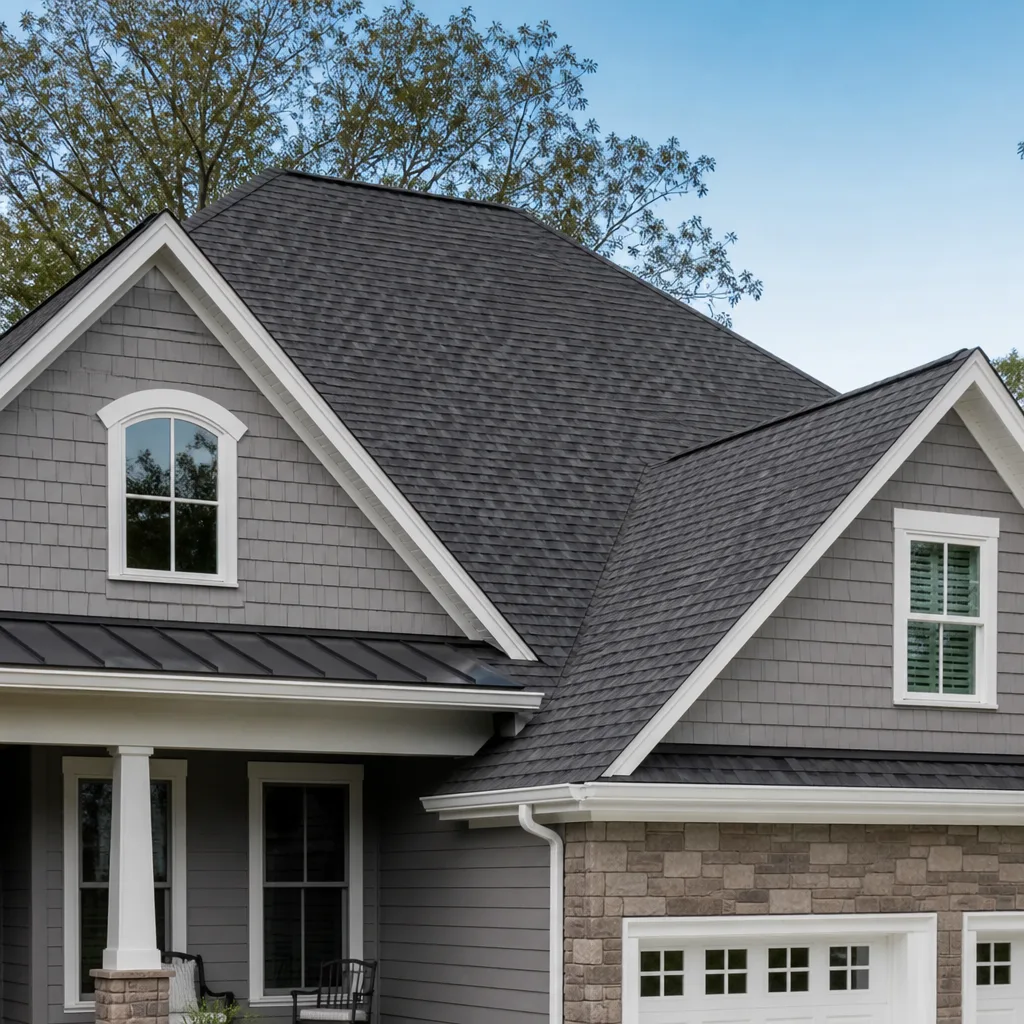 Architectural shingles
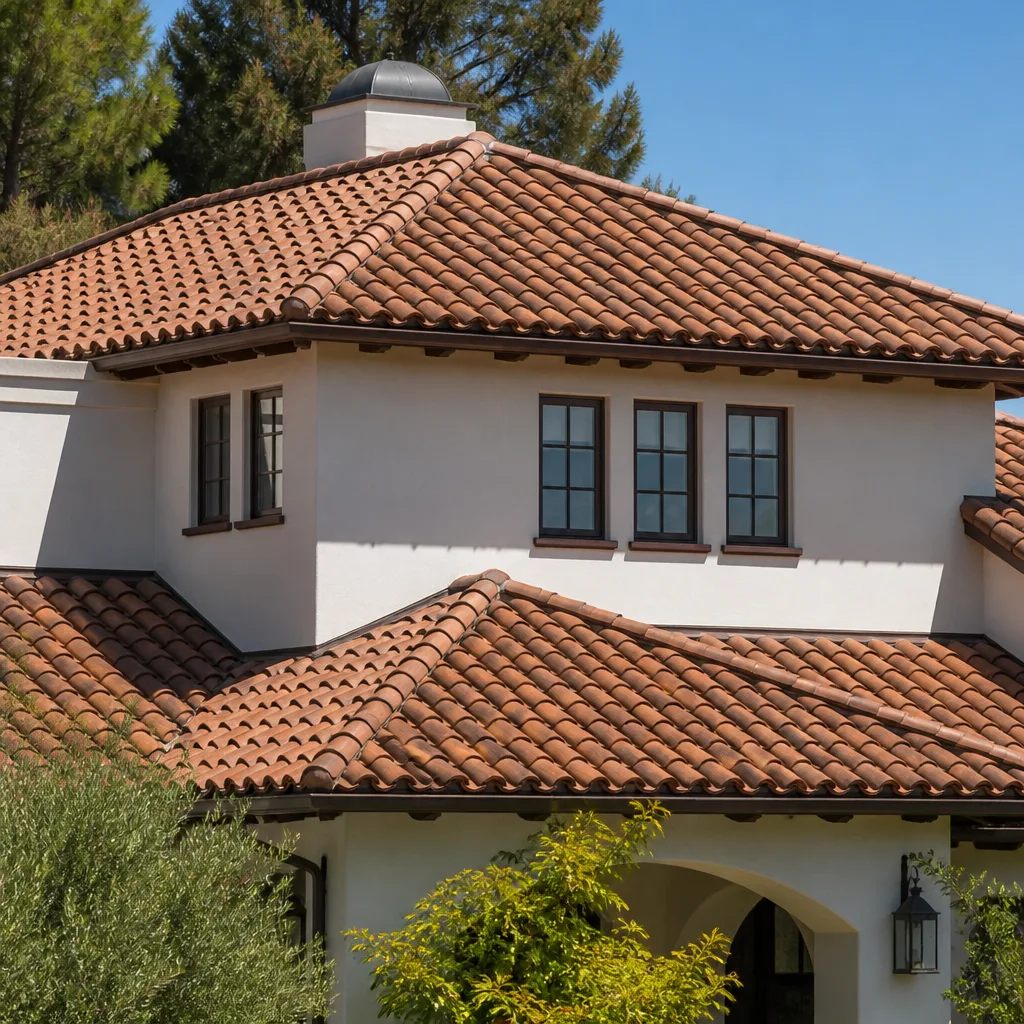 Tile roofing
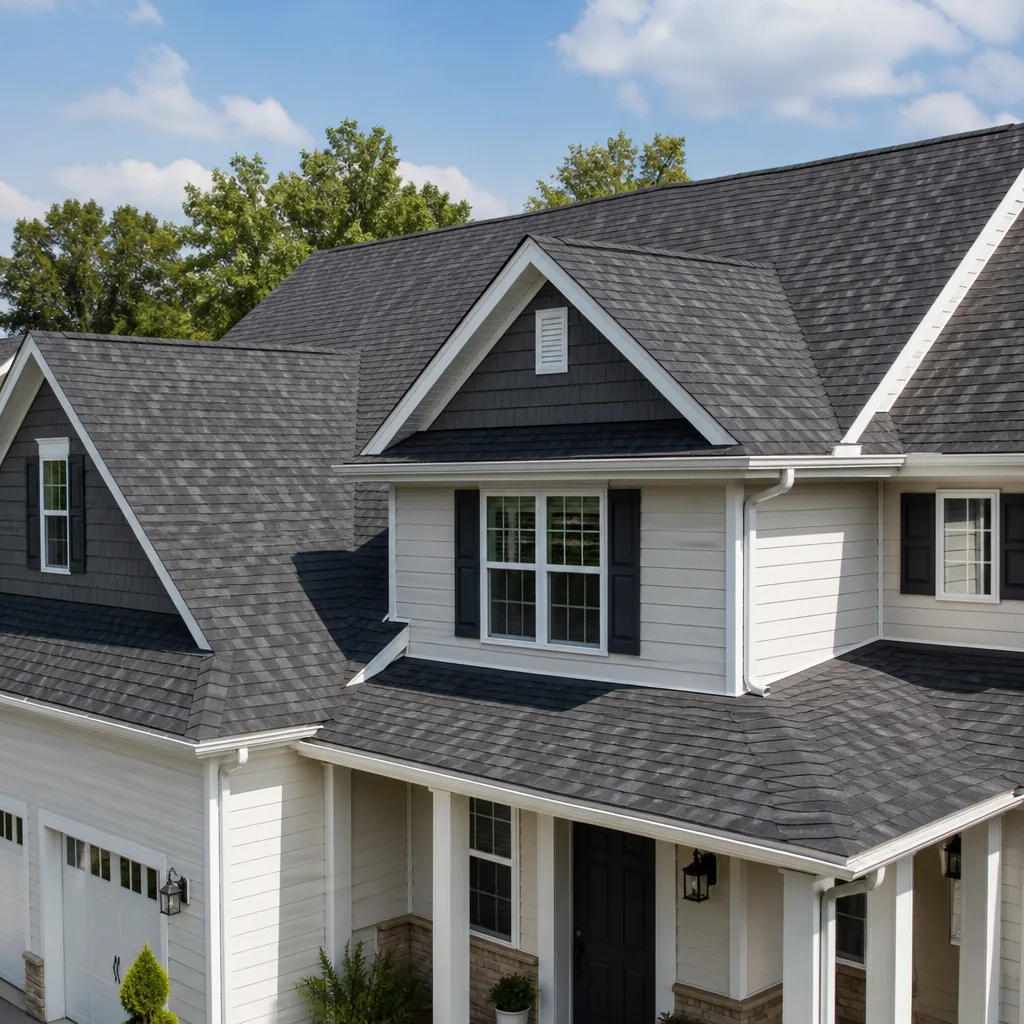 GAF
GAF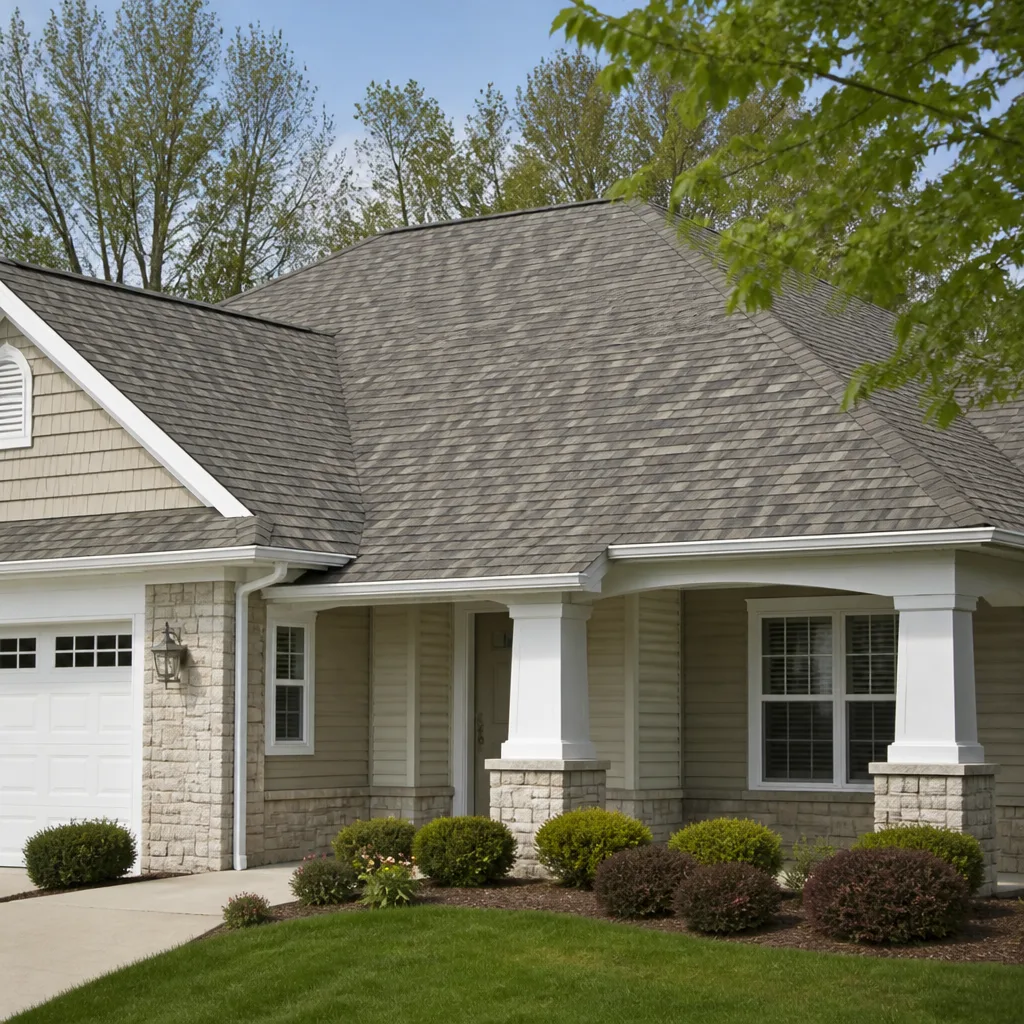 Owens Corning
 Flat & low-slope
Free roof inspection with deck photos before we talk money - GAF and Owens Corning certified installation
Seasonal Roofing Care for Fort Lauderdale: Year-Round Homeowner’s Guide
Here’s the counterintuitive truth about Fort Lauderdale roofs: the most expensive repairs we see are rarely caused by hurricanes. They’re caused by the six weeks of deferred maintenance every spring, when homeowners assume it’s “too early to worry about storm season.” Salt air, UV exposure, and accumulated debris work quietly for months, and by the time the first named storm forms off the coast, small problems have become structural ones. This guide walks you through what to do, when to do it, and what it should cost in Fort Lauderdale, so you’re never guessing about the condition of the roof over your head. For a deeper dive, see our Complete Guide to Roofing in Fort Lauderdale.
Styles & brands we work with
Quick Answer
Seasonal roof maintenance in Fort Lauderdale means timing your inspections and repairs around two distinct weather periods: the dry season (November through April) and the rainy season (May through October). The most important window is April 1 through May 15, when you should complete a full roof inspection, clear debris, and make any repairs before daily thunderstorms and hurricane threats arrive. A typical seasonal maintenance visit in Fort Lauderdale runs $150 to $400 for inspection plus minor repairs, while larger issues caught early cost far less than post-storm emergency work.
Table of Contents
- The Dry Season (November – April): Salt, Sun, and Silent Damage
- The Pre-Rainy Season Window (April 1 – May 15): The Most Important Six Weeks
- Hurricane Season Posture (June – November): What to Check After Every Storm
- Post-Season Recovery (October – November): Finding Slow Damage Before It Finds You
- Your 12-Month Fort Lauderdale Roof Care Calendar
- What Seasonal Roof Maintenance Costs in Fort Lauderdale
- Materials That Hold Up in a Coastal Climate
- Common Mistakes to Avoid
- When to Call a Professional
- Frequently Asked Questions
- The Bottom Line
The Dry Season (November – April): Salt, Sun, and Silent Damage
Fort Lauderdale doesn’t get a winter. What we get instead is a long stretch of bright sun, lower humidity, and a steady east wind that carries salt off the Atlantic. Homeowners often assume the dry season is the “safe” time for a roof, and in one sense that’s true: you’re not fighting daily downpours. But the dry season is when the damage happens, not when it shows up.
Roof sealants, the caulking and adhesives around vents, pipes, skylights, and flashing, cure and crack faster in constant UV exposure than in any other climate. Salt air accelerates corrosion on metal flashing, drip edges, and fasteners. When there’s no rain to wash debris off the roof, leaves and twigs accumulate in valleys and behind chimneys, trapping moisture against the surface for weeks at a time. By March, a roof that looked fine in September may have dozens of small failures that just haven’t leaked yet.
Here’s what we look for during a dry-season inspection in Fort Lauderdale:
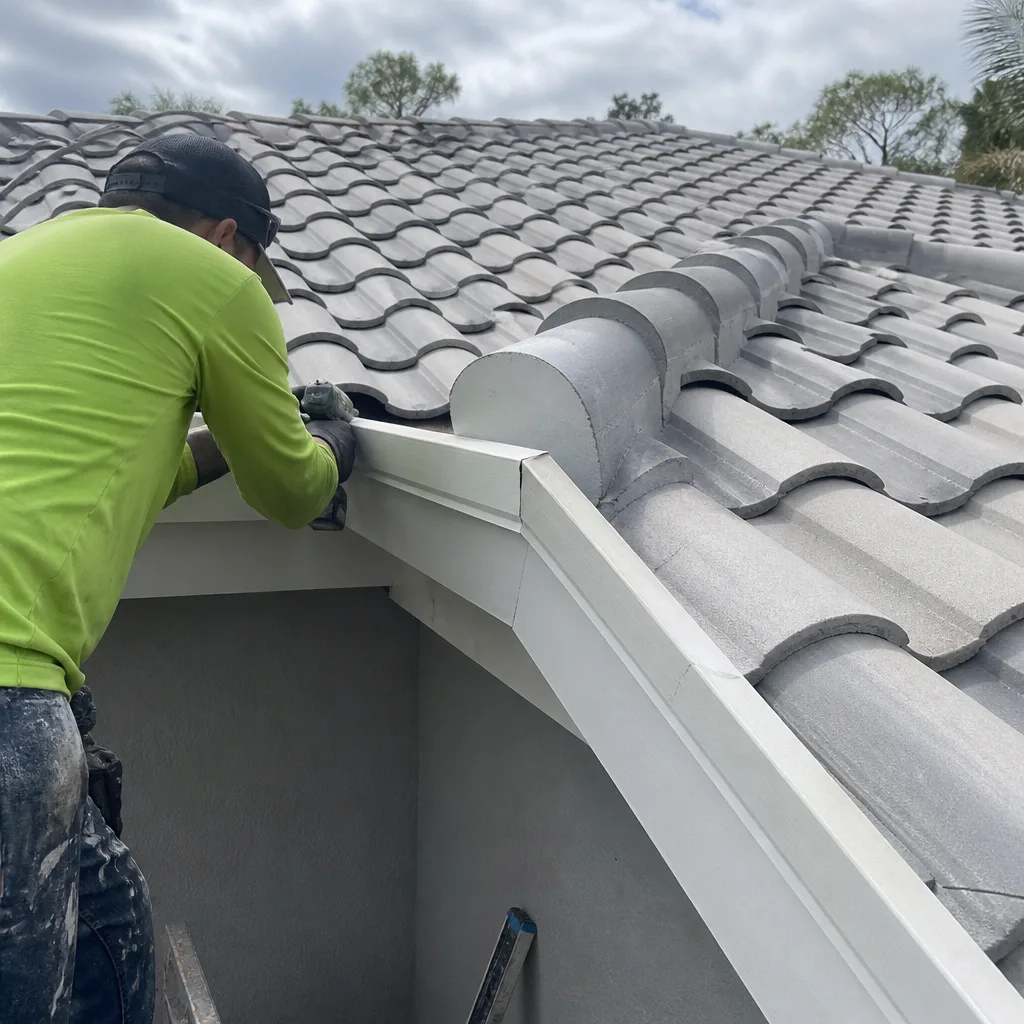
- Ridge cap deterioration: The ridge cap is the row of shingles or tiles along the peak of your roof. It takes direct sun at the worst angle and is often the first place sealant fails. Cracked or lifting ridge cap shingles let water into the attic during the first summer storm.
- Flashing corrosion: Flashing is the metal that seals the joints where your roof meets a wall, chimney, or skylight. In Fort Lauderdale’s salt air, aluminum flashing lasts longer than galvanized steel, but both need checking for rust and separation.
- Vent boot cracks: The rubber boot around plumbing vents bakes under the Florida sun and splits, often within three to five years. This is a $15 part that causes a $500 repair when it fails during a storm.
- Debris in valleys: The valley is where two roof slopes meet. Debris collects there and holds moisture against shingles, causing premature granule loss and eventually rot in the decking beneath.
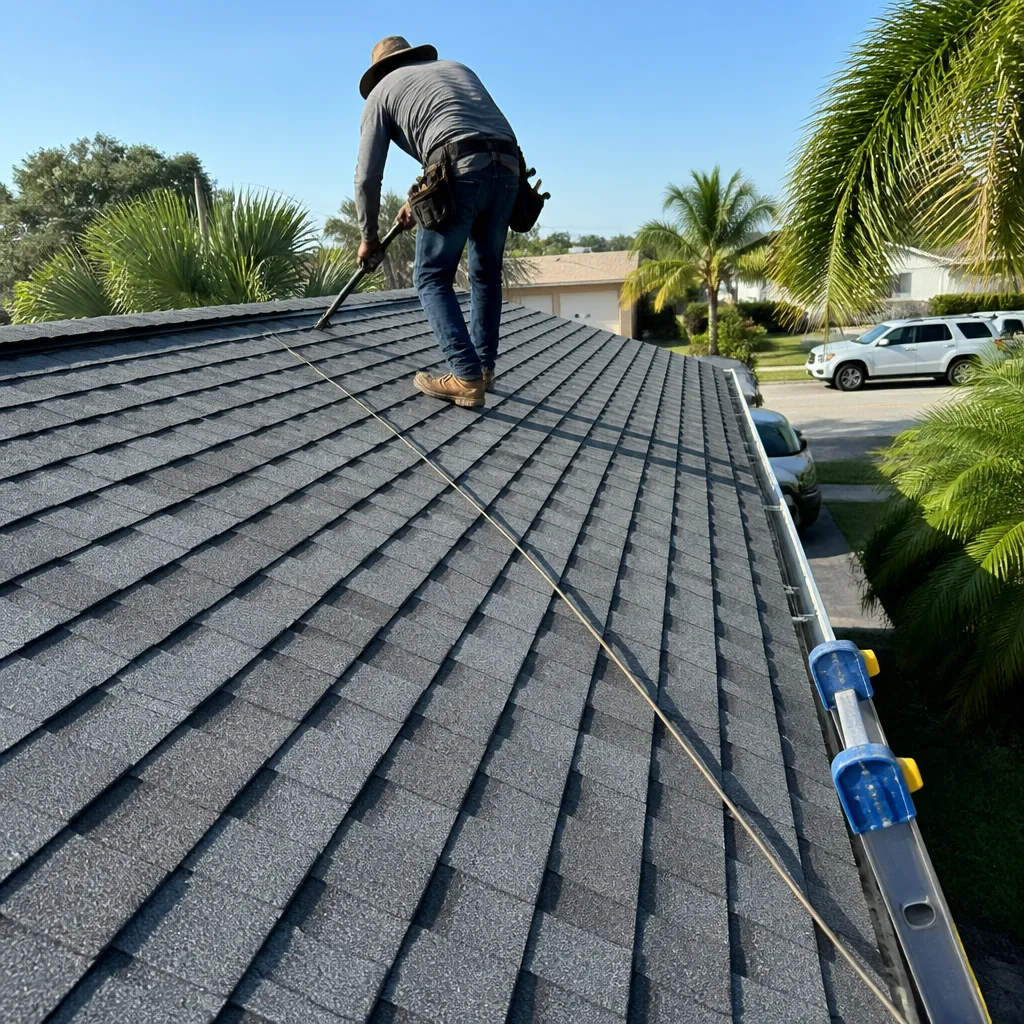
The most ignored dry-season task is a simple one: removing debris. A roof surface that’s covered in leaves and twigs can’t dry properly, and trapped moisture plus heat equals accelerated decay. If you’re comfortable on a ladder, you can clear gutters and visible debris yourself. If you’d rather not go up, roof repair in Fort Lauderdale starts with a basic cleaning and inspection, and most companies include it as part of a maintenance visit.
The Pre-Rainy Season Window (April 1 – May 15): The Most Important Six Weeks
If you do one thing for your roof this year, do it between April 1 and May 15. That six-week window is when the dry season is ending, the rainy season hasn’t started, and the weather is still predictable enough for a thorough inspection and any necessary repairs. Miss it, and you’re either working on a wet roof or waiting until October.
Here’s why this window matters so much in Fort Lauderdale specifically. Once the rainy season starts in mid-May, the daily afternoon thunderstorms begin. They arrive fast, drop an inch or two of rain in under an hour, and then vanish. A roof that has any gap in its sealants, any cracked shingle, any separated flashing will leak during those storms, and the damage compounds with every event. By June, when the tropical systems start forming, the leak that would have been a $200 fix in April is now a $1,200 emergency repair and possibly some drywall work inside.
Your pre-rainy season checklist should include:
- Full visual inspection of shingles, tiles, flashing, ridge caps, and all penetrations (vents, pipes, skylights, chimneys).
- Gutter and downspout cleaning with a check for proper drainage away from the foundation. Fort Lauderdale’s high water table means standing water near the house becomes a problem fast.
- Sealant repair and replacement around every flashing point. This is inexpensive and is the single best defense against rainy-season leaks.
- Attic inspection for signs of past leaks, poor ventilation, or condensation. A hot, poorly vented attic bakes shingles from underneath and shortens their life.
- Debris removal from valleys, behind chimneys, and around skylights.
The cost for this work varies, but a typical pre-rainy season tune-up in Fort Lauderdale runs $200 to $500, depending on what needs sealing and how much debris is present. It’s the cheapest insurance you’ll buy all year. At Tilehurst Roofing, we put the written price in your hands before any work starts, and the written guarantee arrives before the crew leaves, not mailed later.
Hurricane Season Posture (June – November): What to Check After Every Storm
June through November is hurricane season, but the reality in Fort Lauderdale is that we get more roof damage from ordinary severe thunderstorms than from named storms. The named storms get the news coverage; the daily lightning storms do the cumulative damage. Your inspection routine during this period should be tiered.
After a standard heavy-rain event: check ceilings and attic spaces for water stains, especially around skylights, vents, and the chimney. Look for missing granules in gutters, which indicate shingle wear. Walk the yard and look for pieces of shingle, tile, or flashing that may have blown off. Most of these small failures show up as stains or debris before they become visible leaks.
After a named storm or hurricane: do a more careful inspection. Look for lifted shingles (you’ll notice a slight upturn at the edges when viewed from the ground), dents in metal flashing from flying debris, and any separation where the roof meets walls or chimneys. If you have tile, check for cracked or shifted tiles, especially at the eaves. If you see any of these, take photos immediately for your insurance company, then call a professional.
One point that gets overlooked: during the active season, a small leak is not a reason to panic, but it is a reason to act. A leak that’s “just a stain” today will be mold in the decking within weeks in Fort Lauderdale’s humidity. The faster you address it, the smaller the repair. Our crews at Tilehurst Roofing answer the phone live, 24/7, which means when you call about a leak on a Sunday afternoon in July, a person answers and schedules a visit. No voicemail, no callback queue, no waiting until Monday.
Inspection intervals during hurricane season
- June through August: Inspect after any storm that drops more than two inches of rain or produces wind gusts over 40 mph.
- September through October: Inspect after every named storm, regardless of distance from Fort Lauderdale, since outer bands can produce significant rain and wind.
- Anytime: Inspect immediately if you hear something hit the roof, see shingles in the yard, or notice a new water stain inside.
Post-Season Recovery (October – November): Finding Slow Damage Before It Finds You
When hurricane season officially ends on November 30, Fort Lauderdale homeowners tend to exhale and forget about the roof for a few months. That’s a mistake. The post-season period is when slow-developing damage becomes visible, and catching it in November means fixing it during the dry season, when repairs are easiest and cheapest.
What do we mean by slow-developing damage? Consider this common sequence: a shingle gets lifted slightly during a July thunderstorm. It doesn’t leak immediately because the underlayment, the water-resistant barrier beneath the shingles, is still intact. Over the next three months, sun and rain degrade the exposed underside of that shingle and the underlayment beneath it. By November, the underlayment has failed, and the first heavy dry-season rain reveals a leak. The homeowner thinks the problem started in November. It started in July.
Post-season inspection should focus on:
- Underlayment condition: If any shingles or tiles are lifted, cracked, or missing, the underlayment may be compromised even if the roof isn’t actively leaking.
- Fastener corrosion: Salt air works on nails and screws all season, especially near the eaves and on metal roofing components.
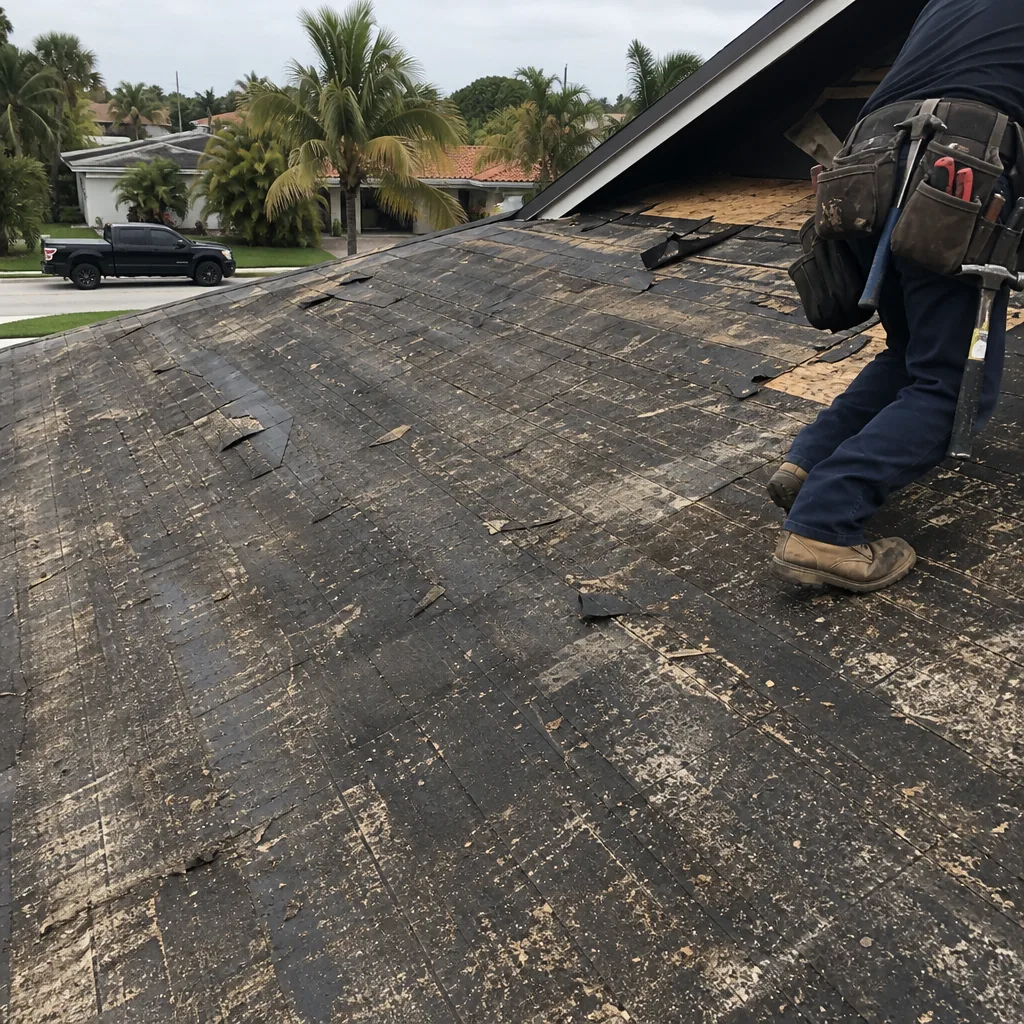
- Decking condition: The decking is the wood surface beneath the shingles. Soft spots, sagging, or visible water stains in the attic indicate decking damage.
- Mold and mildew: Fort Lauderdale’s humidity means any trapped moisture in the attic or on the decking will grow mold quickly. It’s often the first visible sign of a slow leak.
One thing we tell every roofing company in Fort Lauderdale customer: if a repair fails inside the guarantee period, call us. We return at no charge under our 365-Day Done Right Promise. That policy exists because we’d rather fix a small problem at no cost than let it become a big problem at yours.
Your 12-Month Fort Lauderdale Roof Care Calendar
Generic national advice tells you to “inspect your roof in the spring and fall.” That advice is written for people who have snow and freezing temperatures. Fort Lauderdale has its own rhythm, and your maintenance calendar should follow it. Here’s what to do, month by month.
- January – February: Dry-season inspection for salt corrosion, UV damage, and debris accumulation. This is a good time for sealant replacement since the weather is reliably dry.
- March: Schedule the full pre-rainy season tune-up. Don’t wait until May, when every roofing company is booked and prices are higher.
- April 1 – May 15: Complete all repairs, sealant work, and debris removal. This is the non-negotiable window.
- May – June: First storms arrive. Inspect after any heavy rain event. Watch for leaks around vents and skylights.
- July – September: Peak hurricane season. Inspect after every named storm and any severe thunderstorm. Keep gutters clear, since afternoon storms can drop an inch of rain in 30 minutes.
- October – November: Post-season inspection for slow-developing damage. Schedule any repairs to be completed during the dry season.
- December: Calm before the cycle repeats. Verify all sealant and flashing held up during the season, address anything that didn’t.
This calendar assumes you’re staying on top of a roof that’s in reasonable condition. If you’ve had a roof replacement in the last five years, your inspection needs are lighter but not zero. No roof in Fort Lauderdale is maintenance-free, no matter what the warranty says.
What Seasonal Roof Maintenance Costs in Fort Lauderdale
Let’s talk real numbers, because a homeowner deserves to know the price before they pick up the phone. Seasonal roof maintenance in Fort Lauderdale varies by roof type, size, and what needs attention, but here are typical ranges for our service area.
| Service | Typical Cost (Fort Lauderdale) |
|---|---|
| Basic inspection + gutter cleaning | $150 – $300 |
| Full sealant replacement (vents, flashing, pipes) | $200 – $500 |
| Minor shingle repair (a few shingles) | $250 – $600 |
| Ridge cap repair | $300 – $800 |
| Flashing replacement (single location) | $350 – $900 |
| Full tune-up (inspection, sealant, debris, minor repairs) | $400 – $800 |
These numbers reflect typical single-family homes in Fort Lauderdale, which range from modest 1950s ranchers in neighborhoods like Victoria Park to larger two-story homes in Rio Vista or Coral Ridge. Multi-story homes with steep pitches cost more because of the safety equipment and time required.
Tilehurst Roofing operates on the Kingswell Way: say the price before the work, show up in the window we gave, leave the place cleaner than we found it, put the guarantee in writing, and come back if it fails. The written price is in your hands before any work starts, every single time. No change orders at the door, no “we found something extra” surprises.
Materials That Hold Up in a Coastal Climate
Fort Lauderdale’s climate demands specific material choices. We work with seven leading manufacturers so the product fits the home, not just what happens to be in the truck. When you’re selecting materials for a repair or roof replacement in Fort Lauderdale, here’s what matters.
Asphalt shingles: GAF, CertainTeed, and Owens Corning all make shingles rated for high wind and impact resistance, which matters during hurricane season. Look for Class H or Class F wind ratings, which handle sustained winds over 150 mph. These manufacturers also offer algae-resistant granules, which helps with the mildew growth common in Florida humidity.
Clay and concrete tile: Boral produces tile that holds up exceptionally well to salt air and UV exposure, and tile is highly resistant to hurricane wind when properly installed. Tile roofs are common in older Fort Lauderdale neighborhoods and perform well, but they require regular inspection of the underlayment beneath the tile, which does wear out.
Metal roofing: If you’re considering metal, look for aluminum or a properly coated steel. Bare galvanized steel corrodes quickly in Fort Lauderdale’s salt air. A quality metal roof with the right coating can last 40 to 60 years here, but the fasteners and flashings need the same seasonal attention as any other roof.
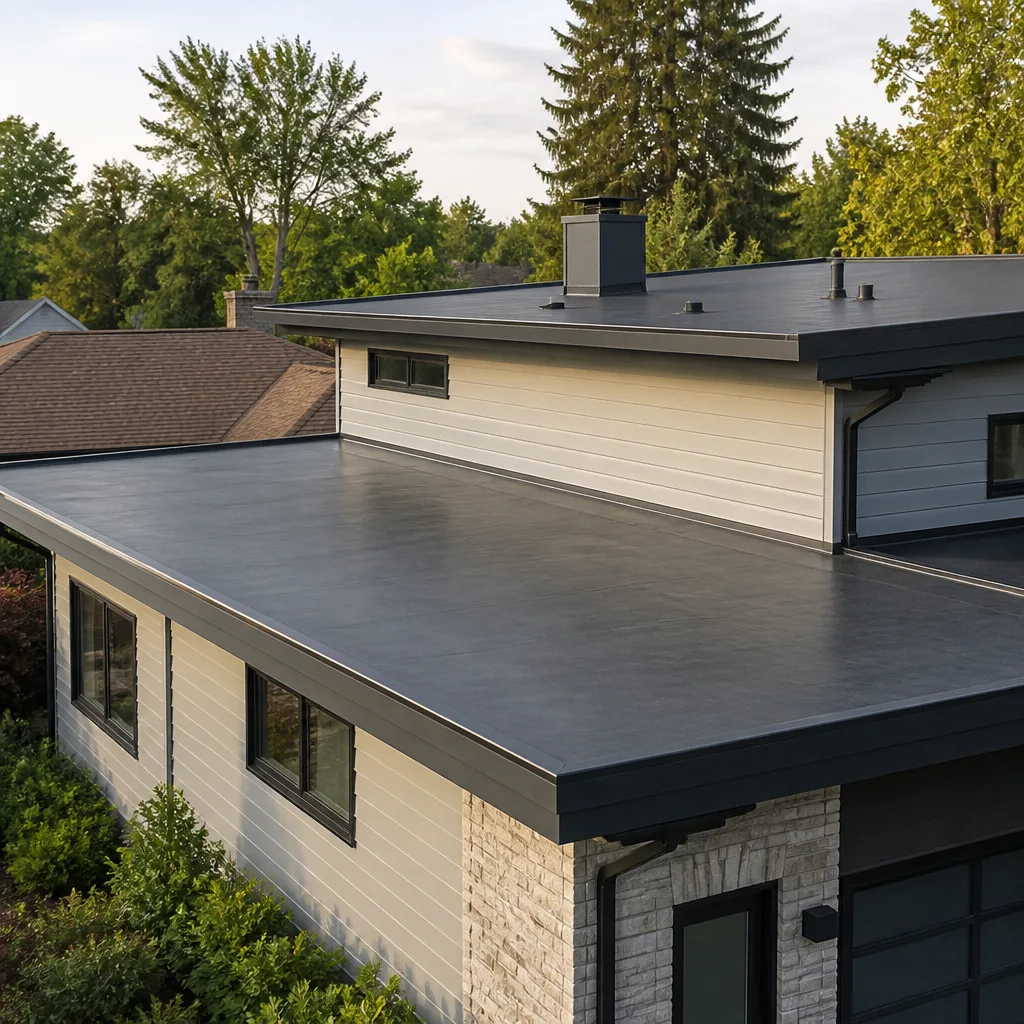
The right material for your home depends on your roof’s pitch, your budget, and your home’s architecture. A steeply pitched roof handles water and wind better than a low-slope roof, but it costs more to work on. A flat or low-slope roof common on mid-century Fort Lauderdale homes needs different materials entirely, typically modified bitumen or a specialized membrane.
If you’re unsure what’s on your roof now, a basic inspection will tell you, along with how much life it has left. That information is free when you schedule a maintenance visit with us, and the written quote that follows is yours to keep, whether or not you book the work.
Common Mistakes to Avoid
We’ve seen every roofing mistake a Fort Lauderdale homeowner can make, and most of them are timing mistakes, not material mistakes. Here’s what to avoid.
- Waiting until the first leak to do maintenance: By the time water is staining your ceiling, the damage has been progressing for weeks or months. The repair will be larger and more expensive than the maintenance that would have prevented it.
- Skipping the April window: This is the single most expensive mistake we see. Homeowners put off the April inspection, thinking they’ll do it in June, and then the daily thunderstorms start. Working on a wet roof is dangerous and inefficient, and prices rise with demand.
- Ignoring granules in the gutter: Granules are the sand-like coating on asphalt shingles that protect them from UV damage. If you’re seeing granules in your gutters every time you clean them, your shingles are wearing out and losing their protective layer.
- Treating a small leak as a minor cosmetic issue: In Fort Lauderdale’s humidity, a small leak means mold in the attic within weeks. Mold remediation costs far more than the roof repair.
- Assuming a new roof means no maintenance needed: Even a brand-new roof needs seasonal inspection. Warranties cover manufacturing defects, not storm damage or age-related wear. An annual inspection is often required to keep the warranty valid.
- Using a company that doesn’t put the price in writing before work starts: If a contractor won’t give you a written price before touching your roof, find a different contractor. That’s not how the trade is supposed to work.
- Climbing onto a steep roof without safety equipment: Fort Lauderdale roofs are often steeper than they look, and wet tile or shingles are extremely slippery. If you’re not comfortable with heights and proper safety gear, call someone who is. A fall costs more than an inspection.
When to Call a Professional
There are jobs a homeowner can reasonably do, like cleaning gutters from a stable ladder or visually inspecting the roof from the ground with binoculars. Then there are jobs that call for a professional. You should call a roofing contractor if you see water stains on ceilings or walls, missing or lifted shingles, cracked tiles, separated flashing, or any sign of sagging in the roofline. Also call if you haven’t had an inspection in over a year and storm season is approaching.
Working on a roof in Fort Lauderdale means dealing with heat, steep pitches, and tile or metal surfaces that get slick with morning dew. It’s not worth the risk or the potential to make a small problem worse. Tilehurst Roofing Fort Lauderdale home offers free estimates in Fort Lauderdale, so you can get an expert assessment and a written price without any commitment. Call (754) 732-9325 and a live person will answer, any hour, any day.
Frequently Asked Questions
Twice a year is the minimum in Fort Lauderdale: once in March or early April before the rainy season, and once in October or November after hurricane season ends. Homes with mature trees or older roofs (15+ years) benefit from a third inspection after any named storm passes nearby. Call (754) 732-9325 to schedule a free inspection.
Most homeowners in Fort Lauderdale pay between $150 and $500 for a seasonal maintenance visit, depending on the roof size and how much sealant work is needed. A full tune-up with minor repairs typically runs $400 to $800. The written price is in your hands before any work starts.
Complete a full roof inspection and sealant replacement during the April 1 – May 15 window. That means checking every flashing point, vent boot, and ridge cap for cracks or separation, and fixing them before the daily thunderstorms begin. It’s the cheapest way to prevent hurricane-season leaks.
No. Homeowners insurance covers sudden and accidental damage, like a tree falling on your roof or wind lifting shingles during a storm. It does not cover routine maintenance, sealant replacement, or damage caused by deferred maintenance. That’s why the April inspection is so cost-effective.
Salt-air damage shows up as rust on flashing, nail heads, and metal components, often within a few miles of the coast in Fort Lauderdale. You may see reddish-brown staining on metal flashing or white crusty deposits on fasteners. If you live east of Federal Highway, you’re in the highest salt-exposure zone and should inspect more frequently.
Every Tilehurst Roofing repair is covered by a written guarantee delivered before the crew leaves, and if a repair fails inside the guarantee period, we return at no charge under our 365-Day Done Right Promise. That’s a full year of documented accountability on every job. Call (754) 732-9325 for details on your specific roof.
The Bottom Line
Fort Lauderdale’s roof care calendar is built around two seasons: the dry season when damage accumulates quietly, and the rainy season when that damage reveals itself. The window between them, April 1 through May 15, is when your maintenance dollar goes furthest. A seasonal inspection and tune-up in that window typically costs $200 to $500 and prevents emergency repairs that cost five times as much. If you’ve been putting off roof maintenance because it’s “not storm season yet,” the best time to start is now. Get the written price, check it against the numbers in this guide, and make a decision with clear information. Then explore more guides & resources for year-round roof care.
Call (754) 732-9325 and schedule your free estimate. A live person will answer, day or night. We’ll inspect the roof, explain what we find in plain language, and put the price in writing before any work starts.
Written by Greg Holloway, Owner at Tilehurst Roofing Fort Lauderdale, serving Fort Lauderdale since 2000.
See the difference
 Before
 After
After Before
 After
After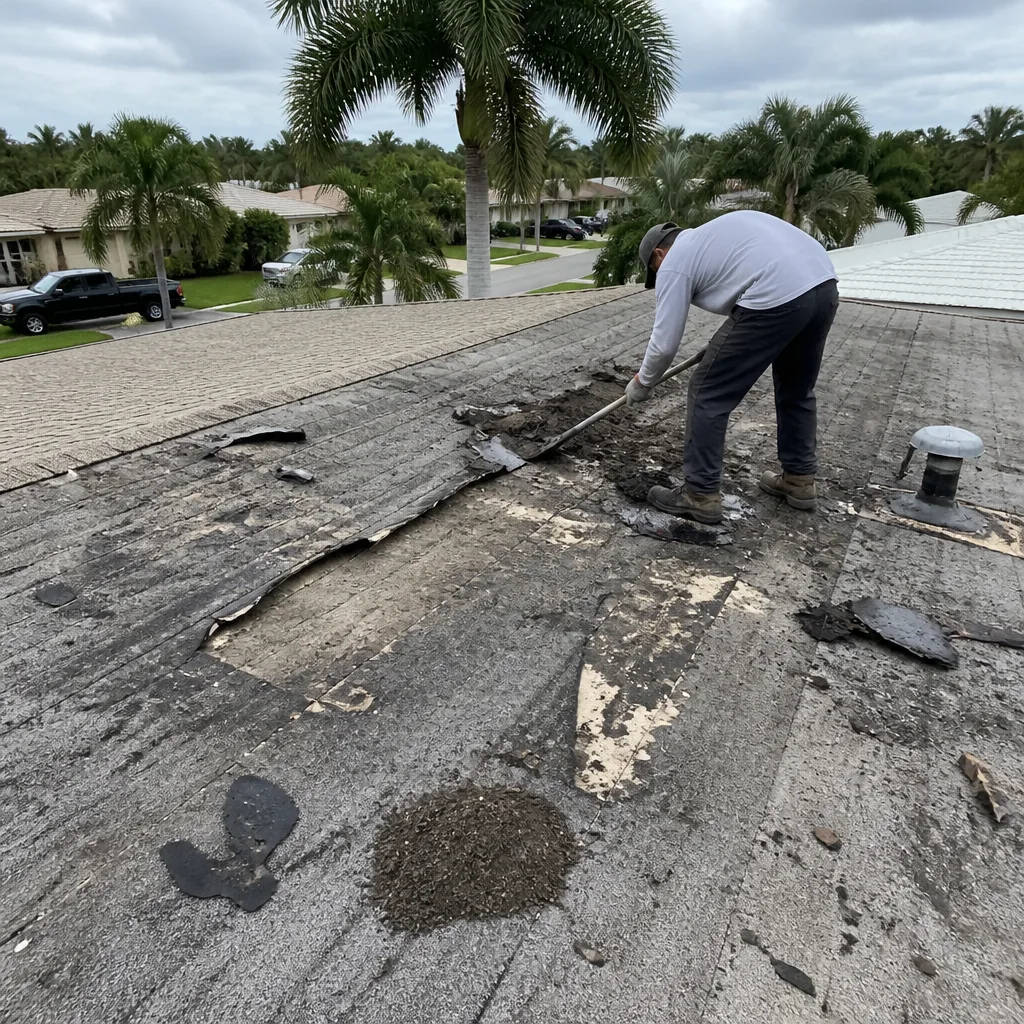 Before
 After
After