
Last updated October 17, 2026
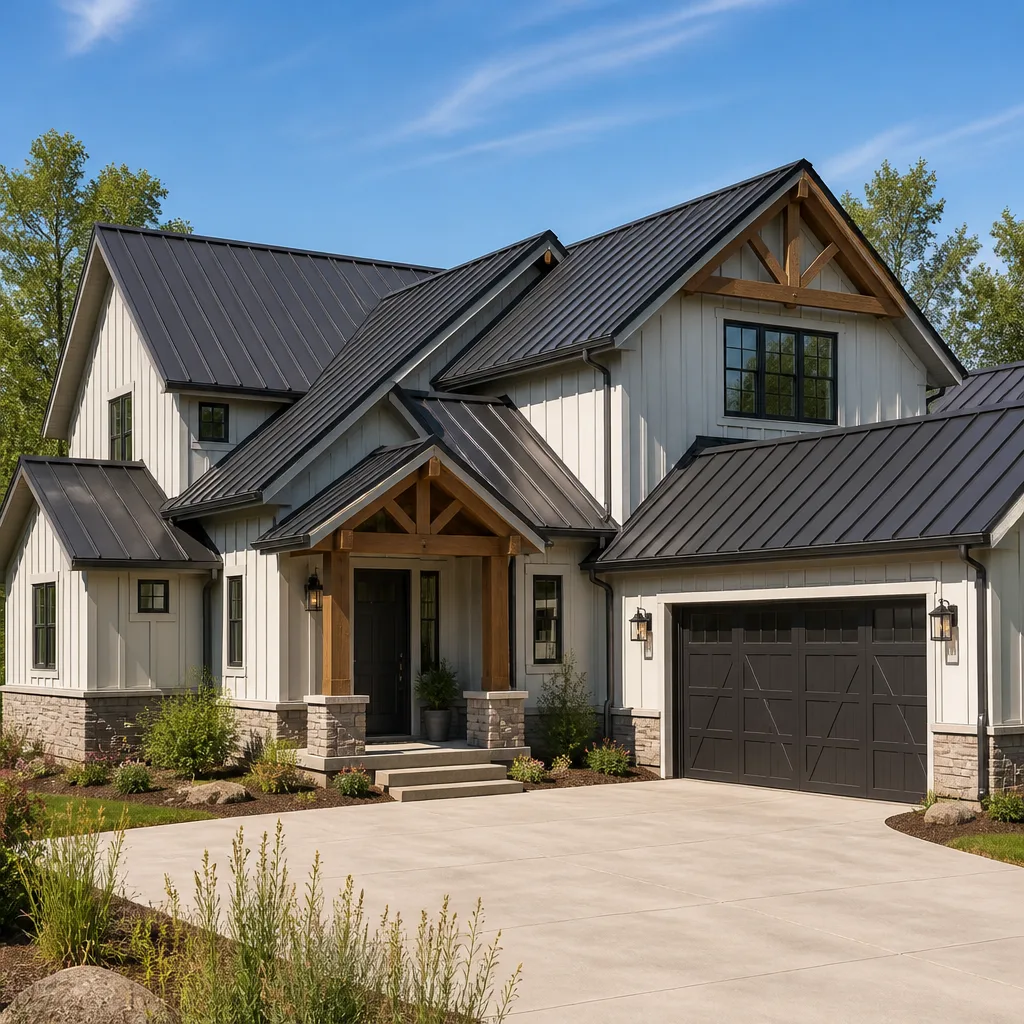 Metal roofing
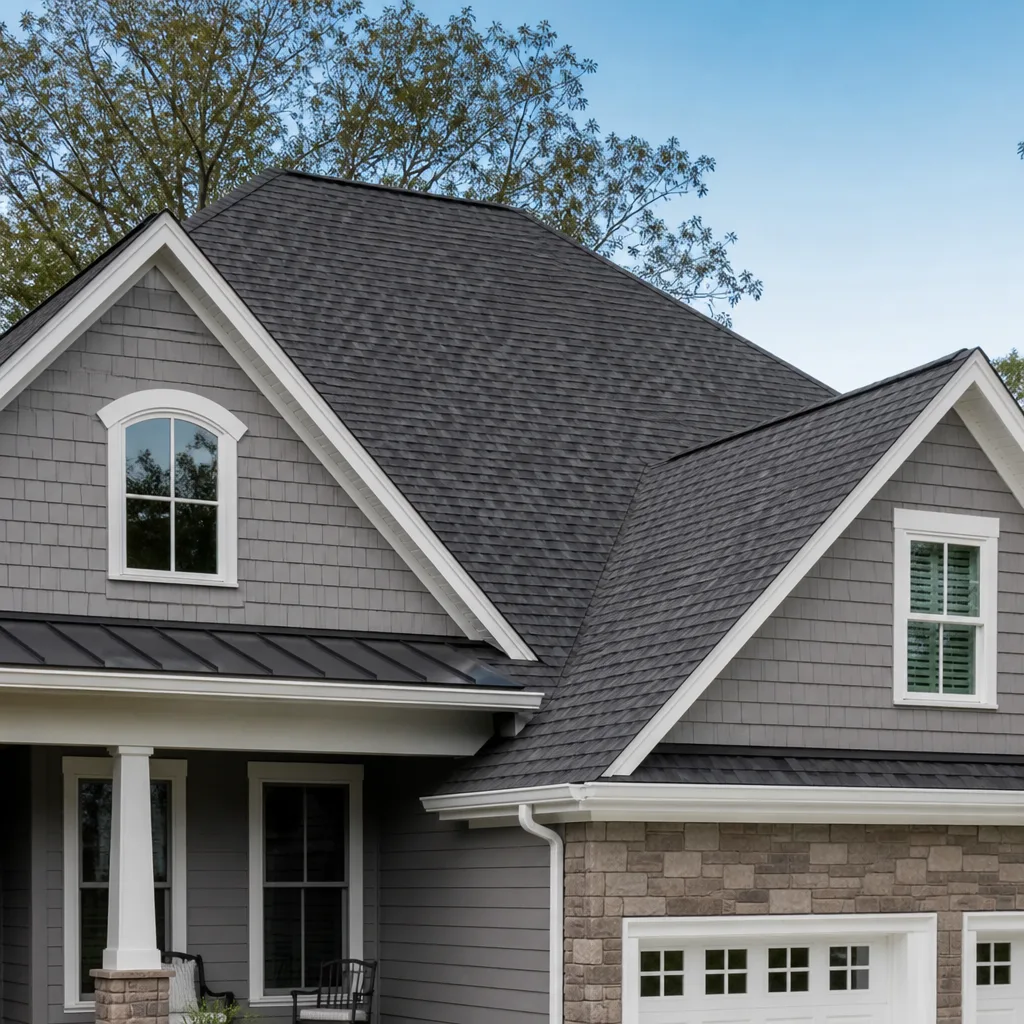 Architectural shingles
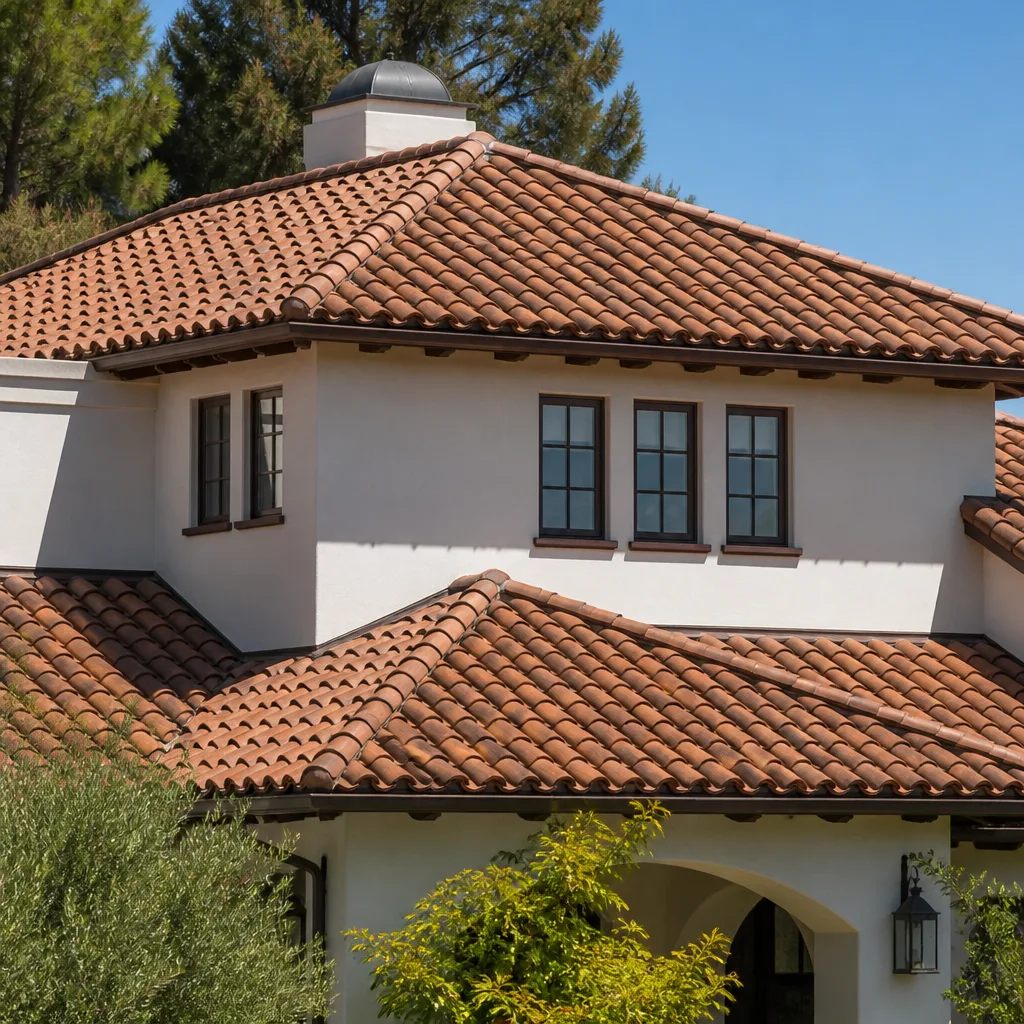 Tile roofing
 GAF
GAF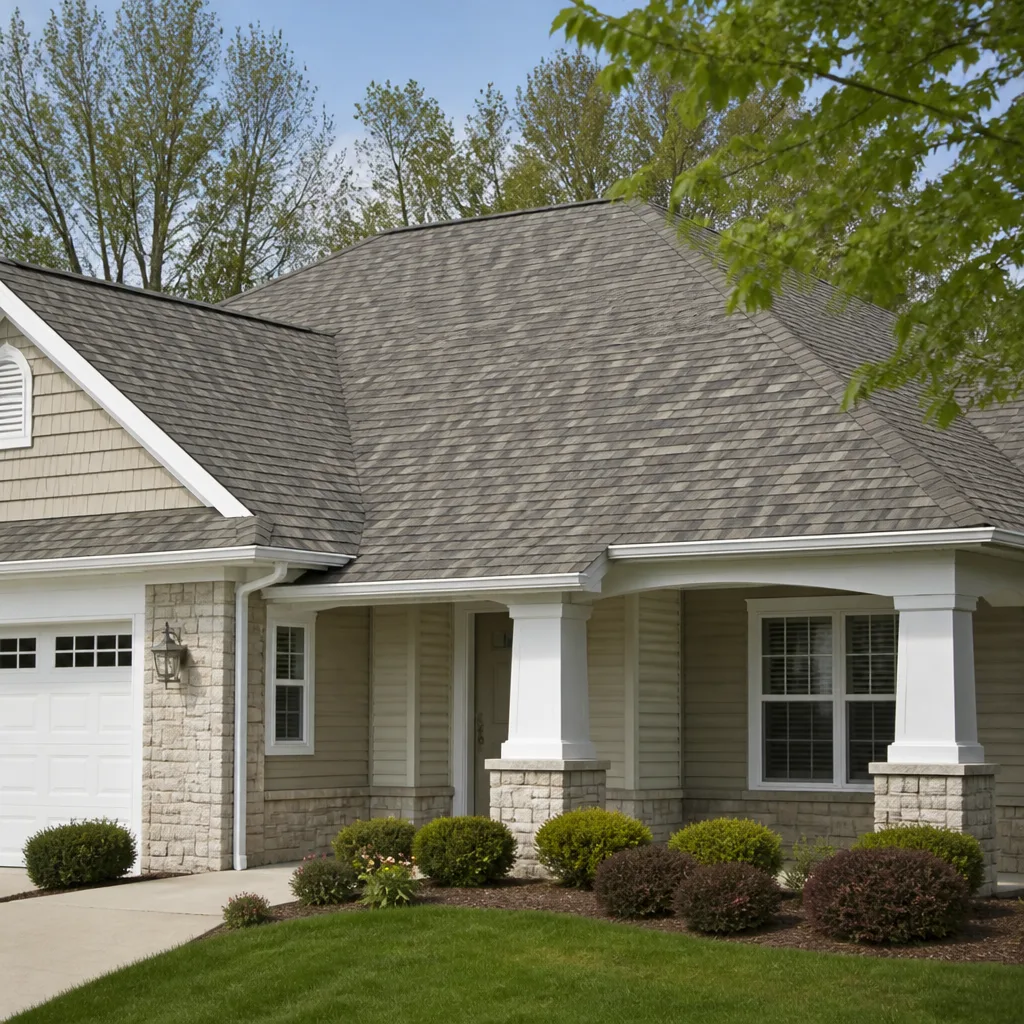 Owens Corning
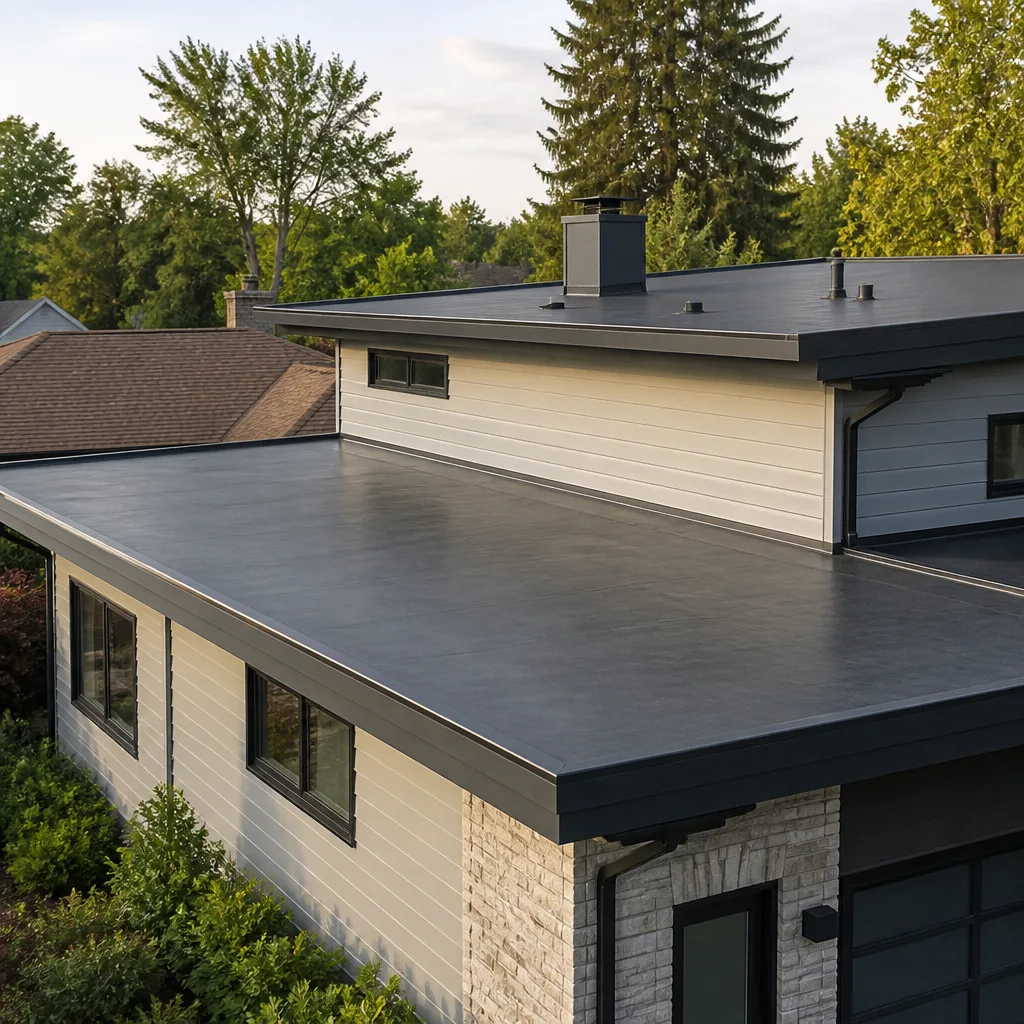 Flat & low-slope
Free roof inspection with deck photos before we talk money - GAF and Owens Corning certified installation
How to Hire a Roofing Contractor in Fort Lauderdale: A Step-by-Step Guide
After Hurricane Ian tore through Florida, the state’s Department of Business and Professional Regulation fielded more roofing fraud complaints than any other contractor category, and most victims we’ve spoken with in Fort Lauderdale said the same thing: “I checked the license before I signed.” Checking a license is the bare minimum, not the finish line. This guide gives you a repeatable vetting process that filters out storm chasers and price-switchers before they ever step foot on your property, and you can find more guides & resources on our blog to protect your home. You’ll learn exactly what to verify, what to demand in writing, and which red flags send a contractor packing in Broward County.
Quick Answer
To hire a roofing contractor in Fort Lauderdale, verify they hold a Florida Certified Roofing Contractor (CCC) license, pull their complaint history from the Florida DBPR website, demand a written scope of work with five specific line items, and confirm the workmanship warranty is documented by the company in writing before any work begins. A legitimate Fort Lauderdale roofer will hand you a written price before touching your roof and never change that number between the estimate and the inspection.
Styles & brands we work with
Table of Contents
- The License Type That Actually Matters in Broward County
- How to Pull a Contractor’s Complaint History in Under Three Minutes
- Why the Written Scope of Work Matters More Than the Quote
- The Price at the Door Test: Red Flags Before the Inspection
- What a Legitimate Workmanship Warranty Looks Like in Writing
- Insurance, Bonds, and the Documents You Should See Before Signing
- Fort Lauderdale Specifics: Wind Codes, Climate, and Material Choices
- The Full Hiring Process: A Step-by-Step Walkthrough
The License Type That Actually Matters in Broward County
Florida issues two roofing contractor licenses, and knowing the difference can save you from hiring someone who legally cannot pull a permit for your job. A Florida Certified Roofing Contractor (CCC) passed the state exam and can work anywhere in Florida, including all of Broward County. A Registered contractor, by contrast, only holds a local license tied to a specific municipality or county. If a storm chaser from Orlando shows up in Fort Lauderdale with a Registered license from Orange County, that license means nothing here.
Ask the contractor directly: “Are you a Certified or Registered contractor?” Then verify the answer yourself. Write down the license number from their business card or truck and run it through the Florida DBPR license lookup portal. The entry should say “Certified Roofing Contractor” with the license status showing “Current, Active.” Anything less, and you should walk away before the ladder comes off the truck.
Broward County enforces Florida Building Code requirements, including the High Velocity Hurricane Zone provisions that apply to coastal areas of Fort Lauderdale specifically. A contractor who works regularly in Fort Lauderdale will know these wind load requirements without blinking. A contractor who pauses when you ask about HVHZ compliance is telling you something useful.
At Tilehurst Roofing Fort Lauderdale, every job begins with a licensed, insured team and a written price before any work starts. Greg Holloway and the team operate under the Kingswell Guarantee, which means the license check is the starting point, not the selling point.
What to Verify on the License
- License type: Must say “Certified Roofing Contractor” (CCC) for Broward County work.
- Status: “Current, Active” only. Suspended or probationary status is a stop sign.
- Name match: The license holder’s name should match the person or company on the contract.
- Insurance: Florida requires roofing contractors to carry workers’ compensation and general liability. Ask for the certificate of insurance and call the carrier to confirm the policy is active.
How to Pull a Contractor’s Complaint History in Under Three Minutes
The Florida DBPR complaint lookup takes less time than ordering a coffee. Go to the DBPR website, click “Verify a License,” enter the contractor’s name or license number, and scroll to the complaint section. You’ll see filed complaints, their resolution status, and whether any disciplinary action was taken. This is public record, and any roofer who bristles at you checking it has already told you something about how they operate.
A single unresolved complaint doesn’t automatically disqualify a contractor. Disputes happen. What matters is the pattern. One complaint about a miscommunication on trim color, resolved with no disciplinary action, is very different from three complaints about incomplete work, payment disputes, or unpermitted installations that remain open. In Fort Lauderdale, where post-storm roofing work spikes every hurricane season, the complaint history often separates the established local companies from the storm chasers who arrive the week after a hurricane and vanish the week after the deposit clears.
Here’s the process in three steps:
- Navigate to the Florida DBPR license verification page.
- Enter the contractor’s license number or full business name.
- Click the “Complaints” tab and read the resolution status for each entry. Look for “Dismissed,” “Closed with Discipline,” or “Open.”
A clean complaint history with a decade of Fort Lauderdale work is a strong signal. A history dotted with open complaints and disciplinary actions is your cue to call the next name on your list. Most homeowners never do this check, which is precisely why bad contractors keep working. Five minutes on the DBPR website protects you more than any online review ever will.
Why the Written Scope of Work Matters More Than the Quote
The quote tells you the number. The scope of work tells you what the number actually buys. In Fort Lauderdale roofing, the scope is the document that protects you when the crew discovers rotted decking, missing drip edge, or improvised flashing from a previous repair. Without a written scope, the contractor has room to reinterpret the job. With one, you both know exactly what happens when the unexpected shows up.
Every legitimate Fort Lauderdale roofing scope of work should include these five line items, in writing, before you sign anything:
- Full removal and disposal of the existing roof, including the specific number of layers to be torn off and where the dumpster will sit.
- Decking inspection and replacement terms, stating the per-sheet price for any damaged plywood or OSB they find once the old shingles come off.
- Underlayment type, brand, and application method, specifying whether it’s synthetic, felt, or peel-and-stick, and whether it meets HVHZ requirements for Fort Lauderdale.
- Flashing and drip edge details, naming every location (chimney, skylight, valleys, wall intersections) where flashing will be replaced, not reused.
- Final cleanup and haul-away procedures, including magnetic nail sweeps, gutter cleaning, and where debris will be disposed of.
A scope with these five items commits the contractor to a defined job. A quote without them commits you to a financial open question. The scope is also where the manufacturer’s material warranty gets named. If the contractor specifies GAF or CertainTeed shingles, the scope should say which line, which color, and which warranty tier. That specificity protects you at the end of the job when the crew packs up and you’re left looking at a roof you need to trust for fifteen or twenty years.
Tilehurst Roofing Fort Lauderdale provides written prices and written scopes before any work begins. We spell out every line item, from the underlayment brand to the final nail sweep, because the price you sign is the price you pay. No change orders, no surprise line items, no “we didn’t know your decking was rotted” conversations after the tear-off.
The Price at the Door Test: Red Flags Before the Inspection
Here’s a test that costs you nothing and tells you almost everything: call a Fort Lauderdale roofer for an estimate and note the number they quote over the phone. When they arrive for the inspection, note the number again. If the price changed between that first call and the ladder touching your roof, the roofer just failed the test, and you should not sign with them.
Contractors who change the number at the door are not negotiating. They’re testing you. They’re seeing whether you’ll push back or whether you’ll sign whatever gets put in front of you because the roof is leaking and it’s August and you need this done. In Fort Lauderdale, where a single summer storm can turn a small leak into a ceiling collapse, the pressure to sign quickly is real, and the storm chasers know it.
A legitimate roofer gives you a written price before any work starts. That price might adjust if the inspection finds something genuinely unexpected, rotted decking, structural issues, code violations from a previous job, but those adjustments should be documented in writing with photos and explained before you’re asked to agree. They should never arrive as a surprise line item on the final invoice.
Ask this question at the inspection: “If you find decking damage, what is the per-sheet replacement cost?” A confident contractor answers immediately. A price-switcher deflects. Ask: “Does the quote include flashing replacement or just shingles?” A contractor planning to hit you with a change order will have a vague answer ready. A contractor planning to do the job right will have a specific one. Fort Lauderdale roofs face relentless sun, salt air, and hurricane-force winds. Every component matters, and every component should be in the written scope.
We’ve seen homeowners in Fort Lauderdale neighborhoods from Victoria Park to Coral Ridge get quoted one number on the phone and a different number at the door, usually with a story about “supply chain surcharges” or “we didn’t realize it was a two-story.” The Kingswell Way at Tilehurst Roofing is simple: say the price before the work, put it in writing, and keep it there. Call Tilehurst Roofing for roof repair in Fort Lauderdale and you’ll get a written price without the door test drama.
What a Legitimate Workmanship Warranty Looks Like in Writing
A verbal promise is not a warranty. A legitimate workmanship warranty is a document, signed by someone with authority at the company, that states exactly what is covered, for how long, and what happens if the work fails. If a Fort Lauderdale roofer tells you “we stand behind our work” but cannot show you the piece of paper that proves it, you don’t have a warranty. You have a sales pitch.
A legitimate workmanship warranty includes these elements:
- Coverage period: A specific number of years, not “lifetime” language that evaporates when you read the fine print.
- What’s covered: Workmanship defects like leaks from installation errors, lifting shingles, improperly sealed flashing, and failed underlayment seams.
- What’s excluded: Damage from storms, foot traffic, alterations made by other contractors, and normal wear. Exclusions are fine; hidden exclusions are not.
- Transfer terms: Whether the warranty transfers to a new owner if you sell the house, and what conditions apply.
- Who backs it: The company’s name, address, and license number. A warranty backed by “the salesperson” is worthless the day that salesperson quits.
Tilehurst Roofing’s 365-Day Done Right Promise covers every repair for a full year. If the repair fails inside that guarantee period, the crew returns to correct it at no charge. This promise is written, delivered before the crew leaves the property, and backed by the Kingswell family of roofing companies, which has operated since 2000. No verbal assurances, no “trust me” handshakes.
Here’s a quick test: ask the roofer to email you a blank copy of their workmanship warranty before you sign the contract. A company that stands behind its work will send it in minutes. A company that doesn’t will suddenly need to “check with the office” and never quite get back to you.
Insurance, Bonds, and the Documents You Should See Before Signing
Roofing is physical work performed at height with tools that can damage property and people. In Fort Lauderdale, where crews work on pitched roofs in high heat and afternoon thunderstorms, the risk is real. You need proof that the contractor’s insurance will cover an accident, not your homeowner’s policy.
Ask for a certificate of insurance (COI) that names your property address as additionally insured. The COI should show general liability coverage of at least $1 million and active workers’ compensation coverage. Call the insurance carrier listed on the certificate and confirm the policy is current. Contractors have been known to let policies lapse while still handing out outdated certificates. A five-minute phone call catches this.
Bonds work differently in Florida than some homeowners assume. A contractor’s license bond protects the state’s interest, not yours. A performance bond, which guarantees the contractor will complete the job per the contract, is rare on residential roofing jobs and typically only appears on large commercial projects. Don’t demand a performance bond for a single-family Fort Lauderdale roof replacement; you’ll either get charged for an unnecessary product or get laughed off the phone. Focus on the insurance certificate, the license, and the written scope. Those three documents do the heavy lifting.
Permits are another insurance of their own. A Fort Lauderdale roof replacement requires a building permit, and the contractor should pull it, not ask you to. The permit triggers municipal inspections at key points in the project, which means a second set of eyes from Broward County independently verifying the work. Any contractor who suggests you can skip the permit to save money is proposing an illegal job, plain and simple. An unpermitted roof in Fort Lauderdale can derail a future home sale, invite code enforcement fines, and give your insurance company grounds to deny a future claim.
Fort Lauderdale Specifics: Wind Codes, Climate, and Material Choices
Fort Lauderdale sits in the High Velocity Hurricane Zone, and the Florida Building Code treats Broward County roofs differently than roofs in Orlando or Tallahassee. Wind uplift ratings, nail patterns, underlayment requirements, and shingle attachment methods all get stricter the closer you get to the coast. A roofer who works mostly inland and occasionally takes a Fort Lauderdale job may not be current on these code chapters. A roofer who works Fort Lauderdale every week has internalized them.
The climate punishes roofs in specific ways. Salt air accelerates corrosion on flashing and fasteners. Intense UV exposure breaks down asphalt shingles faster than the manufacturer’s average lifespan estimates. Afternoon thunderstorms, frequent and violent in summer, test every seam and penetration. Your Fort Lauderdale roofing contractor should be able to explain how these factors influence material selection. Someone who recommends the same shingle for Fort Lauderdale and Ocala isn’t thinking hard enough about your roof.
Material options matter, and you should have a real choice. Tilehurst Roofing offers materials from seven leading manufacturers: GAF, CertainTeed, Owens Corning, IKO, Atlas, Tamko, and Boral. For coastal Fort Lauderdale properties, we often discuss GAF’s Timberline HDZ with its advanced wind rating, or CertainTeed’s Landmark Pro for its heavier weight and impact resistance. Boral’s concrete and clay tile lines are worth considering for homeowners who want a roof that lasts fifty years and shrugs off hurricane season. Tamko’s Heritage line offers strong value for budget-conscious homeowners who still want a genuine architectural shingle.
The point is that you should be part of this conversation, not handed a single house brand and told “this is what we use.” Your home, your neighborhood, your future insurance premiums. In Fort Lauderdale, the right material choice can lower your wind mitigation credits and reduce your annual premium. The wrong one can leave you replacing a roof ten years before you should have needed to.
We recommend asking your contractor about Fort Lauderdale’s wind mitigation inspection process. A properly installed roof with the right documentation can qualify you for insurance discounts that, over time, offset a meaningful portion of the roof’s cost. Not every contractor can produce that documentation. Ours can.
The Full Hiring Process: A Step-by-Step Walkthrough
Here is the complete hiring process for a Fort Lauderdale roofing contractor, condensed into eight steps you can follow in order. Some of these steps take five minutes. All of them together create a vetting filter that most storm chasers and price-switchers simply cannot pass.
- Build a short list of three contractors with active Certified Roofing Contractor licenses in Florida. Ask neighbors, check local Fort Lauderdale community groups, and look for companies with documented local work history.
- Run each license number through the DBPR portal and confirm status is “Current, Active” with no significant open complaints. Drop anyone with disciplinary actions involving incomplete work or payment disputes.
- Call each contractor and ask for a rough price range over the phone. Note the number. A live person should answer; at Tilehurst Roofing, a live person answers every call 24 hours a day, 7 days a week.
- Schedule inspections with the two or three contractors who passed the phone step. Be present for each inspection and ask the same questions to each: decking replacement cost, flashing scope, underlayment type, permit handling, warranty terms.
- Collect written scopes of work from each contractor. Compare them line by line, not just the bottom-line number. A lower quote that omits flashing replacement is not a lower quote; it’s a future change order.
- Verify insurance certificates for your top choice and call the insurance carrier to confirm the policy is active with your property listed as additionally insured.
- Request the workmanship warranty in writing before signing. Read the exclusions. Confirm the coverage period and the process for filing a claim.
- Sign the contract, confirm the permit is pulled, and set the start date. The contract should reference the written scope and the written price. Nothing verbal, nothing implied, everything documented.
If a contractor stumbles on any step, thank them for their time and move on. In Fort Lauderdale’s roofing market, you have options. The whole point of hiring a roofer is to hand the problem to someone qualified, not to create a second problem you’ll be fixing in six months.
Tilehurst Roofing Fort Lauderdale’s process follows these steps from the other side of the table. Written price before any work starts. Background-checked, uniformed technicians on every job. A written guarantee on every repair, delivered before the crew leaves. Material options from seven manufacturers so the roof fits the home. And the 365-Day Done Right Promise as a full year of documented accountability on every job. Greg Holloway and the team built this process because homeowners in Fort Lauderdale have been burned by the alternative too many times.
Common Mistakes to Avoid
- Signing a contract from a storm chaser. After any Fort Lauderdale hurricane or severe storm, out-of-town roofers flood the market. They collect deposits, do mediocre work, and disappear. Verify the contractor has local Fort Lauderdale work history and a physical presence, not just a rented mailbox.
- Accepting a verbal warranty. “We stand behind our work” means nothing in a dispute. Demand the warranty in writing with coverage terms, exclusions, and a named point of contact.
- Choosing the lowest bid without comparing scopes. In Fort Lauderdale roofing, the lowest bid is often the least complete scope. A quote that leaves out flashing, underlayment, or decking replacement is not a deal; it’s a starting price.
- Skipping the permit. An unpermitted roof in Broward County invites fines, insurance problems, and resale complications. The contractor should pull the permit as part of the job.
- Paying a large deposit upfront. Florida law limits deposits on residential roofing jobs. A contractor demanding 50% before materials arrive is breaking the rules and likely needs your money to fund another job.
- Not checking the DBPR complaint history. Five minutes on the state website shows you what past customers have said to the regulator, not just to Yelp. Skipping this step is choosing ignorance over information.
- Hiring a Registered contractor for Broward County work. If their license says “Registered” and was issued outside Broward County, they cannot legally pull a permit in Fort Lauderdale. Walk away.
See the difference
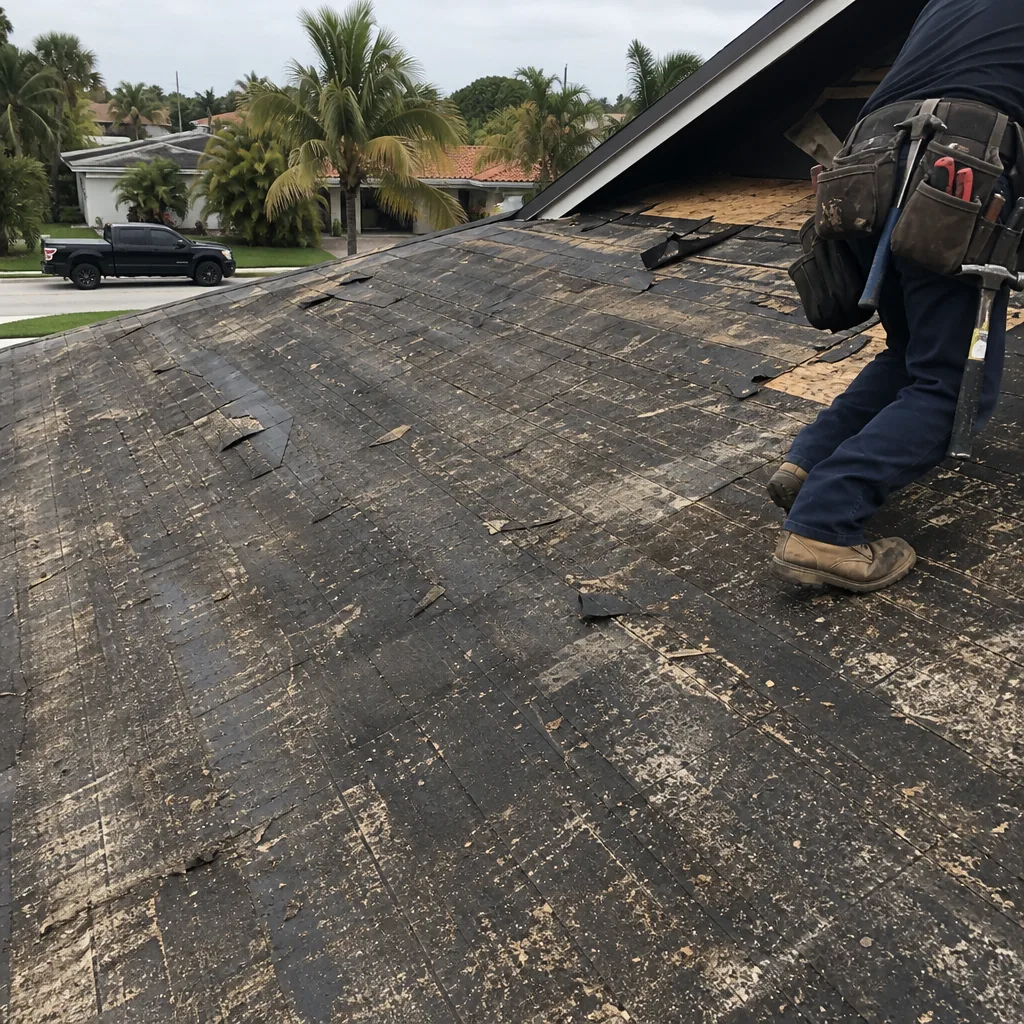 Before
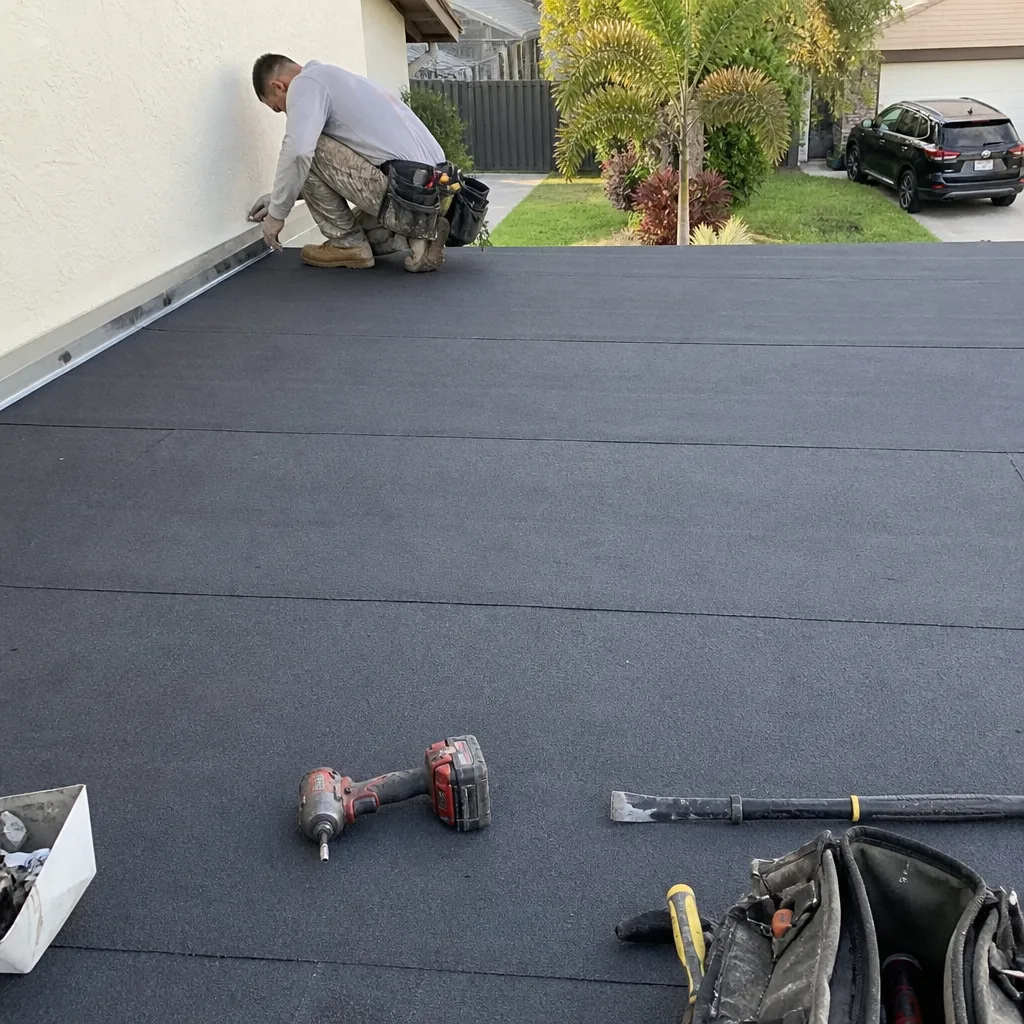 After
After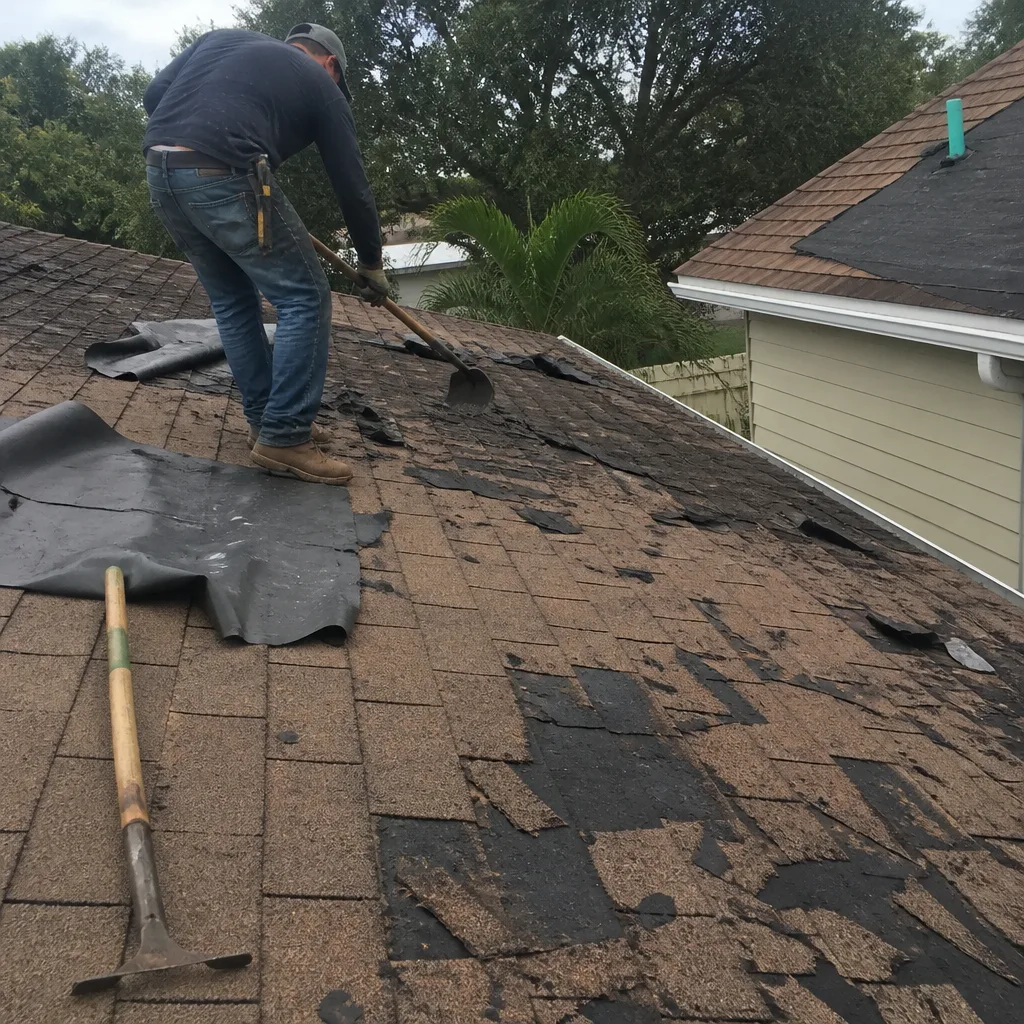 Before
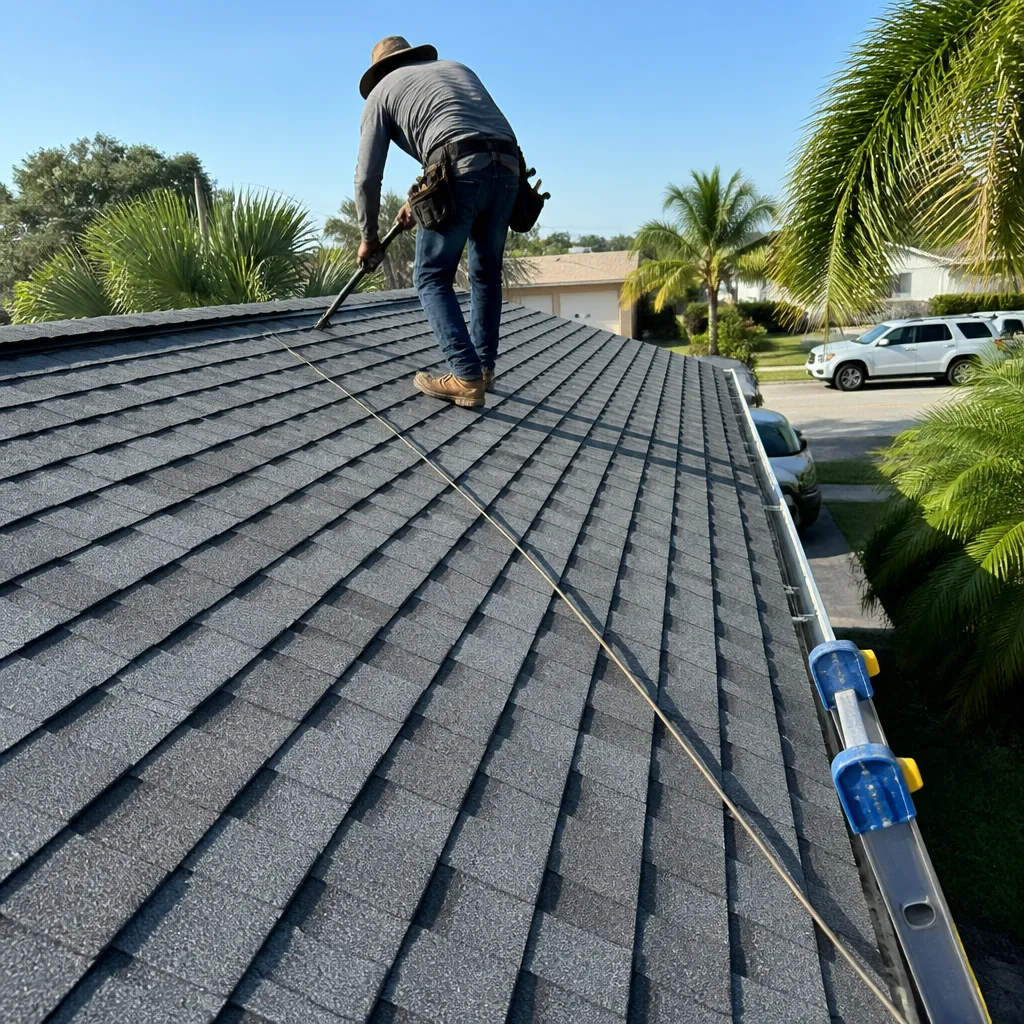 After
After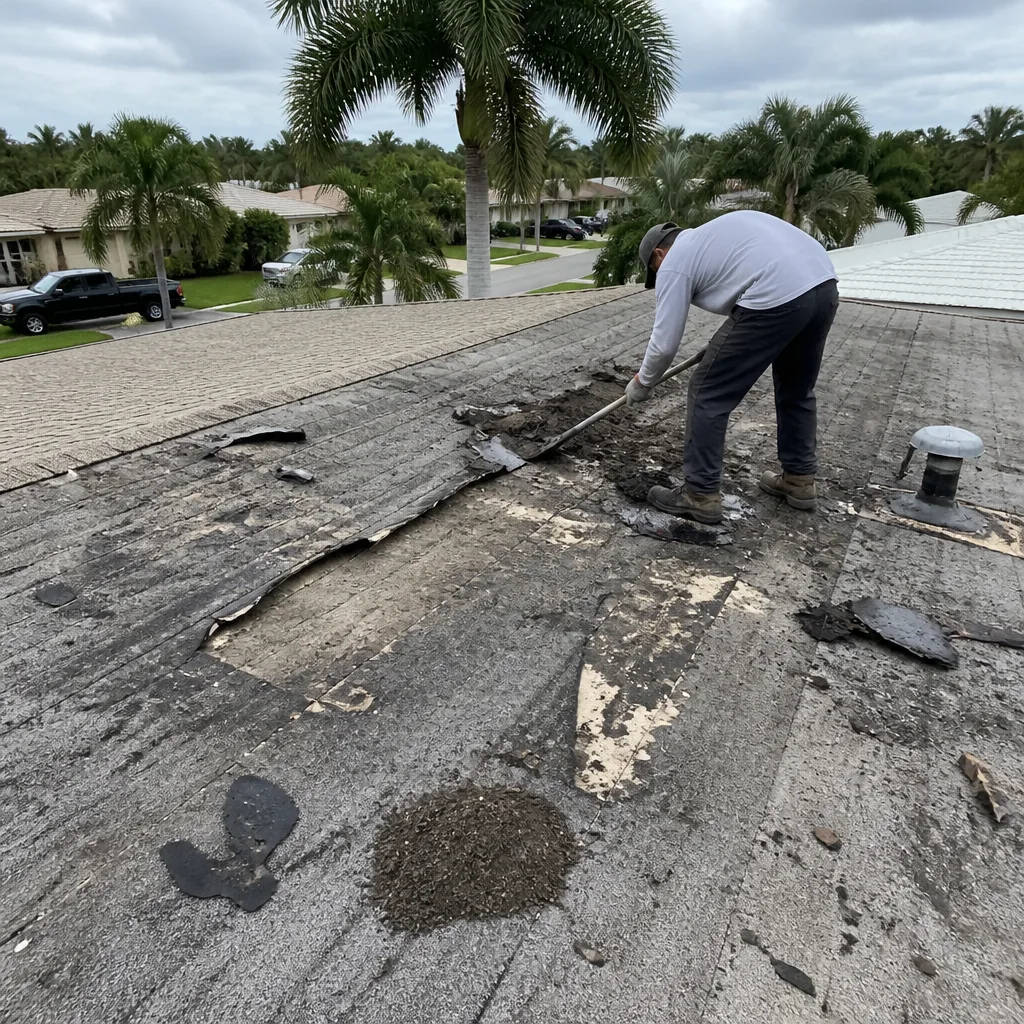 Before
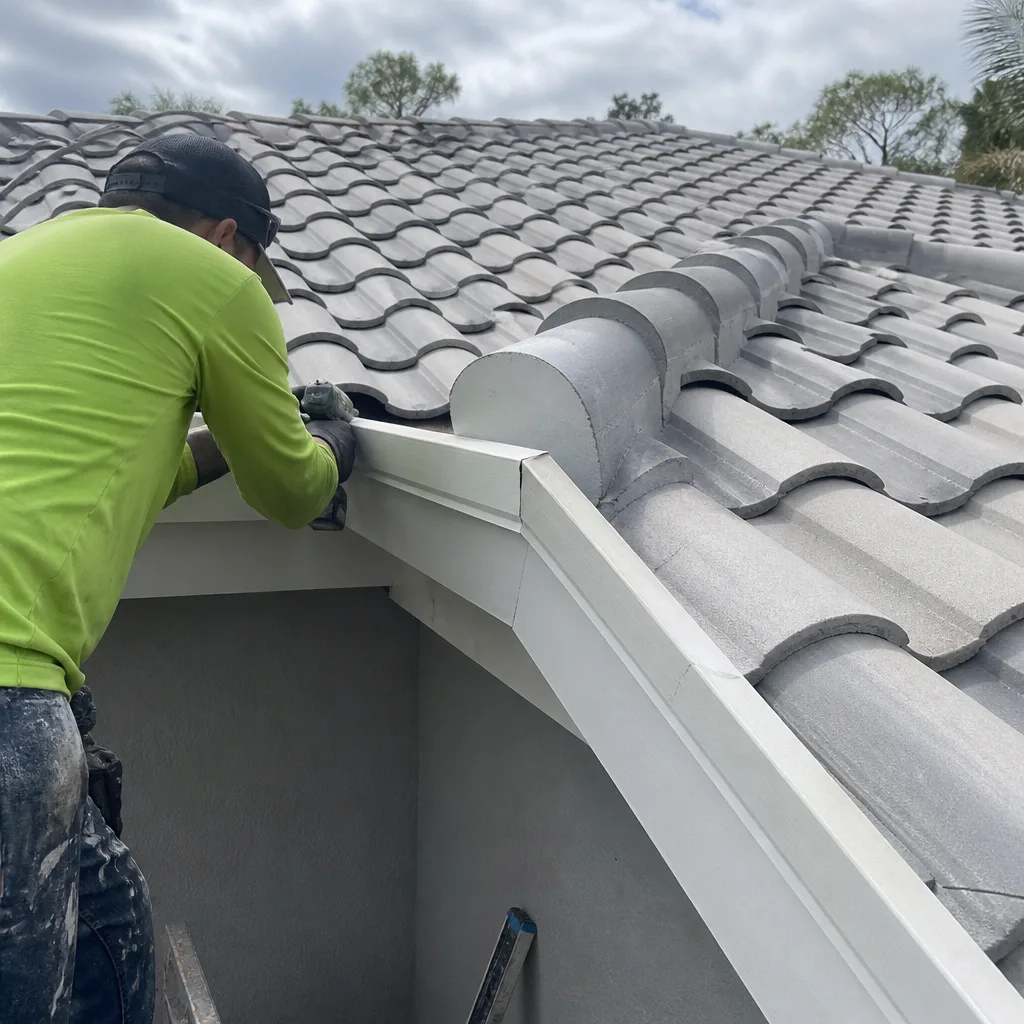 After
AfterWhen to Call a Professional
Some roofing problems announce themselves with a leak and a stain on the ceiling. Others hide until the damage is extensive and the repair is expensive. Call a Fort Lauderdale roofing contractor if you see missing or lifting shingles after a storm, granules collecting in your gutters, daylight visible through your attic decking, or water stains spreading on ceilings or walls after heavy rain. Leaks around chimneys, vents, or skylights often mean flashing failure, which gets more expensive the longer you wait. If your roof is past fifteen years old and you’re seeing multiple problem areas, schedule an inspection rather than chasing individual repairs. Tilehurst Roofing Fort Lauderdale offers free estimates in Fort Lauderdale, including roof inspections and full roof replacement consultations. Call Tilehurst Roofing for roof replacement in Fort Lauderdale at (754) 732-9325 to schedule your free estimate.
Frequently Asked Questions
Most asphalt-shingle roof replacements in Fort Lauderdale run between $11,000 and $22,000 depending on roof size, pitch, decking condition, and material choice. For a detailed breakdown of where that money goes, see our Roofing Cost Breakdown: The Fort Lauderdale Homeowner’s Reference for 2026. Tile roofs run higher, often $28,000 to $45,000. Call (754) 732-9325 for an exact quote; estimates are free, and the written price you receive is the price you pay.
A roofing contractor in Broward County should hold a Florida Certified Roofing Contractor (CCC) license, which authorizes work anywhere in the state including Fort Lauderdale. Verify the license number on the DBPR website and confirm the status reads “Current, Active.”
Storm chasers typically lack local Fort Lauderdale work history, pressure you to sign quickly, demand large deposits, and quote prices that seem too good to be true. Pull their DBPR complaint history and ask for Fort Lauderdale references before signing anything.
A written estimate is not automatically binding until you sign a contract, but a reputable Fort Lauderdale roofing contractor will honor the written price unless the inspection reveals documented, unavoidable changes. To keep your roof in top shape year-round, bookmark our Roofing Company Maintenance Checklist for Fort Lauderdale Homeowners. Tilehurst Roofing provides a written price before any work starts and honors that price through completion.
Yes. Broward County requires a building permit for roof replacements, and the contractor should pull the permit as part of the job. An unpermitted roof can trigger fines, insurance complications, and problems when you sell your home.
Most asphalt-shingle roof replacements in Fort Lauderdale take two to five days depending on roof complexity, weather, and crew size. Tile and metal roofs typically take longer. Your contractor should give you a written timeline before work begins, and Tilehurst Roofing includes this in every written scope.
The Bottom Line
Hiring a roofing contractor in Fort Lauderdale is a process you can master in an afternoon: verify the license, check the DBPR complaint history, demand a written scope and a written warranty, and never sign with anyone whose price changes at the door. The roofer who passes all of these tests is not the cheapest one; they’re the one who respects your time, your home, and your money enough to be honest about all three. That’s the contractor who will answer when you call, arrive when they said they would, and stand behind the work in plain writing. Greg Holloway and the team at Tilehurst Roofing Fort Lauderdale have built their reputation on exactly that. Call (754) 732-9325 to schedule your free estimate.
Written by Greg Holloway, Owner at Tilehurst Roofing Fort Lauderdale, serving Fort Lauderdale since 2000.