
Last updated October 17, 2026
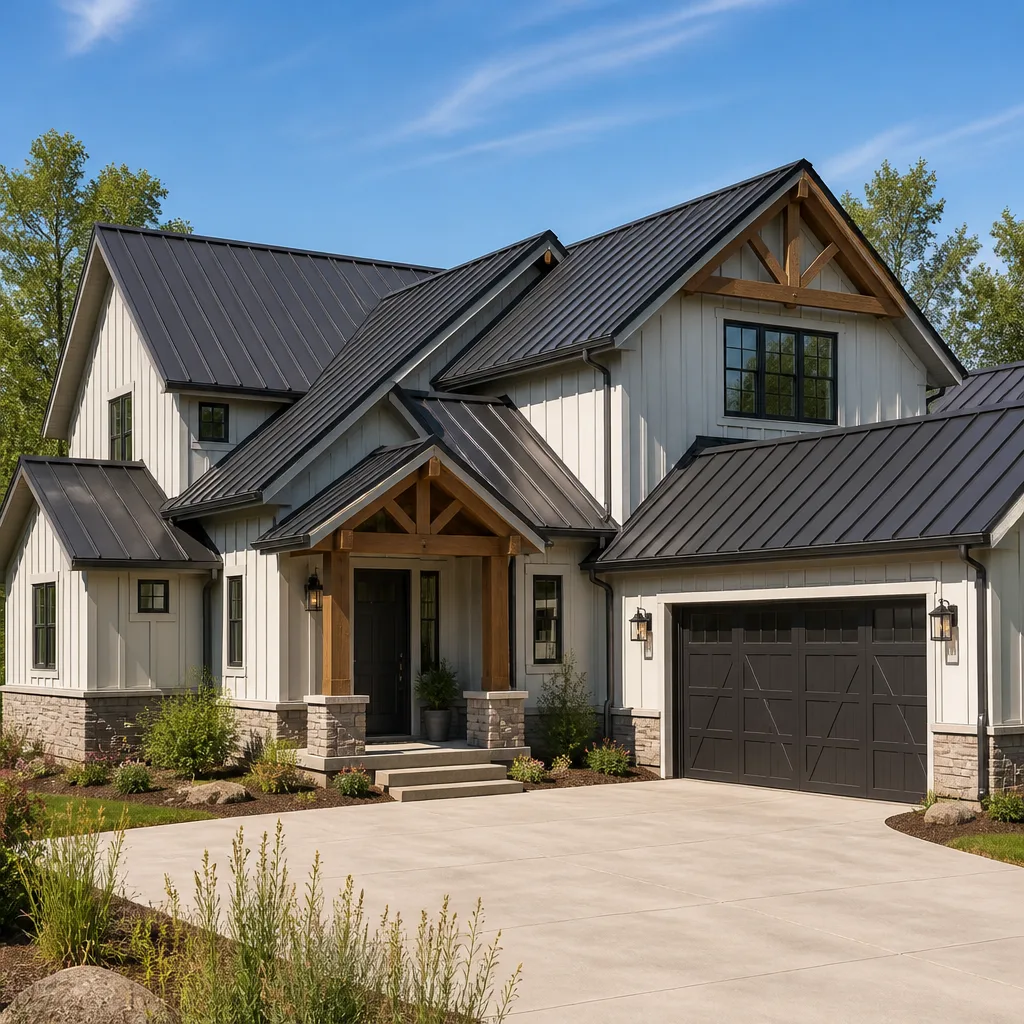 Metal roofing
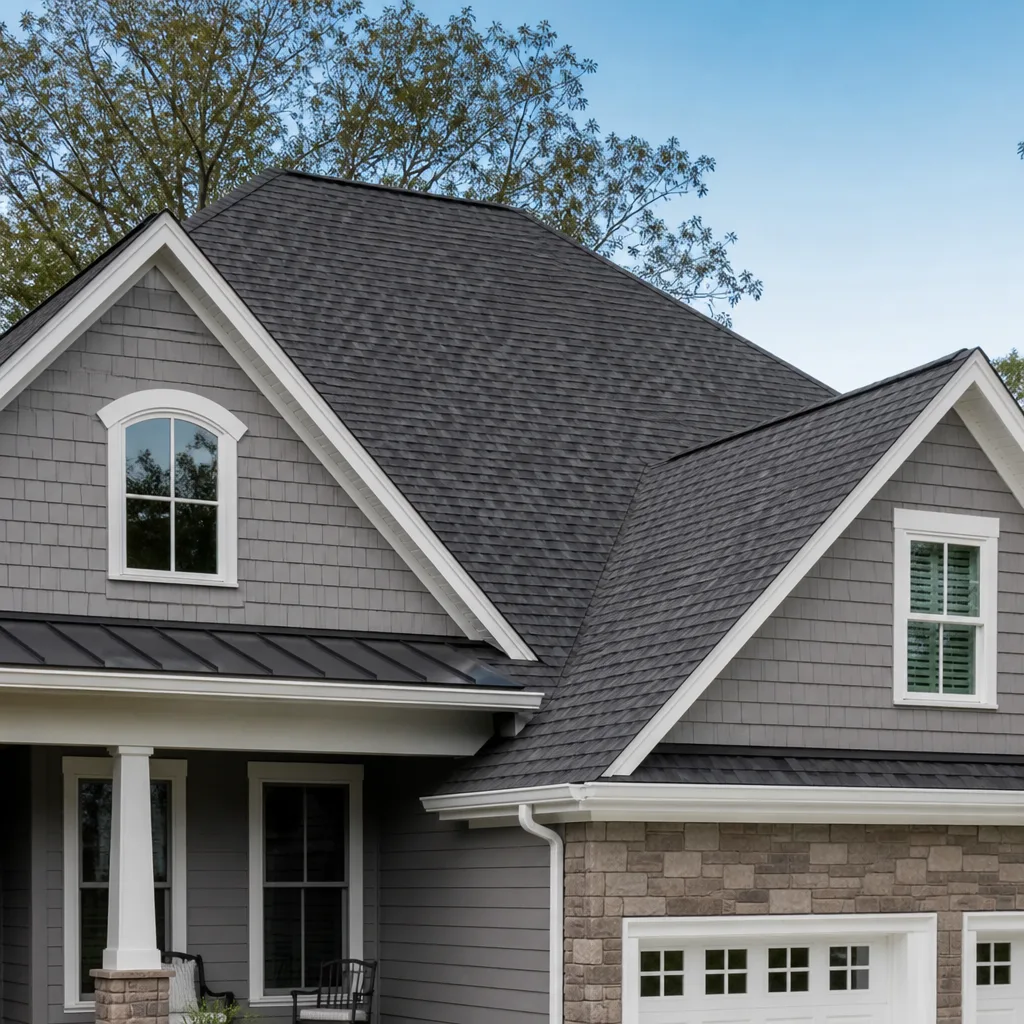 Architectural shingles
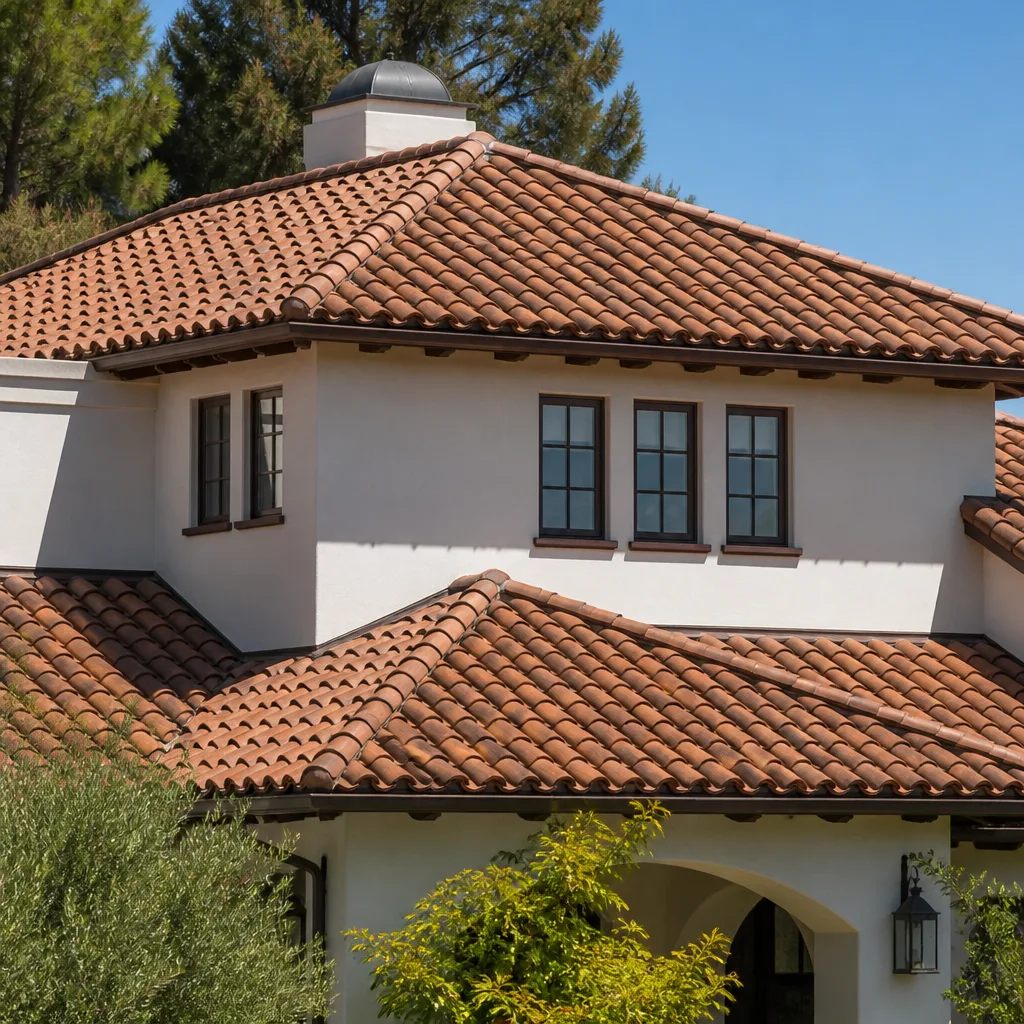 Tile roofing
 GAF
GAF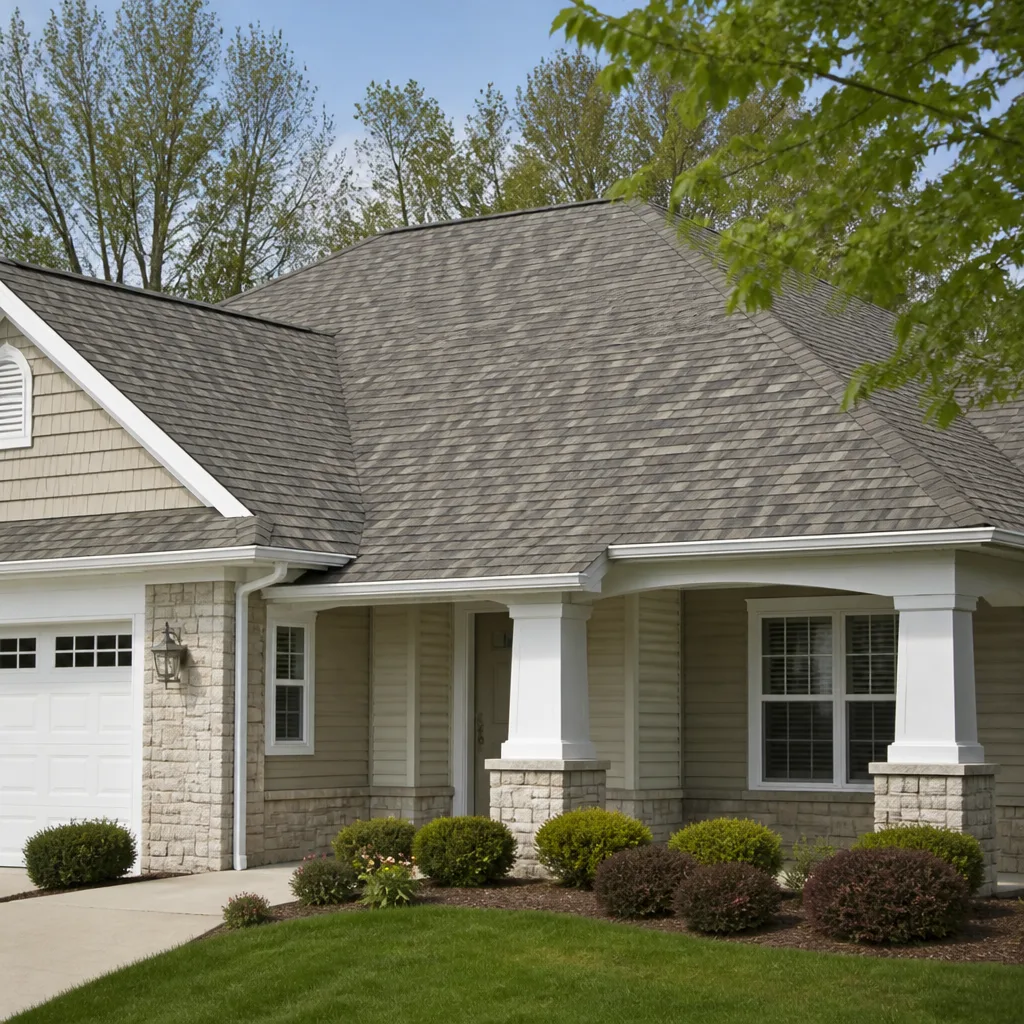 Owens Corning
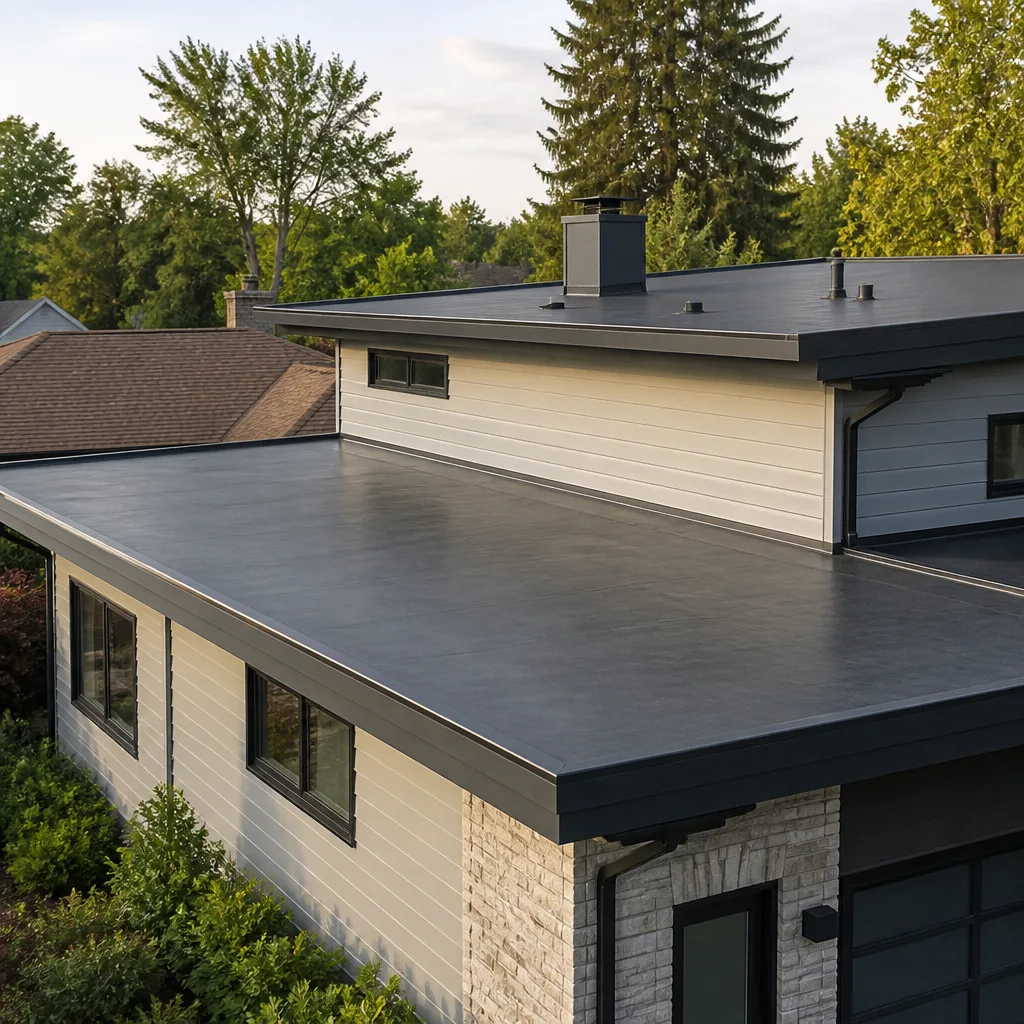 Flat & low-slope
Free roof inspection with deck photos before we talk money - GAF and Owens Corning certified installation
Roofing Cost Breakdown: The Fort Lauderdale Homeowner’s Reference for 2026
Most homeowners in Fort Lauderdale don’t get overcharged on their roof. They get under-quoted. The $4,000 gap between two roofing quotes you received last year probably wasn’t profit margin. It was one contractor including code-required decking replacement, a permit, and a final inspection, and one quietly planning to skip all three and hope the inspector never looks up. This guide walks you through every real line item on a 2026 Broward County roofing quote, with the price ranges contractors actually charge here, so you can read any bid without a contractor standing over your shoulder. For Roofing Permits, Codes & Inspections in FL: What You Need to Know, see our dedicated guide.
Styles & brands we work with
Quick Answer
A full roof replacement in Fort Lauderdale runs $8,500 to $32,000 for most single-family homes in 2026, depending on roof size, material, and decking condition. Asphalt shingle roofs average $5.50 to $7.75 per square foot installed, concrete tile runs $11 to $18 per square foot, and standing-seam metal lands between $14 and $22 per square foot. A complete, honest quote includes six to eight line items: tear-off, disposal, underlayment, decking repair, material, labor, permit, and inspection.
Table of Contents
- What Actually Drives Roofing Costs in Fort Lauderdale
- Material Costs Per Square: Asphalt, Tile, and Metal in 2026
- What Labor Costs Include (And What Gets Added as Extras)
- Why Fort Lauderdale Roofing Runs 15-22% Above the National Average
- Insurance-Funded vs. Out-of-Pocket Replacement Quotes
- The Three Line Items That Separate an Honest Quote From a Bait Quote
- How to Read a Quote: A Step-by-Step Walkthrough
- Common Mistakes to Avoid
- When to Call a Professional
- Frequently Asked Questions
- The Bottom Line
What Actually Drives Roofing Costs in Fort Lauderdale
A roof quote is never one number. It’s a stack of separate decisions, each with its own price tag. When a Fort Lauderdale contractor hands you a single figure with no line items, you’re not looking at a bargain. You’re looking at a number designed to win the job and get renegotiated later.
Here’s what actually moves the price on a Fort Lauderdale roof:
- Roof size and pitch. A 1,800-square-foot ranch in Coral Ridge costs less than a 3,200-square-foot two-story in Rio Vista, and not just because of surface area. Steeper pitches slow crews down, increase fall-protection requirements, and often trigger additional local code provisions for high-wind strapping.
- Decking condition. The plywood or OSB under your shingles or tile. In Fort Lauderdale’s humidity, decking rots from trapped moisture even when the roof above it looks fine. If the decking is soft, spongy, or delaminating, code requires replacement before new material goes down.
- Material choice. Asphalt is the entry point. Concrete tile is the Fort Lauderdale default for high-end homes. Metal is growing fast in neighborhoods like Victoria Park and Sailboat Bend. Each has a different installed cost, weight, and life expectancy.
- Permit and inspection fees. Fort Lauderdale requires a building permit for any full roof replacement, and the city’s storm-resistance codes are stricter than most Florida municipalities. A contractor who “handles permits” without a line item is either eating the cost or not pulling one.
- Existing roof condition. One layer of shingles tears off faster than three. Tile over old shingles with a rotten substrate costs more than tile over clean decking. The condition of what’s underneath controls the labor hours.
We’ve walked hundreds of Fort Lauderdale roofs over the years, and the homes that cost the least to roof are rarely the ones with the newest roofs. If you’re unsure whether yours needs attention, check our Roofing Warning Signs: A Fort Lauderdale Homeowner’s Reference Guide. They’re the ones with dry, intact decking and a simple, walkable pitch.
Material Costs Per Square: Asphalt, Tile, and Metal in 2026
Roofers price material by the “square,” which is 100 square feet of roof surface. A 2,000-square-foot home typically has 2,200 to 2,600 square feet of actual roof area, depending on pitch and overhangs. That’s 22 to 26 squares. Here are the 2026 Broward County market ranges for the three dominant Fort Lauderdale roof types, material only:
| Roof Type | Material Cost Per Square | Installed Cost Per Square | Typical Life |
|---|---|---|---|
| Asphalt shingle (architectural) | $140-$210 | $550-$775 | 15-22 years |
| Concrete tile (flat or S-profile) | $380-$620 | $1,100-$1,800 | 40-60 years |
| Standing-seam metal | $520-$800 | $1,400-$2,200 | 40-70 years |
Those installed ranges include underlayment, fasteners, and standard flashing. They don’t include decking replacement, tear-off of multiple layers, or steep-pitch surcharges.
On the manufacturer side, you have real choices in Fort Lauderdale. Owens Corning and IKO both produce architectural shingles rated for Broward County’s wind zones. Atlas makes a popular storm-rated shingle we see specified on homes east of Federal Highway. Tamko has a strong mid-price lineup that suits a lot of 1970s and 1980s single-story homes in neighborhoods like Imperial Point and Poinsettia Heights. The point is that no contractor should tell you there’s one brand that fits every house. We stock and install from seven manufacturers at our Fort Lauderdale roofing company, and we pick the product after we see the roof, not before.
What Labor Costs Include (And What Gets Added as Extras)
Labor is the largest line item on most Fort Lauderdale roofing quotes, usually 55 to 65 percent of the total. What you’re actually paying for when you pay labor:
- Tear-off. Removing the existing roof down to the decking. In Fort Lauderdale, this often means hauling off waterlogged material that weighs more than it did when it went on. Crews price tear-off per square, and multiple layers stack the price.
- Disposal. Dumpster rental, haul-away fees, and landfill tipping costs in Broward County. Some lowball quotes omit disposal entirely and leave the debris pile in your driveway.
- Underlayment installation. Fort Lauderdale code requires a secondary water barrier on most roof replacements. Peel-and-stick underlayment costs about $0.60 to $1.10 per square foot installed, and it’s non-negotiable in a hurricane zone.
- Flashing work. Replacing or re-sealing the metal at chimneys, vents, skylights, and wall intersections. Flashing is where roof leaks actually happen, and it’s the first thing cut from a cheap quote.
- Safety compliance. Fall protection, harness anchors, and OSHA-required setup. This is real time and real money, and a background-checked crew with proper rigging costs more than a pickup crew with a ladder and a prayer.
The extras that get tacked on after the job starts are usually things that should have been in the quote from day one: decking replacement ($2.50 to $4.50 per square foot), re-decking over spaced board, rotten fascia repair, and drip edge replacement. If a quote doesn’t mention decking and your roof is 20 years old, the quote isn’t finished. At Tilehurst Roofing Fort Lauderdale, we put a written price in your hands before any work starts, and that price includes the decking allowance or states clearly how we handle per-sheet replacement costs if we find rot during tear-off.
Why Fort Lauderdale Roofing Runs 15-22% Above the National Average
If you’ve priced a roof for a cousin in Ohio or a sibling in Texas, you already know: Fort Lauderdale roofing costs more. Not because contractors here are greedier. Because the inputs are genuinely higher. Here’s the specific breakdown:
- Wind code compliance. Fort Lauderdale sits in a High Velocity Hurricane Zone. Roofs here must meet Miami-Dade or Florida Building Code HVHZ standards, which means more fasteners per square, specific underlayment products, and often secondary water intrusion barriers. The materials cost about 6 to 10 percent more than non-HVHZ Florida roofs.
- Labor market. Broward County trades are in competition with Miami-Dade construction wages. A competent roofer in Fort Lauderdale makes more than a roofer in Jacksonville or Tampa, and that shows up on your invoice.
- Insurance and liability. Workers’ compensation rates for roofers in Florida are among the highest in the country. A legitimate contractor carries this cost and passes a small percentage through. A contractor without it is cheaper by exactly the amount of your risk if someone gets hurt on your property.
- Hail and storm demand cycles. After any significant storm season, material suppliers raise prices on asphalt and underlayment, and Fort Lauderdale competes with every other South Florida city for the same inventory. Prices soften in slower years and spike right after a named storm brushes the coast.
- Permit and inspection burden. Fort Lauderdale’s building department enforces documentation, engineering letters, and multiple inspection points. Those fees, plus the time a permit runner spends at 100 N Andrews Avenue, add roughly $400 to $900 per job.
When you see a Fort Lauderdale quote that matches national averages, start asking what got left out. It’s usually the code compliance, the insurance, or the inspection.
Insurance-Funded vs. Out-of-Pocket Replacement Quotes
If your roof damage is covered by a homeowners insurance claim, the quote you receive will look different from a retail replacement quote, and not because the roof is different. Insurance-funded jobs follow a claims process: an adjuster estimates the damage, approves a scope of work determined by the policy, and the contractor bills the insurer directly or receives the recoverable depreciation after work is complete.
Where homeowners lose money in the difference:
- The adjuster’s scope is a floor, not a ceiling. Adjusters miss code-required upgrades all the time, especially HVHZ underlayment, peel-and-stick requirements, and decking that fails once the old material comes off. If the contractor just does what the adjuster wrote, you may end up with a roof that passes the insurance scope but doesn’t meet current Fort Lauderdale code.
- Supplement claims are real work. A good contractor documents the gap between the adjuster’s estimate and the actual cost, files a supplement, and negotiates with the carrier. A lazy contractor says “that’s what insurance paid” and either eats the difference or asks you to cover it out of pocket at the end.
- Deductible fraud gets offered. Any contractor who offers to “waive your deductible” or credit it back is committing insurance fraud in Florida, and you’re the one who’ll answer for it if the carrier audits the claim.
- Retail quotes bundle differently. An out-of-pocket quote should show you every line item transparently. An insurance quote often mirrors the adjuster’s format, which can hide things like drip edge, starter shingles, and ridge cap in broad categories like “roofing materials.”
If you’re filing a claim in Fort Lauderdale, get a contractor who has worked Broward County insurance jobs and knows what HVHZ compliance means for the supplement. Our team handles the paperwork and documentation so the final roof meets code, not just the adjuster’s initial estimate.
The Three Line Items That Separate an Honest Quote From a Bait Quote
Fort Lauderdale homeowners who’ve been burned before usually spot the same pattern once they know what to look for. Three line items show up on complete, honest quotes and disappear from quotes designed to look competitive until the job starts:
- Decking replacement allowance. An honest quote states a per-sheet price for decking and defines how the contractor handles rot found during tear-off. A bait quote omits decking entirely and treats it as an “unforeseen condition” later, at whatever price the contractor names once your roof is already open.
- Permit and inspection fees. A complete quote shows the permit fee as a line item or clearly states it’s included in the contract price. A bait quote says “permits handled” and then either adds the fee after you sign or skips the permit, which leaves you with an unpermitted roof that causes problems when you sell.
- Underlayment specification. A complete quote names the specific underlayment product being installed, not just “roofing felt.” In Fort Lauderdale, the name matters: a peel-and-stick polymer underlayment meeting HVHZ standards costs more than a basic #15 felt and performs completely differently in wind-driven rain. Quotes that don’t name the underlayment are usually pricing the cheaper one and hoping you won’t ask.
If you see all three line items, you’re reading a serious quote. If any of them is missing, ask before you sign. At Tilehurst Roofing Fort Lauderdale, our written quotes include decking allowances, permit fees, and specific underlayment products on every single roof replacement in Fort Lauderdale. No one should have to guess what’s included.
How to Read a Quote: A Step-by-Step Walkthrough
When you hold two or three Fort Lauderdale roofing quotes side by side, the comparison is only fair if the quotes describe the same roof. Here’s how to read one in the order the line items should appear:
- Confirm the address and roof size. The quote should state the measured roof area in squares. If two quotes describe different square counts, one contractor measured wrong, and that difference alone explains hundreds or thousands of dollars.
- Check the tear-off line. It should say how many layers are being removed and whether disposal is included. A single line that says “tear-off and haul” is acceptable if it also names the number of layers.
- Look for the underlayment product name. Not just “felt” or “underlayment.” You want a product name, like GAF WeatherWatch, Owens Corning Deck Defense, or a comparable peel-and-stick that meets Broward County HVHZ standards.
- Find the decking clause. There should be a stated per-sheet price for plywood or OSB replacement and language saying you’ll approve additional decking costs before they’re incurred. If it’s absent, ask for it in writing before you sign.
- Verify the flashing scope. Which penetrations are included? Chimneys, plumbing vent stacks, HVAC curbs, skylights. A quote that says “flashing as needed” is a quote that doesn’t want to commit to the part of the roof that leaks most often.
- See the material brand and product line. “Architectural shingle” is not enough. You want the manufacturer and the specific line, because a GAF Timberline HD and an IKO Dynasty carry different costs and different warranties.
- Confirm the permit line. Fort Lauderdale requires a permit for full replacements, and the permit fee should appear as its own line or be explicitly included. Same with the final inspection.
- Read the warranty language. Does the quote separate the manufacturer material warranty from the contractor workmanship warranty? Both should be in writing, and the workmanship warranty should state its duration in months or years.
One more thing we tell homeowners all the time: if a quote is handwritten, vague, or shorter than one page for a full replacement, that’s a signal. A legitimate Fort Lauderdale roof quote takes time to prepare because a legitimate roof has a lot of components. We deliver written, line-item pricing before any work starts, and the price you sign is the price you pay. That’s what a written guarantee is for.
Common Mistakes to Avoid
- Comparing quotes by total price alone. A $14,000 quote with decking, permit, and underlayment included is cheaper than an $11,500 quote that will add $4,000 in “unforeseen” costs after tear-off. Compare line items, not bottom lines.
- Accepting the first insurance adjuster number. Adjusters miss HVHZ code items routinely. Get a contractor who files supplements and document everything.
- Choosing the thickest material without checking weight. Concrete tile is excellent in Fort Lauderdale, but a roof structure built for shingles may not handle the added weight without engineering. A good contractor checks the trusses before recommending tile.
- Ignoring the drip edge. It’s a thin strip of metal at the roofline, and it’s cheap. But quotes that leave it out leave your fascia and decking edges exposed to Fort Lauderdale’s afternoon downpours. It should be a line item.
- Delaying a roof with visible granule loss. Shingles that shed granules have already lost most of their UV protection. In South Florida sun, that roof fails faster than you think, and the decking damage underneath gets more expensive every month.
- Not asking who answers the phone. Fort Lauderdale roofing problems don’t wait for business hours. A storm at 9 p.m. on a Saturday needs a company with a live person on the line, not a voicemail that says they’ll call back Monday. Tilehurst Roofing has a live person answering 24/7, every day of the year.
- Signing without a start-to-finish written scope. If the contract doesn’t say what’s included, the contractor decides what’s included. Get the scope in writing, with the Kingswell Way in mind: say the price before the work, show up in the window we gave, leave the place cleaner than we found it, put the guarantee in writing, and come back if it fails.
When to Call a Professional
Some roofing decisions can wait for a sunny Saturday. Others can’t. Call a Fort Lauderdale roofer right away if you see water stains on your ceiling, daylight through the decking in your attic, shingles lifting along the rake edges, or tile pieces in your gutters after a storm. Failed flashing around a chimney or plumbing vent is also urgent, because water getting in there won’t announce itself until the damage is extensive. And if your roof is 18 years old or more, a professional inspection now costs less than an emergency repair later. Our roof repair service in Fort Lauderdale handles everything from small flashing fixes to full storm recovery. Tilehurst Roofing Fort Lauderdale offers free estimates in Fort Lauderdale, call (754) 732-9325 to schedule yours.
Frequently Asked Questions
A new roof in Fort Lauderdale costs $8,500 to $32,000 for most single-family homes, with the typical 2,200-square-foot asphalt shingle roof landing between $12,000 and $17,000 installed. Concrete tile and standing-seam metal run higher, and your exact price depends on roof size, pitch, decking condition, and which of the five material upgrade paths you choose. Call (754) 732-9325 for a free line-item estimate on your specific home.
On an honest quote, the price changes only if decking rot is discovered during tear-off, and that change should be governed by a per-sheet price agreed in writing before work begins. A contractor who quotes low and then renegotiates for vague “unforeseen conditions” is the one to avoid. Every Tilehurst Roofing job begins with a written price before any work starts, and decking costs are defined in the contract.
Yes, the City of Fort Lauderdale requires a building permit for full roof replacements, and the work must pass inspection before the project closes. For year-round maintenance tips, see our Seasonal Roofing Care for Fort Lauderdale: Year-Round Homeowner’s Guide. Permit fees typically add $400 to $900 to the project, and they should appear as a line item or be explicitly stated as included. An unpermitted roof can complicate a future home sale and may not meet current HVHZ standards.
Most asphalt shingle replacements in Fort Lauderdale take two to four working days from tear-off to final inspection, weather permitting. Concrete tile and metal roofs typically run five to eight working days because of the material handling and precision fastening involved. South Florida’s afternoon thunderstorms can add days to the schedule, so the best contractors build weather buffer into the timeline.
Concrete tile is the best long-term material for most Fort Lauderdale homes because it handles the sun, wind, and salt air better than any other roof type, but it’s heavier and more expensive to install. Standing-seam metal is excellent for low-slope and coastal homes, while architectural asphalt shingle from manufacturers like Owens Corning or Tamko is the right choice when budget or roof-structure weight limits are the deciding factors. We stock materials from seven manufacturers so we can recommend what fits your specific home, not just what’s on the truck.
Yes, if the damage is localized, like missing shingles, failed flashing, or a small leak around a penetration, a repair makes sense and costs $350 to $1,800 depending on the scope. If the roof is beyond 75 percent of its expected life or the decking is compromised across multiple areas, replacement is usually the cheaper long-term option. Every repair from Tilehurst Roofing includes a written guarantee delivered before the crew leaves, and if the repair fails inside the guarantee period, we return at no charge under the 365-Day Done Right Promise.
The Bottom Line
A Fort Lauderdale roofing quote is only as good as the line items inside it. The homeowners who get burned are rarely the ones who picked the wrong brand or the wrong color. They’re the ones who compared two quotes by total price and never saw that one included decking, permit, and underlayment while the other didn’t. In 2026, a complete, honest Fort Lauderdale roof quote names the material, the underlayment product, the decking allowance, the permit fee, and the warranty in writing. If you’re ready to price your roof, call (754) 732-9325 and we’ll put the full breakdown in your hands, free, before you have to decide anything. You can also explore more guides & resources on our blog.
Written by Greg Holloway, Owner at Tilehurst Roofing Fort Lauderdale, serving Fort Lauderdale since 2000.
See the difference
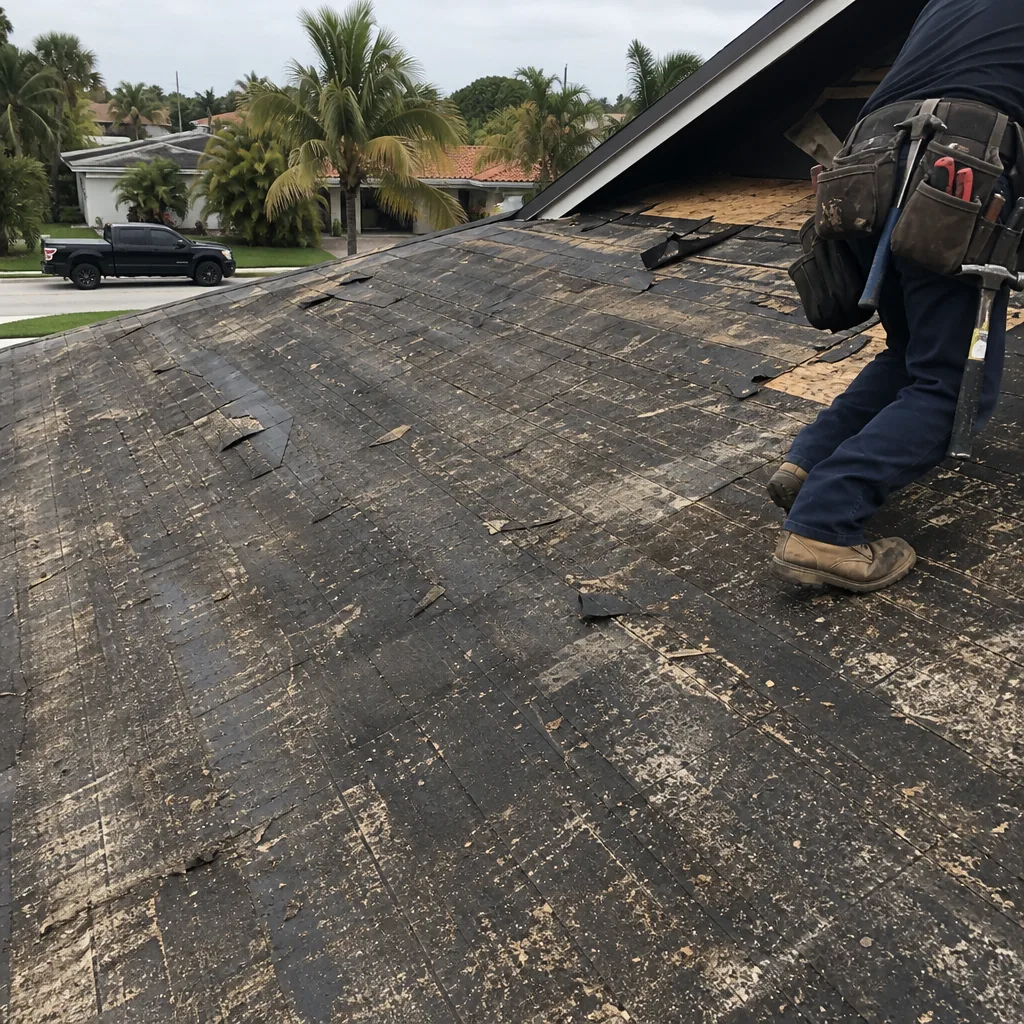 Before
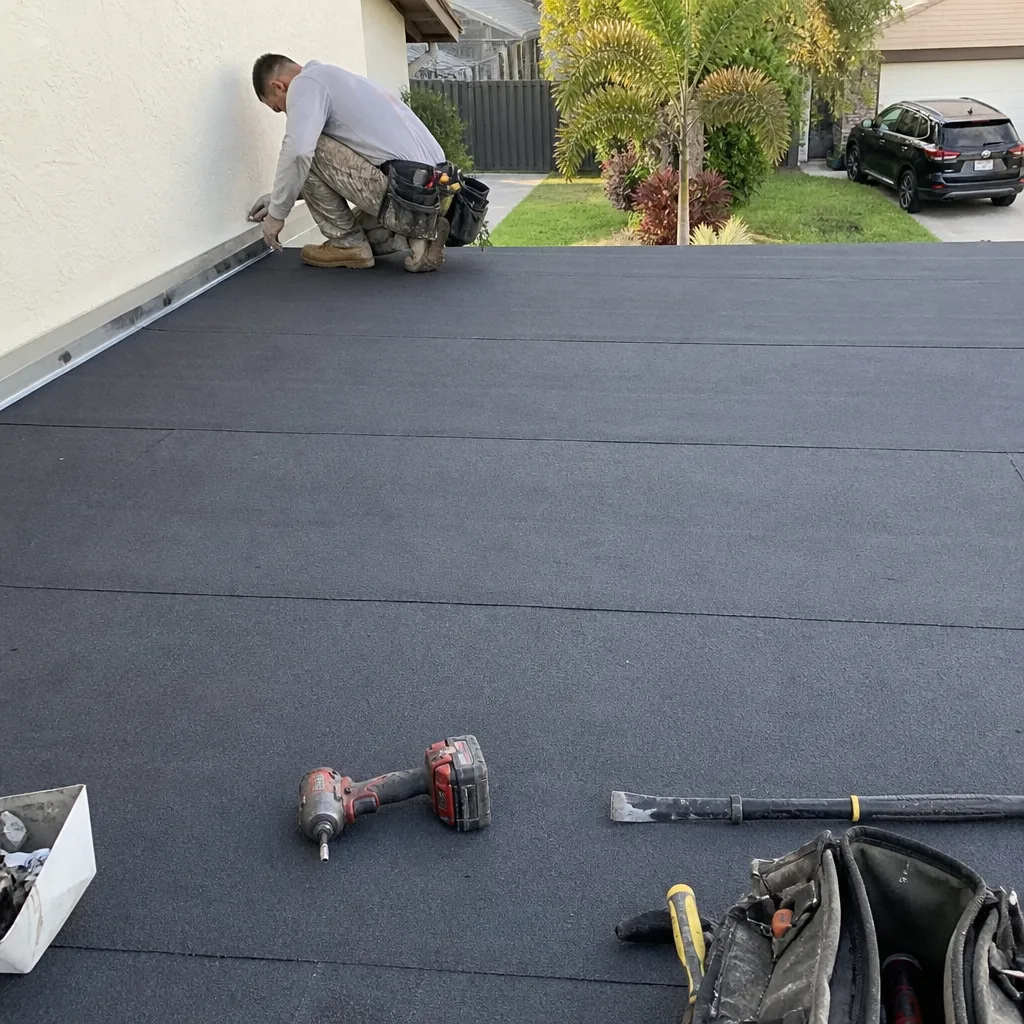 After
After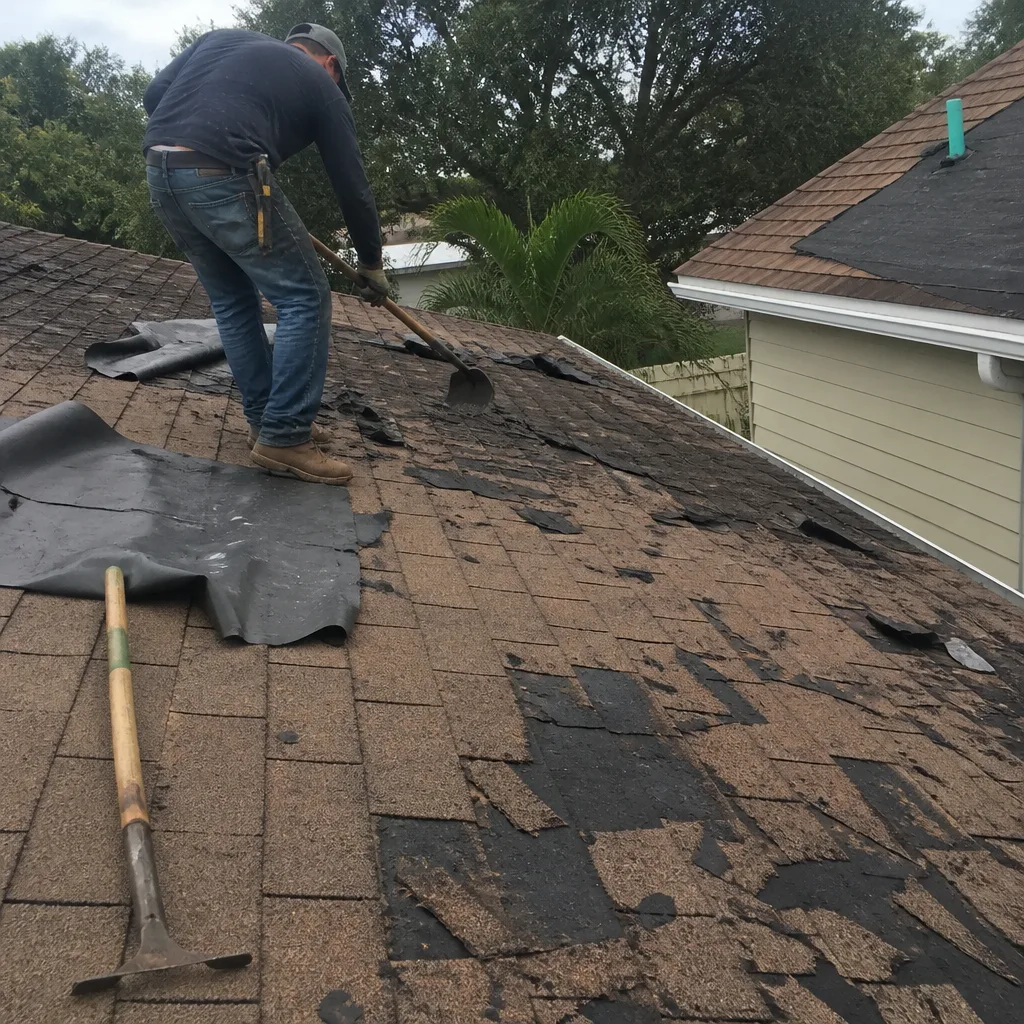 Before
 After
After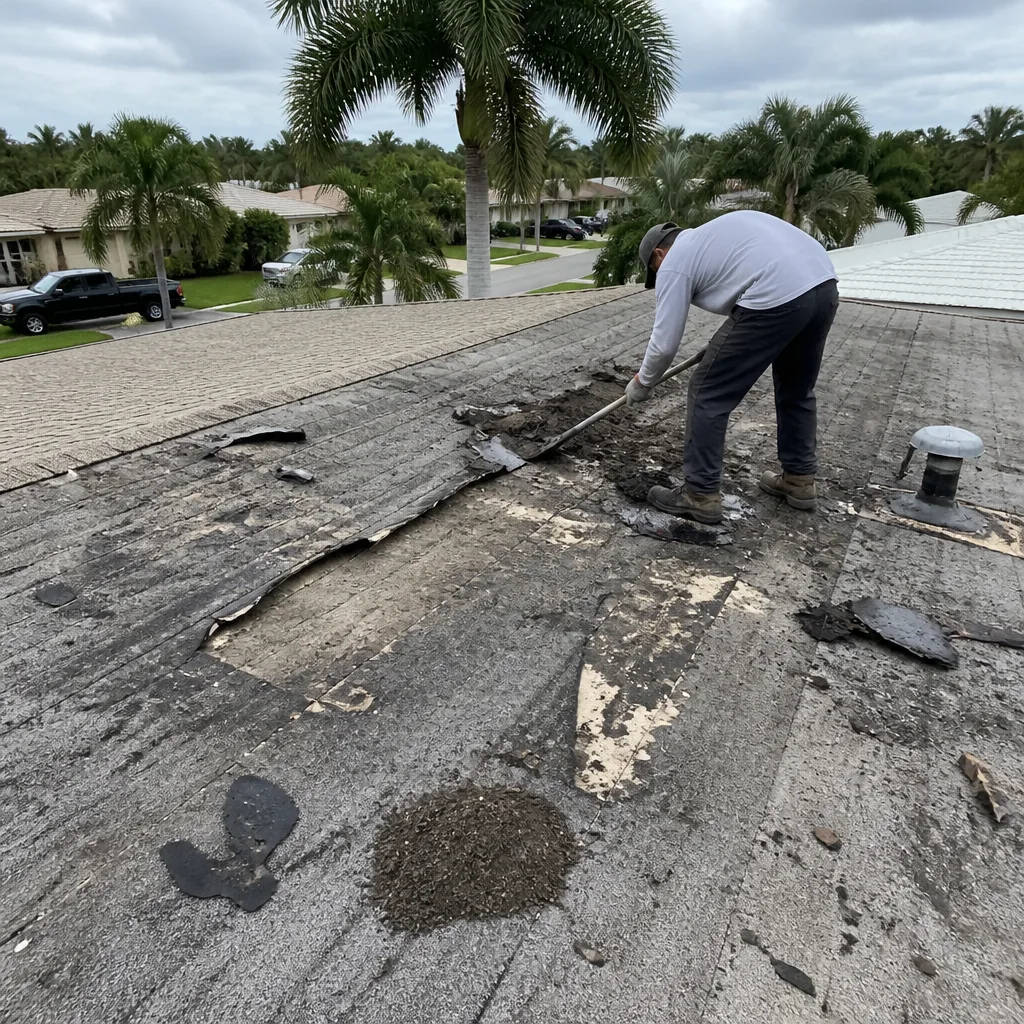 Before
 After
After