
Last updated October 17, 2026
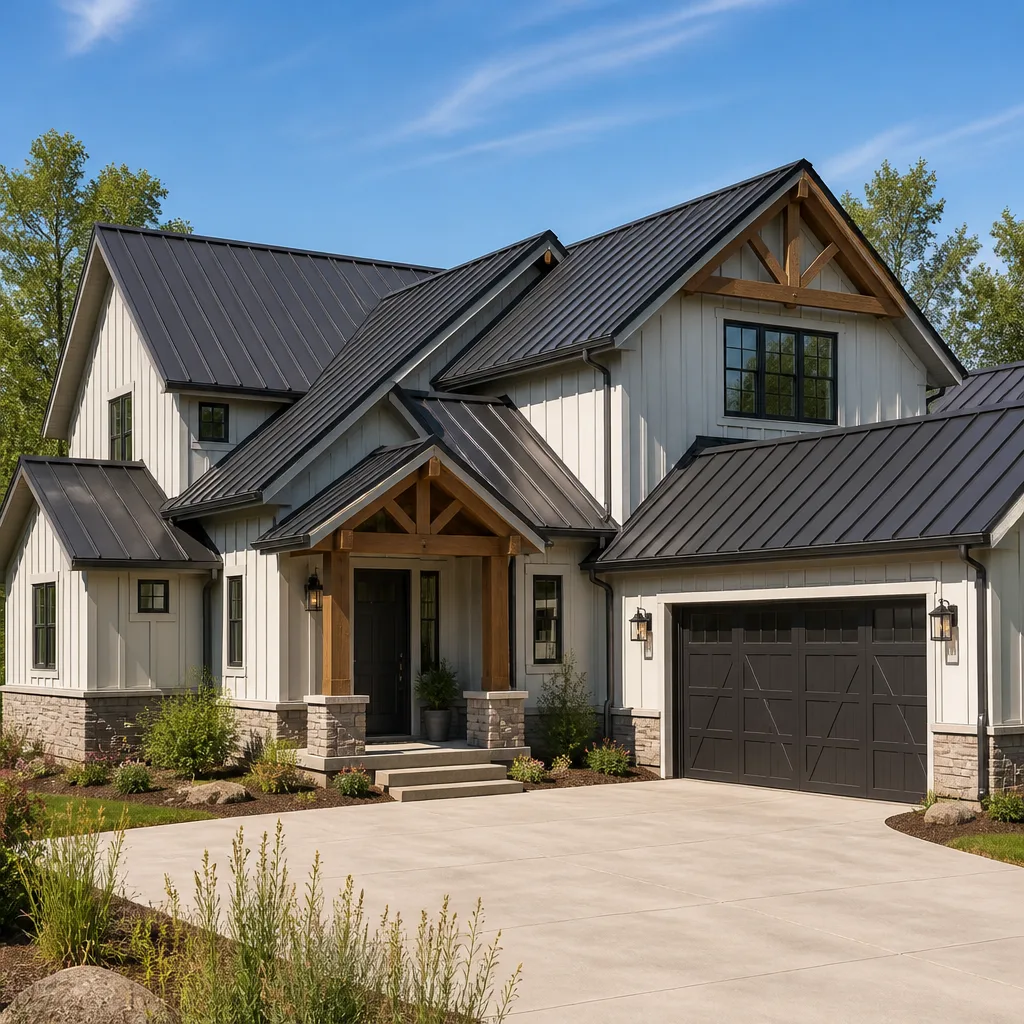 Metal roofing
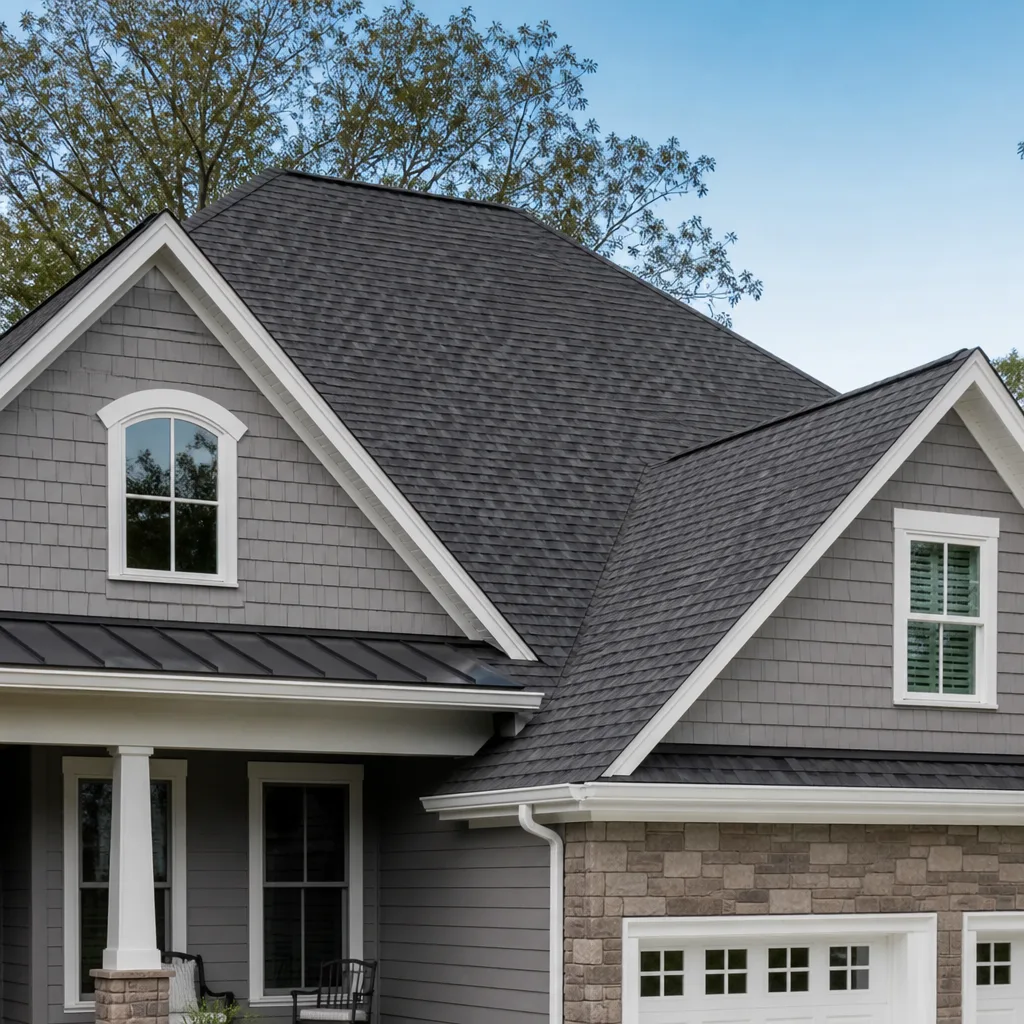 Architectural shingles
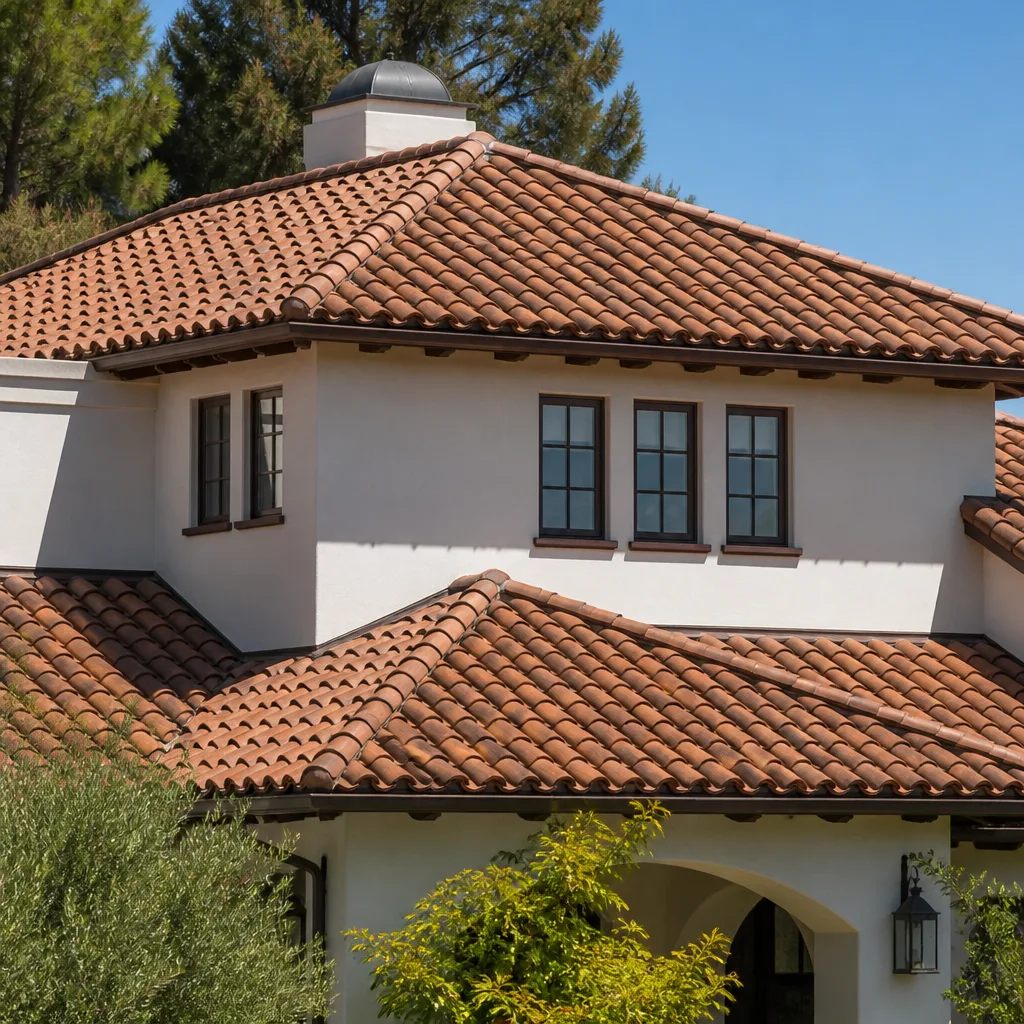 Tile roofing
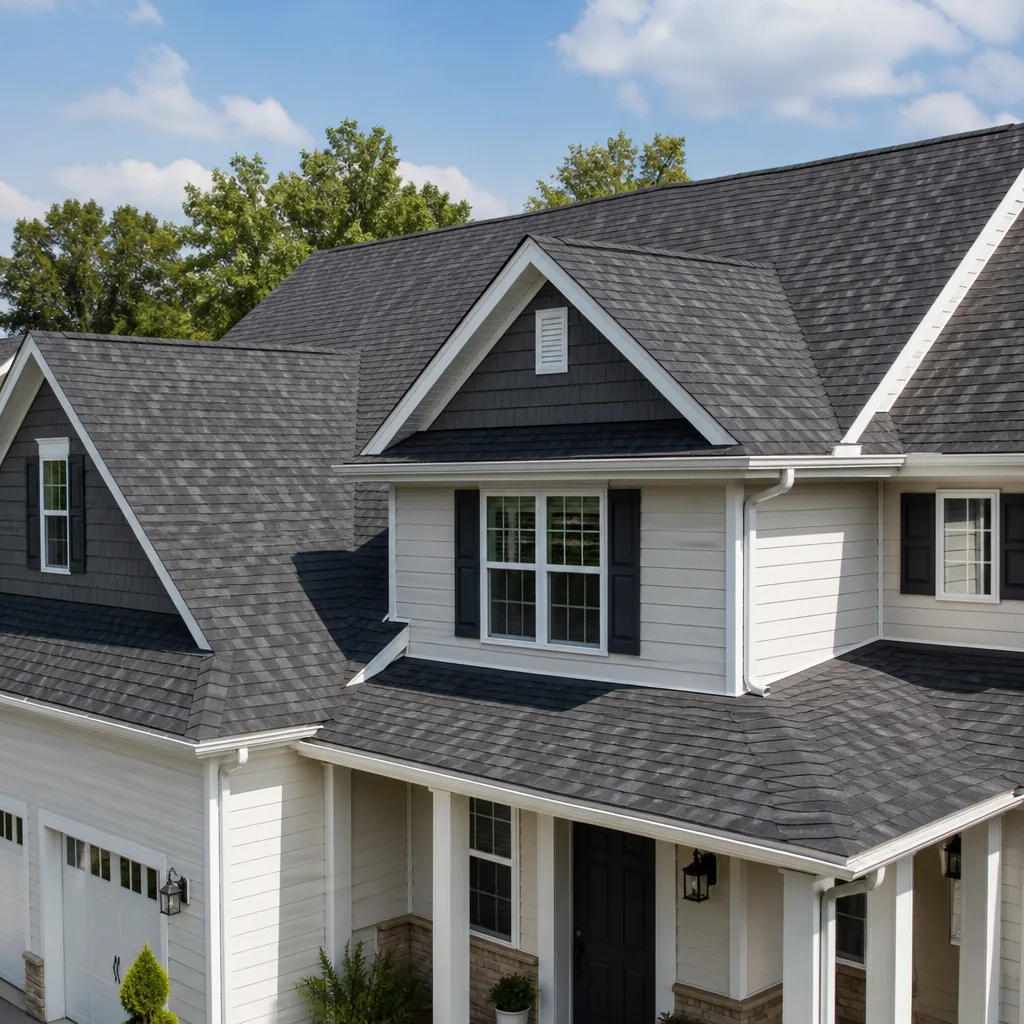 GAF
GAF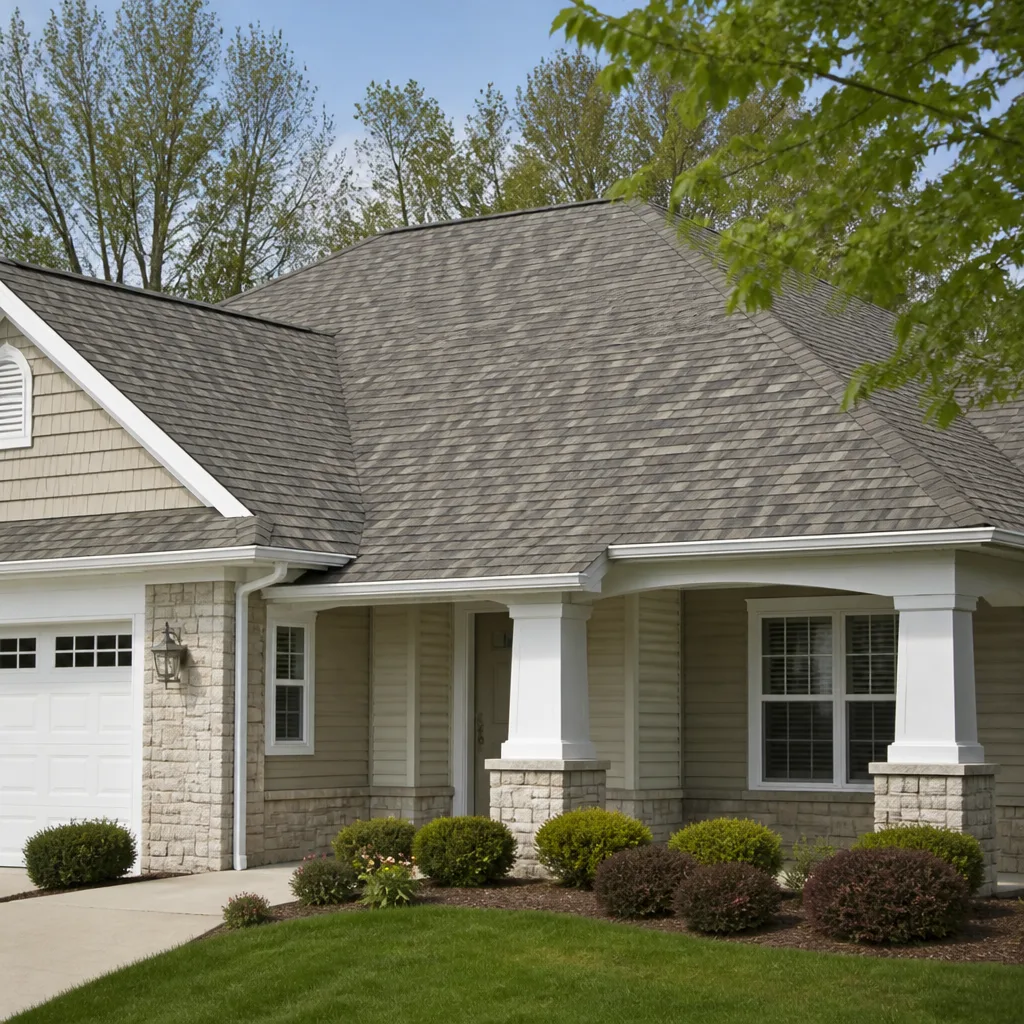 Owens Corning
 Flat & low-slope
Free roof inspection with deck photos before we talk money - GAF and Owens Corning certified installation
The Complete Guide to Roofing in Fort Lauderdale
The average Fort Lauderdale homeowner replaces their roof 18 months sooner than they should. Not because the roof failed. Because nobody told them what questions to ask when it was installed. Salt air eats fasteners from the inside out, standing water on a low slope becomes a liability instead of an aesthetic choice, and your insurance premium doesn’t care how “good” the last roofer said the job was. It cares what documentation exists. This guide covers what actually matters in Fort Lauderdale: which materials survive our specific climate, what your insurance company expects, how to read a quote without getting burned again, and the one warranty question that separates a roof that lasts from one that gets replaced early. If you’re researching roofing company in Fort Lauderdale options, you’ll leave with a working knowledge most contractors never bother to explain.
Quick Answer
Roofing in Fort Lauderdale means selecting materials and installation methods engineered for salt air, hurricane-force wind uplift, and relentless UV exposure, then documenting every spec so your insurance company can’t dispute the claim later. A new asphalt shingle roof here typically runs $9,500 to $18,000 for an average 1,800-square-foot home, with concrete tile running $22,000 to $38,000 and metal between $18,000 and $34,000. The single most important decision you’ll make is not the shingle brand. It’s whether the contractor registers the manufacturer’s workmanship warranty in your name and provides written proof before the crew leaves.
Styles & brands we work with
Table of Contents
- What Fort Lauderdale’s Climate Actually Does to a Roof
- Material Selection: What Works Here and What Fails Quietly
- How Your Roof Choice Affects Your Insurance Premium
- Miami-Dade NOA vs. Florida Product Approval: What Broward County Inspects
- Flat and Low-Slope Roofs: A Different Maintenance Logic
- The Warranty Question to Ask Before Signing Anything
- What Roofing Costs in Fort Lauderdale: Real Numbers
- Common Mistakes to Avoid
- When to Call a Professional
- Frequently Asked Questions
What Fort Lauderdale’s Climate Actually Does to a Roof
Fort Lauderdale’s climate is not kind to roofs. It’s not just hurricanes. It’s the daily grind of three forces working together: salt air, standing water, and UV radiation. Salt air is the quiet one. Even several miles inland, the Atlantic’s salt particles travel on prevailing easterly winds and settle on exposed metal. Galvanized nails rust. Flashing corrodes at the seams. Fasteners lose their grip. A roof installed with standard hardware-store nails in Fort Lauderdale can start showing fastener failure in 6 to 8 years, while the same installation in Orlando might go 20 years without issue. That’s the difference that makes “same materials, lower price” a false economy here.
The second force is standing water. Fort Lauderdale’s flat terrain and dense development mean many homes, especially mid-century ranches in neighborhoods like Coral Ridge, Victoria Park, and Riverland, were built with low-slope or flat roof sections. Water that doesn’t shed within 48 hours creates a different problem than the pitched roofs of northern cities. Ponding water degrades membrane seams, encourages algae and moss growth that lifts shingles, and adds dead load your decking wasn’t designed to carry permanently. UV radiation is the third factor. South Florida gets roughly 3,000 hours of sunshine annually, and that’s hard on asphalt shingles from any manufacturer. The combination of these three forces means a roof in Fort Lauderdale ages differently than the same roof in Atlanta or Charlotte.
In our experience, the roofing system that holds up best here is the one where every component, from the drip edge at the eave to the ridge cap at the peak, was selected with these three forces in mind. The drip edge, by the way, is the metal strip along the roof’s edge that directs water into the gutter instead of behind the fascia board. It’s small, cheap, and absolutely critical in a climate with daily afternoon thunderstorms.
Material Selection: What Works Here and What Fails Quietly
Every roofing material has a relationship with Fort Lauderdale’s climate. Understanding that relationship is how you avoid buying something that looks right but fails early. Here’s what we tell homeowners who ask which material they should choose. The honest answer: it depends on your roof’s slope, your home’s architectural style, and what you want your insurance premium to do over the next decade.
Asphalt Shingles
Asphalt shingles dominate Fort Lauderdale roofing because they’re cost-effective and perform well when installed correctly. But not all asphalt shingles are equal in this climate. We recommend shingles with a high wind rating (130 mph or higher) and a proven track record in coastal environments. GAF’s Timberline HDZ and CertainTeed’s Landmark lines are common choices among Fort Lauderdale homeowners because they balance cost with proven performance in high-humidity coastal settings. Expect 18 to 25 years of service life with proper ventilation and fastening.
Concrete and Clay Tile
Concrete tile is popular in Fort Lauderdale’s Mediterranean and Spanish-style homes, especially in neighborhoods like Rio Vista and the Las Olas Isles. Tile handles UV radiation better than any asphalt product. Boral concrete tiles carry strong wind ratings and reflect heat effectively, which matters when your attic temperature contributes to your air conditioning load. The catch: tile is heavy. Your decking and trusses must be evaluated before installation. A tile roof on a home not engineered for the weight becomes a structural problem waiting to happen.
Metal Roofing
Metal roofing has gained ground in Fort Lauderdale because it sheds water quickly, resists salt air better than any other system when using marine-grade fasteners, and carries 140+ mph wind ratings when installed with the proper seam profile. Standing seam metal is the standard for residential applications here. The upfront cost is higher than asphalt, but the service life often exceeds 40 years. For homeowners planning to stay in their Fort Lauderdale home long-term, metal increasingly wins on lifecycle cost.
- Asphalt shingles: $9,500 – $18,000 installed, 18 – 25 year lifespan, good all-around value
- Concrete tile (Boral, Eagle): $22,000 – $38,000 installed, 30 – 50 year lifespan, excellent UV resistance, requires structural evaluation
- Metal (standing seam): $18,000 – $34,000 installed, 40+ year lifespan, best salt-air performance with marine-grade fasteners
- Modified bitumen (flat/low-slope): $7,500 – $14,000 installed, 15 – 20 year lifespan, requires regular inspection for ponding
The Manufacturers We Work With
Tilehurst Roofing Fort Lauderdale installs materials from seven leading manufacturers: GAF, CertainTeed, Owens Corning, IKO, Atlas, Tamko, and Boral. That’s not a marketing list. It means the product recommendation fits your home’s architecture and structural reality, not what happens to be sitting in a warehouse. GAF and CertainTeed dominate our asphalt shingle work for their wind ratings and warranty programs. We specify Tamko products for specific architectural applications, and Boral concrete tile for homes that can support the weight and want the heat-reflective benefit.
How Your Roof Choice Affects Your Insurance Premium
Here’s what most Fort Lauderdale homeowners don’t realize until it’s too late: your roof is a financial instrument. Your insurance premium depends on it. Citizens Insurance, Florida’s insurer of last resort that now covers a huge portion of Broward County homes, evaluates your roof’s age, condition, and documentation when setting your premium. A roof with Florida Product Approval documentation and a wind mitigation inspection that confirms specific construction features (secondary water resistance, proper nail pattern, hurricane-rated clips) can reduce your wind premium by hundreds of dollars annually.
Citizens maintains a preferred contractor list, but the more important factor is whether your roof’s installation can be documented to current building code. A roof installed in 2015 to 2010 code standards will not earn the same wind mitigation credits as a roof installed in 2025 to current Florida Building Code standards, even if both roofs are “fine.” When we install a roof in Fort Lauderdale, we document every layer: the underlayment type, the fastener pattern, the flashing details, the secondary water barrier if applicable. That documentation is what your insurance agent uses to justify premium credits.
The practical takeaway: if you’re replacing a roof in Fort Lauderdale and you plan to insure the home (which you do), ask the contractor about wind mitigation documentation before signing, or consult our How to Hire a Roofing Contractor in Fort Lauderdale: A Step-by-Step Guide first. A roofer who can’t or won’t provide this documentation is costing you money every year you own the home.
Miami-Dade NOA vs. Florida Product Approval: What Broward County Inspects
This is the question that separates informed Fort Lauderdale homeowners from everyone else. You’ll hear two terms when researching roofing materials: Miami-Dade NOA (Notice of Acceptance) and Florida Product Approval. Here’s the difference in plain language.
Miami-Dade NOA is the stricter standard. Products carrying NOA have been tested to Miami-Dade County’s rigorous wind and impact protocols, which are the toughest in the country. Florida Product Approval is a statewide standard that is also rigorous but governed by the Florida Building Code rather than Miami-Dade’s independent protocol. For Broward County, including all of Fort Lauderdale, the Florida Building Code applies. Local building officials inspect to Florida Product Approval standards, not Miami-Dade NOA standards.
So which matters? For your permitting and inspection process in Fort Lauderdale, Florida Product Approval is what the inspector will verify. However, many manufacturers test to both standards, and choosing a product with NOA approval adds an extra layer of confidence, especially for wind-driven rain protection. The practical answer: make sure any product specified in your quote carries a valid Florida Product Approval number, and ask whether it also carries NOA if you’re in a particularly exposed location closer to the water. A contractor who can’t tell you the difference is not the contractor you want on your roof.
Flat and Low-Slope Roofs: A Different Maintenance Logic
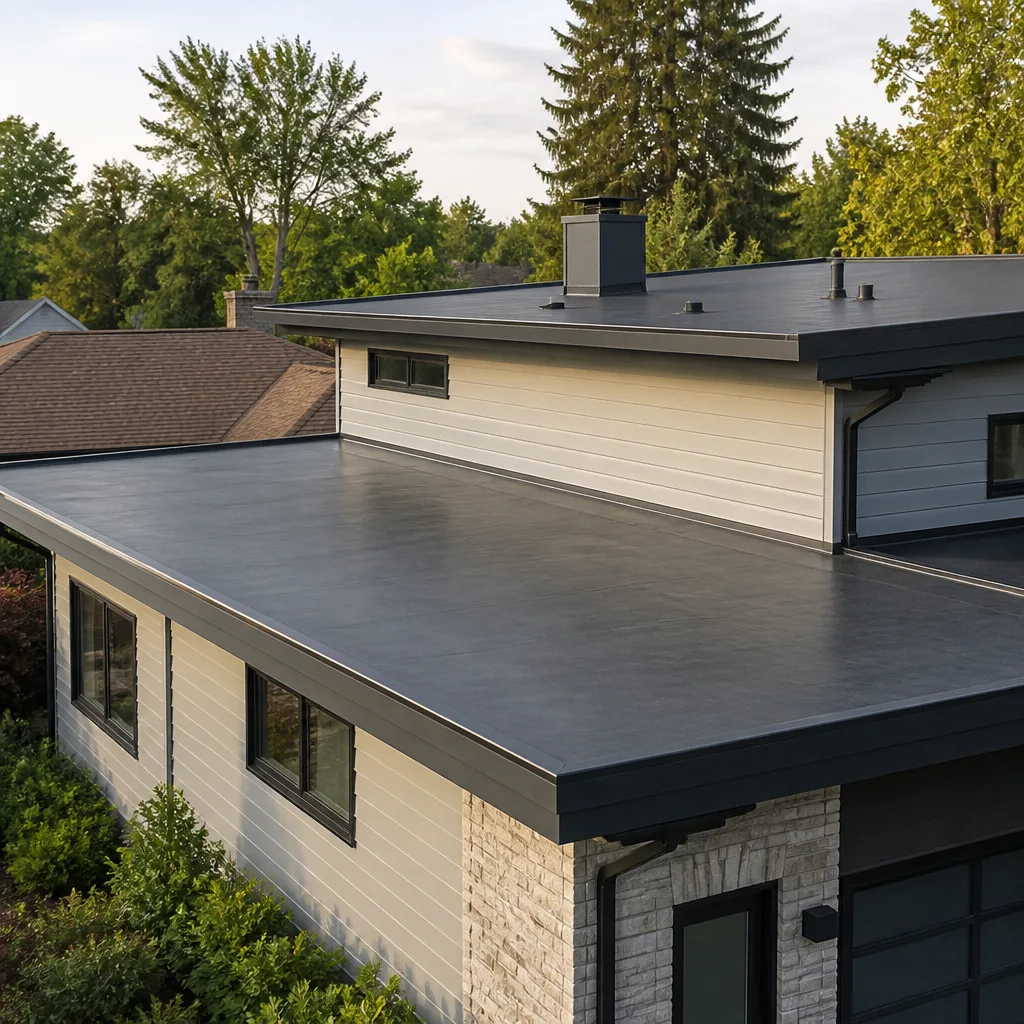
Fort Lauderdale has thousands of ranch-style homes built between 1950 and 1975 with flat or very low-slope roofs. Neighborhoods like Imperial Point, Coral Ridge Isles, and parts of Wilton Manors have entire blocks where the roof pitch is under 2:12, meaning the roof rises less than 2 inches for every 12 inches of horizontal run. That shallow pitch changes everything about how the roof should be maintained.
A pitched roof sheds water by gravity. Most of the water runs off quickly, and what remains evaporates. A flat or low-slope roof relies on a continuous waterproof membrane to keep water out, because the water doesn’t rush off. It sits. It ponds. It finds every seam, every lap joint, every penetration where a pipe or vent comes through the decking. That’s why flat-roof maintenance in Fort Lauderdale is fundamentally different from shingle maintenance.
- Inspect after every major storm, not just annually. Debris accumulates on flat roofs because there’s no slope to carry it away. A branch or palm frond that sits on a membrane seam can physically abrade the surface over weeks, creating a leak point.
- Check drains and scuppers monthly during the wet season. A clogged roof drain on a flat roof means standing water measured in inches, not puddles. That water weight adds load your decking may not be engineered for.
- Look for membrane wrinkles and seam separation. UV and heat cause the membrane to expand and contract. Over time, seams can open small gaps that become leak channels during the afternoon downpours Fort Lauderdale gets from May through October.
- Recoat on the manufacturer’s schedule, not when it looks bad. Modified bitumen and some single-ply membranes need periodic recoating to maintain UV resistance. Waiting until the surface looks deteriorated usually means the underlying membrane has already started degrading.
Flat-roof logic also applies to the attachments. Satellite dishes, solar panels, HVAC equipment, and plumbing vents all penetrate the membrane. Each penetration is a potential leak point, and on a flat roof in Fort Lauderdale, a leak at a penetration is the most common source of interior water damage we see. If you’re adding equipment to a flat roof, the penetration flashing should be specified and installed by someone who understands low-slope waterproofing, not by whoever sold you the satellite dish.
The Warranty Question to Ask Before Signing Anything
There’s one question that changes the entire trajectory of a roofing project, and almost nobody asks it. The question is exactly this: “What is the manufacturer’s workmanship warranty, and is it registered in my name?”
Here’s why it matters. Roofing warranties come in two layers. The first is the manufacturer’s material warranty, which covers defects in the shingle, tile, or membrane itself. The second is the workmanship warranty, which covers the quality of the installation. The manufacturer’s workmanship warranty is the one that matters most, because installation errors cause more roof failures in Fort Lauderdale than defective materials ever do. A shingle that fails because it was nailed in the wrong place, or a flashing that leaks because it was lapped incorrectly, is not a material defect. It’s a workmanship failure. If the manufacturer’s workmanship warranty is not registered in your name, you have no recourse with the manufacturer for an installation error. You’re entirely dependent on whether the contractor chooses to stand behind the work.
Registration is not automatic. It requires the contractor to submit documentation to the manufacturer within a set window after installation. Many contractors skip this step because it’s paperwork and because an unregistered warranty means the homeowner has fewer options if something goes wrong. When we complete a roof in Fort Lauderdale, the warranty registration is part of the job, not an optional add-on. The homeowner receives written confirmation that the warranty is registered in their name before the crew leaves the property.
The second critical warranty fact: not all warranties transfer if you sell the home. GAF’s Golden Pledge and CertainTeed’s SureStart programs have specific transfer provisions. If you might sell your Fort Lauderdale home within the warranty period, ask about transferability before you sign. A non-transferable warranty has zero value to a buyer, and zero value to you at resale.
What Roofing Costs in Fort Lauderdale: Real Numbers
Let’s talk real dollars in the Fort Lauderdale market, not national averages that never match local reality. South Florida labor costs, building code requirements, and material pricing for hurricane-rated products all push pricing higher than national medians. Here’s what we quote in 2025 for typical Fort Lauderdale homes.
| Roofing Component | Typical Cost Range (Fort Lauderdale Market) |
|---|---|
| Asphalt shingle roof replacement (1,800 sq ft home) | $9,500 – $18,000 |
| Concrete tile roof replacement (1,800 sq ft home) | $22,000 – $38,000 |
| Metal standing seam replacement (1,800 sq ft home) | $18,000 – $34,000 |
| Flat/low-slope roof replacement (1,200 sq ft section) | $7,500 – $14,000 |
| Roof repair (minor, localized leak) | $350 – $900 |
| Roof repair (flashing replacement, chimney chase) | $600 – $1,600 |
| Roof repair (structural decking replacement) | $1,800 – $4,500 |
| Full underlayment replacement (tile roof, re-bed/re-point) | $5,000 – $9,000 |
| Roof inspection (no repairs) | $150 – $350 |
| Wind mitigation inspection | $75 – $175 |
These ranges reflect what we see in the Fort Lauderdale market for code-compliant work with proper documentation. A quote significantly below these ranges in Fort Lauderdale usually means one of three things: the contractor is not pulling permits (which creates problems with insurance and resale), the materials are not Florida Product Approved, or the scope is missing critical components like drip edge, proper underlayment, or fastener upgrades. All three shortcuts cost more than they save.
For minor repairs, most asphalt-shingle repairs in Fort Lauderdale run between $350 and $900. Flashing work around chimneys, vent pipes, and wall intersections runs $600 to $1,600 depending on accessibility and the extent of the corrosion or damage. When decking has rotted underneath, which is common in Fort Lauderdale due to humidity and past leaks, replacement adds $1,800 to $4,500 depending on square footage and accessibility. These are the numbers we give homeowners before they commit to anything, and you should expect the same from roof repair in Fort Lauderdale specialists. A written price before any work starts should be the rule, not the exception.
For full replacements, the biggest variable is not square footage. It’s decking condition, roof pitch, and number of penetrations. A simple ranch with a 4:12 pitch and three pipe penetrations will price at the low end. A two-story home with multiple valleys, dormers, skylights, and a steep pitch will price at the high end. Anyone who quotes a replacement price without inspecting the decking and measuring the roof is guessing, and in Fort Lauderdale, guessing is expensive.
Common Mistakes to Avoid
- Accepting a quote without a written scope of work. A verbal price is not a contract. If the scope isn’t written, the contractor can change scope mid-project and you have no written basis to object. Get the written price before any work starts.
- Choosing materials based on upfront cost alone. A cheap shingle in Fort Lauderdale’s UV and salt air climate will fail years earlier than a mid-grade shingle with better wind and UV ratings. The savings disappear when you replace the roof again in 12 years.
- Skipping the wind mitigation inspection. If you have an older roof that was installed properly, a wind mitigation inspection can reduce your premium without any roof work. Skipping it leaves money on the table every single year.
- Not confirming Florida Product Approval numbers before installation. Broward County inspectors verify product approvals. If your contractor installs materials without current approvals, the inspection fails, and you’re stuck with a half-finished job and a stop-work order.
- Believing “we’ll handle the permit” without seeing the permit number. Any legitimate Fort Lauderdale roofer pulls permits. Ask for the permit number before work begins. If they can’t produce it, they haven’t pulled it.
- Ignoring fastener specifications. In Fort Lauderdale, standard fasteners corrode quickly. Marine-grade or heavily galvanized fasteners cost more but are essential within several miles of the coast. Confirm the fastener spec is written into your quote.
- Not asking about warranty registration. An unregistered manufacturer’s workmanship warranty is worthless. Confirm registration in your name before final payment.
When to Call a Professional
Some roofing situations in Fort Lauderdale are clear signals to stop and call someone who does this every day. Water staining on your ceiling after a storm, even if it dries quickly, means water is entering somewhere. By the time you see the stain, the water has already traveled through the decking or drywall, and the damage is under way. Granules from asphalt shingles collecting in your gutters mean the shingle surface is degrading and will not protect the underlying mat from UV for much longer. Lifted or missing shingles after a storm expose the underlayment to direct water entry. Cracked or displaced tiles on a tile roof mean the waterproof underlayment below is now the only thing keeping water out, and that underlayment was never designed for long-term direct exposure. If you see any of these, call a professional before the next storm does what the last one started. Roof replacement in Fort Lauderdale is not a project you want to defer once decking rot begins, because the repair scope grows with every passing storm season.
Tilehurst Roofing Fort Lauderdale offers free estimates across Fort Lauderdale with a written price before any work starts. Call (754) 732-9325 and a live person answers, 24 hours a day, 7 days a week.
Frequently Asked Questions
An asphalt shingle roof replacement for an average 1,800-square-foot Fort Lauderdale home runs $9,500 to $18,000, concrete tile runs $22,000 to $38,000, and standing seam metal runs $18,000 to $34,000. Your specific price depends on decking condition, roof pitch, number of penetrations, and material selection. Call (754) 732-9325 for a free written estimate at your Fort Lauderdale home.
Asphalt shingle roofs with proper installation and ventilation typically last 18 to 25 years in Fort Lauderdale, concrete tile roofs 30 to 50 years, and metal roofs 40 years or more. Salt air and UV exposure shorten lifespan compared to inland Florida, especially if fasteners were not specified for coastal conditions and the workmanship warranty was never registered.
Metal standing seam with marine-grade fasteners offers the best overall performance in Fort Lauderdale’s salt air, UV, and storm environment, followed by concrete tile for heat reflection and wind resistance, with asphalt shingles remaining the most common and most cost-effective choice. The correct answer depends on your roof’s slope, your home’s structural capacity, and your long-term plans.
You can, but you shouldn’t. Fort Lauderdale requires building permits and inspections for roof replacement, product approval documentation must be on file, and roof work is genuinely dangerous. A fall from a Fort Lauderdale roof means a hospital visit or worse. Hiring a licensed contractor with insurance protects you from both the structural and personal risk. We handle the permitting process as part of the job, and every inspection is completed before final payment is due.
Yes, in most cases. A new roof installed to current Florida Building Code with documented wind mitigation features (secondary water barrier, proper nail pattern, hurricane-rated attachments) typically reduces wind premiums by hundreds of dollars annually. The key is documentation: your wind mitigation inspection must confirm the installation details, which is why you want a contractor who provides this paperwork as standard practice. Call (754) 732-9325 to discuss your specific insurance situation.
Look for missing shingles, lifted shingle edges, cracked or displaced tiles, granules collecting in gutters, dented metal, water stains on interior ceilings, and daylight visible through the attic. After any named storm, have a professional inspection even if nothing looks wrong from the ground. Storm damage in Fort Lauderdale is often hidden in the underlayment or decking and only becomes visible after a subsequent storm finds the weakened area.
See the difference
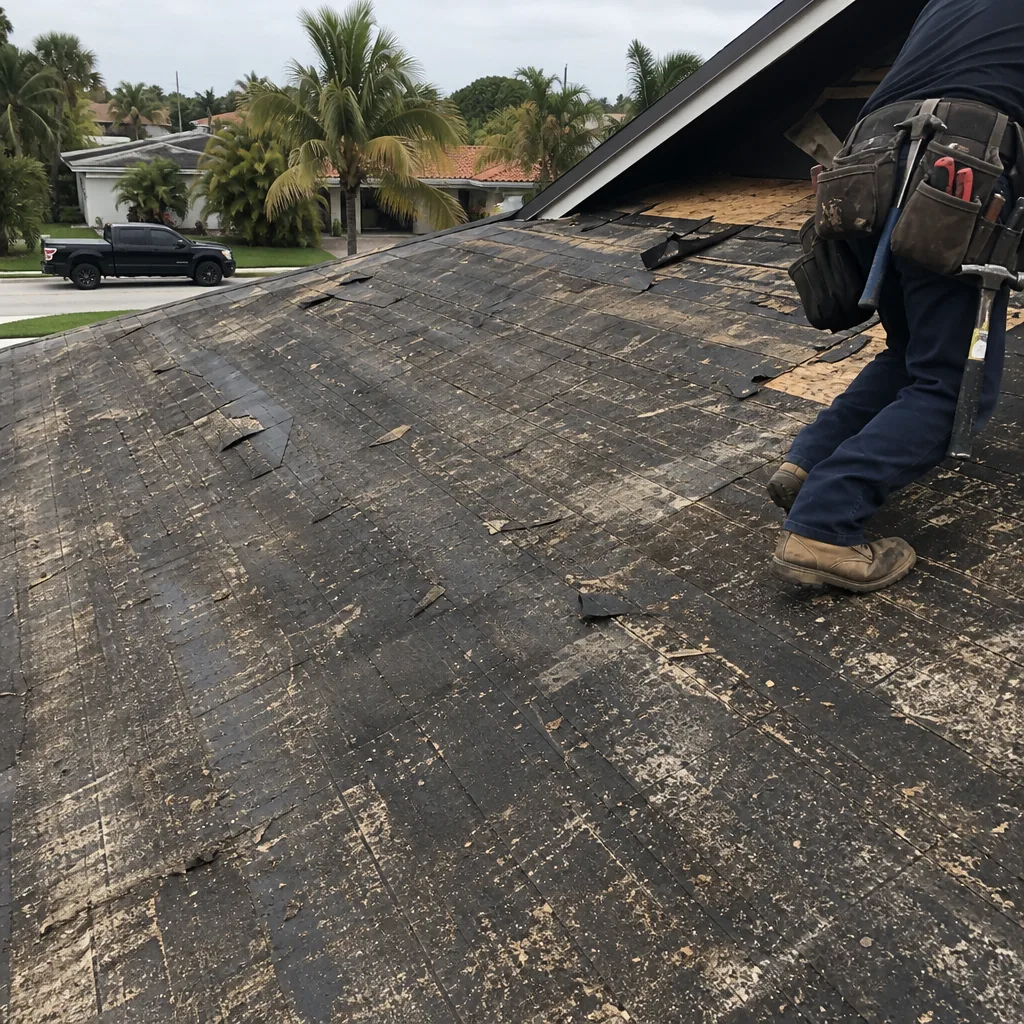 Before
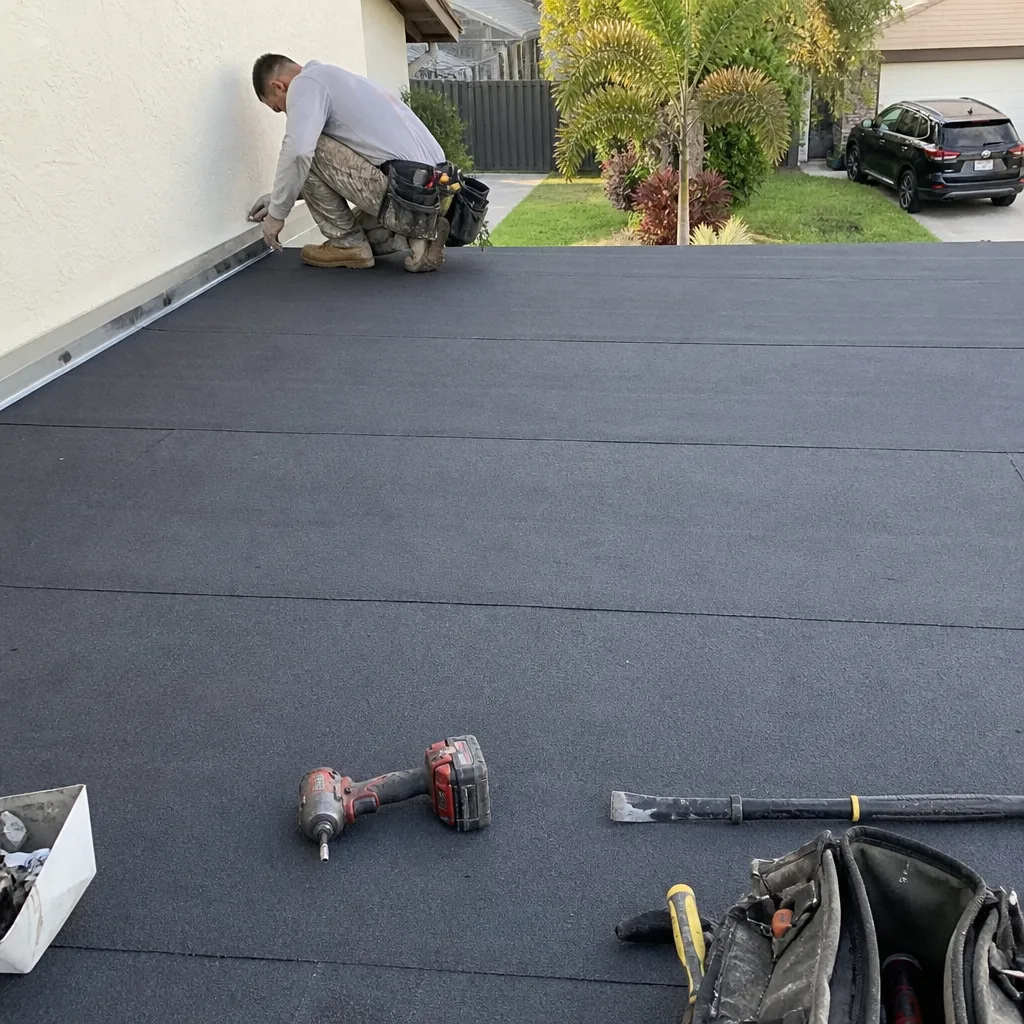 After
After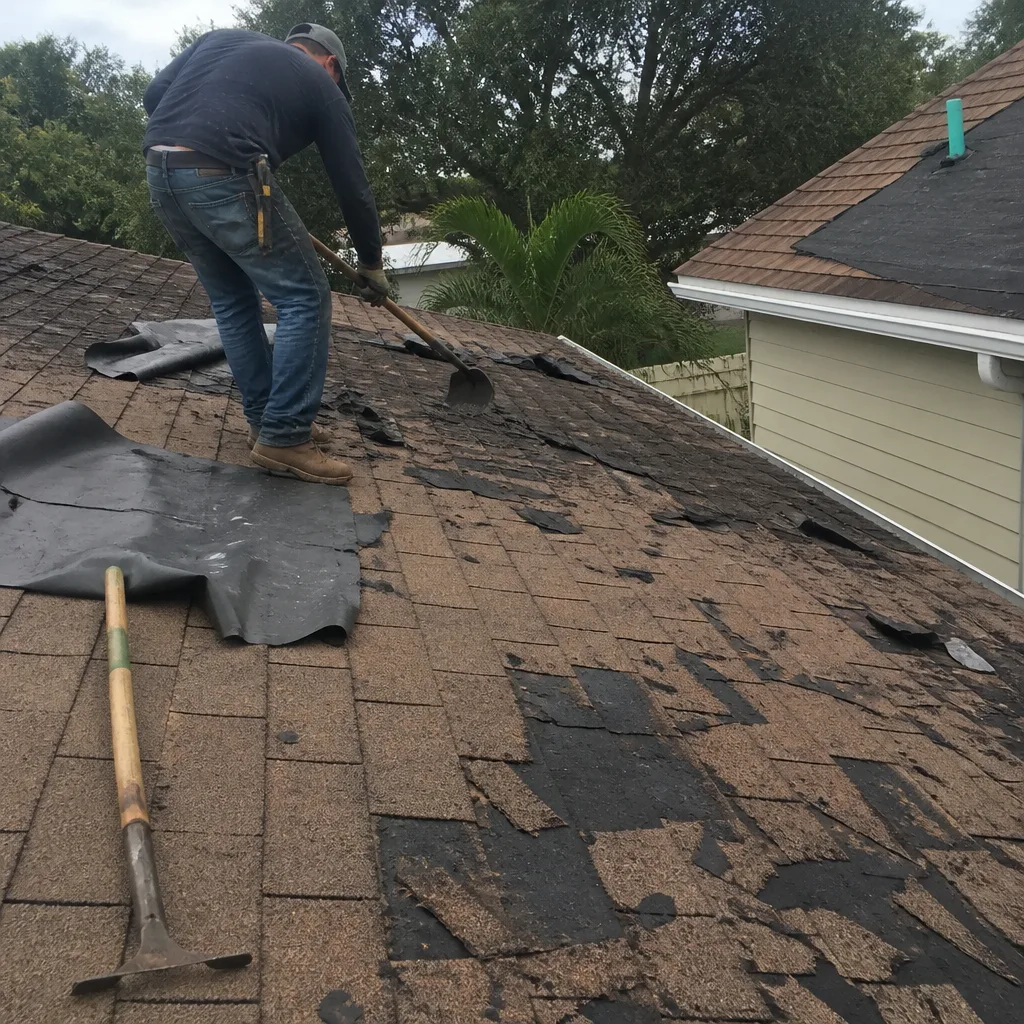 Before
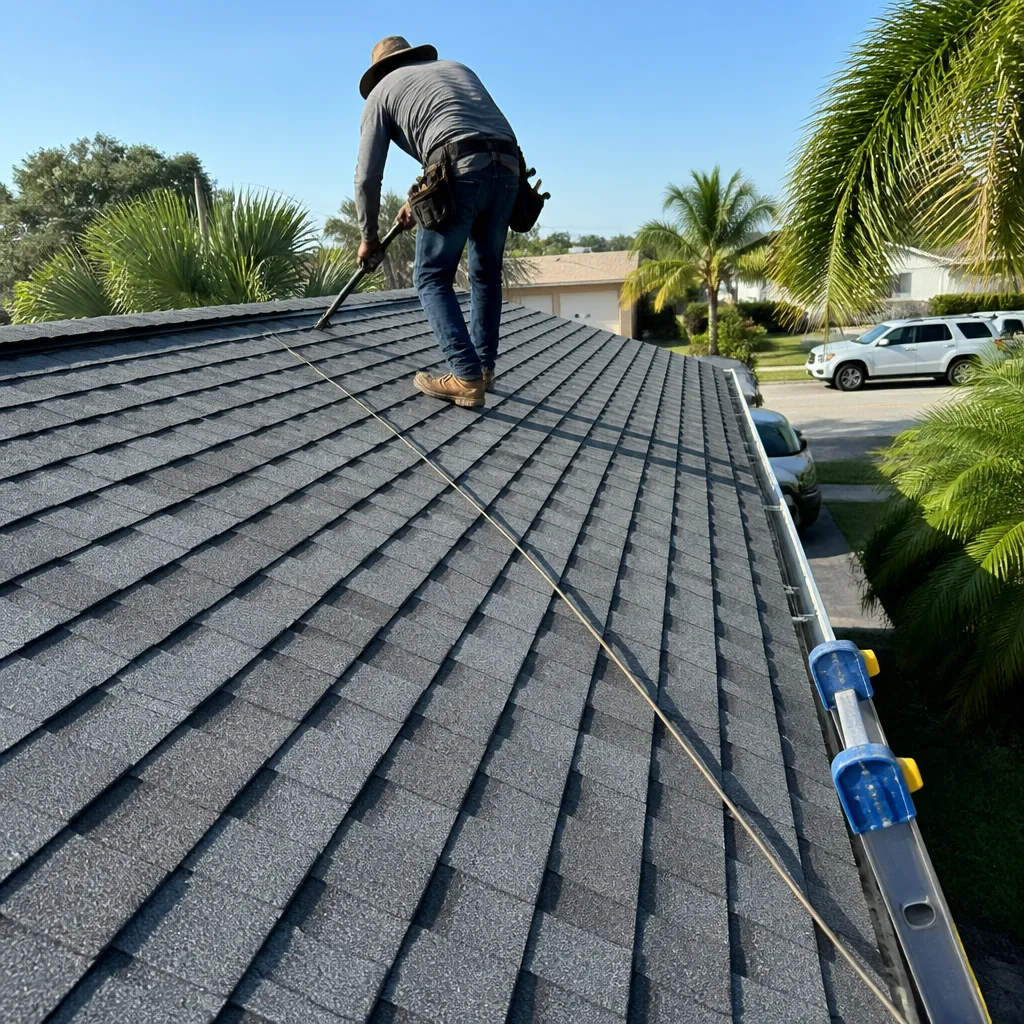 After
After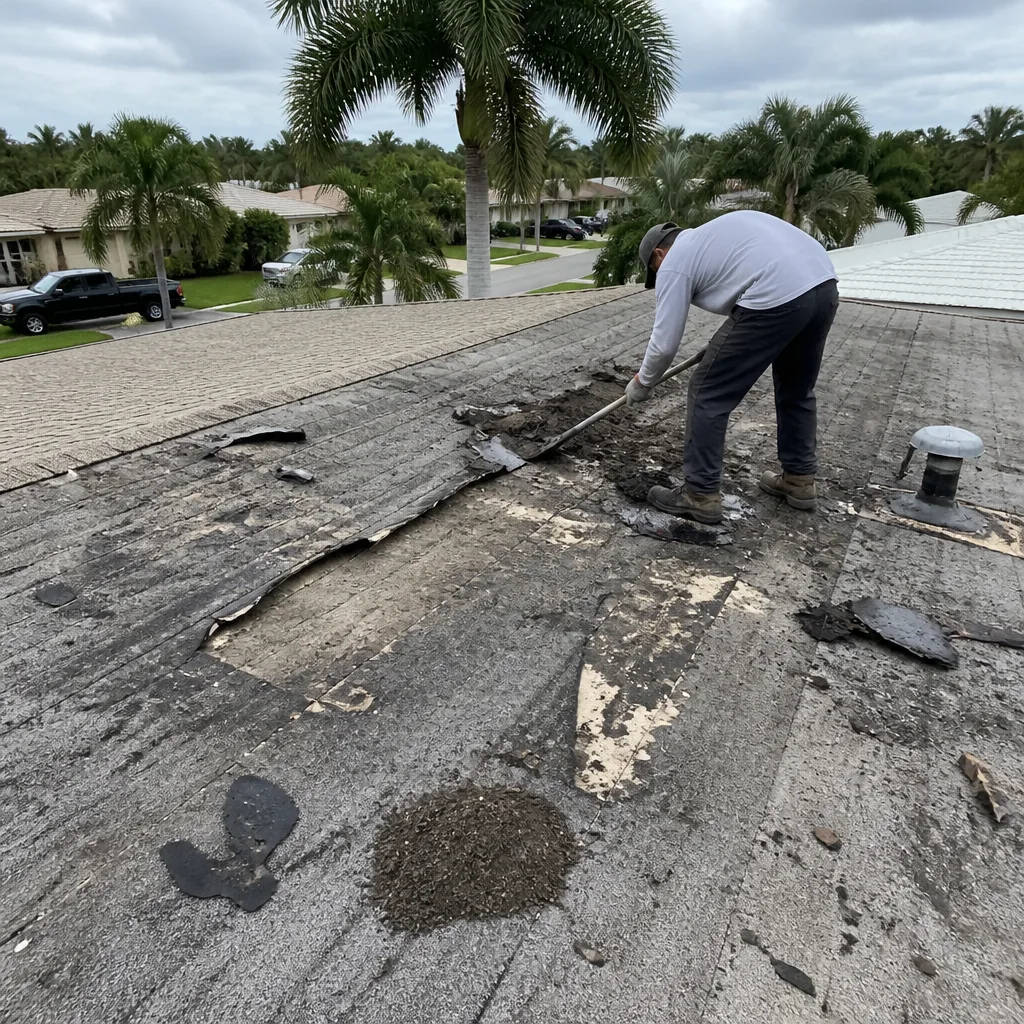 Before
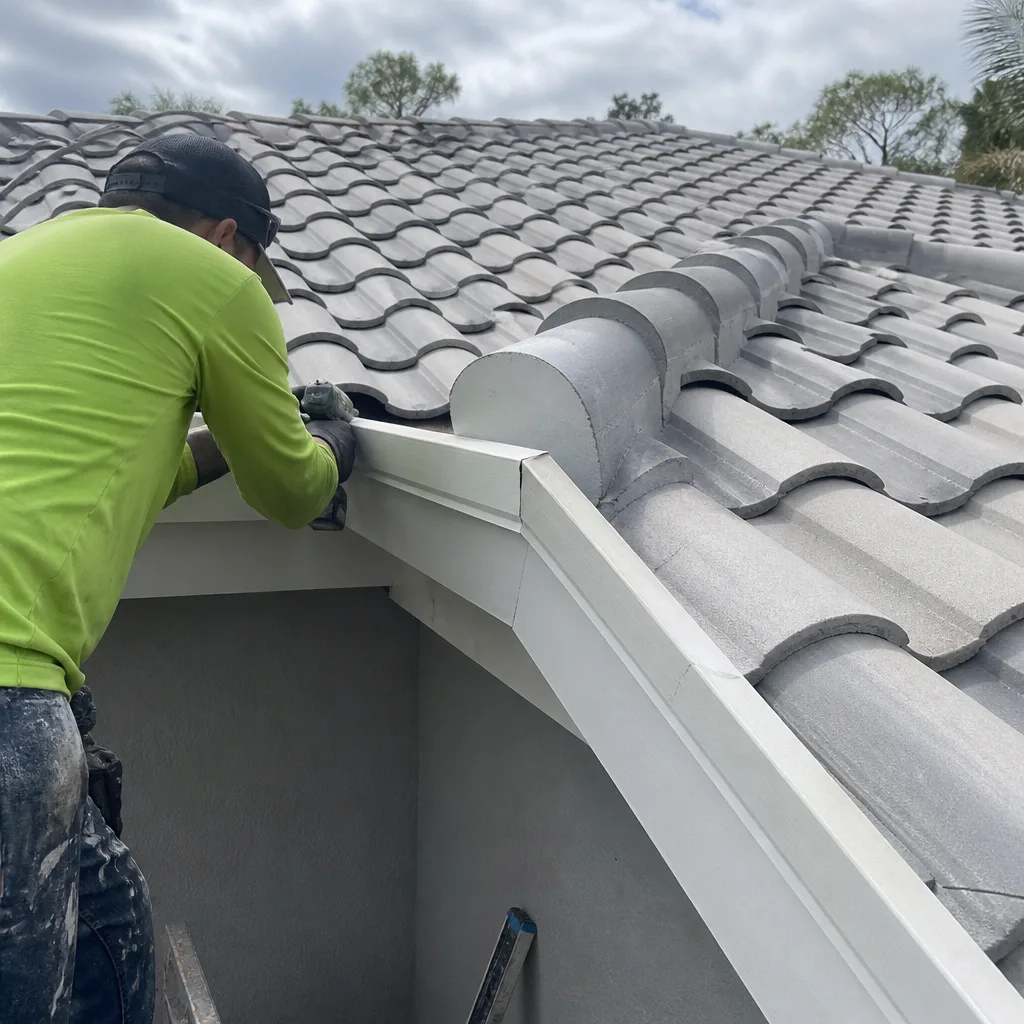 After
AfterCommon Mistakes to Avoid
We’ve covered the major mistakes in the section above, and you can find more guides & resources on our blog. The short version: get everything in writing, don’t buy on price alone, verify product approvals, confirm warranty registration, and never accept verbal promises in place of written documentation. Fort Lauderdale’s climate punishes shortcuts, and Florida’s insurance market punishes roofs without paper trails.
The Bottom Line
Your roof in Fort Lauderdale is a financial decision as much as a structural one. The salt air, the afternoon storms, the insurance premium calculations, and the permitting requirements all point toward the same conclusion: the cheapest roof is never the least expensive. What saves money is a roof installed to current code with coastal-grade fasteners, Florida Product Approved materials, documented wind mitigation features, and a manufacturer’s workmanship warranty registered in your name. You can start at the Tilehurst Roofing Fort Lauderdale home page to learn more about how we approach every job: written price before any work starts, live person answering every call, and a written guarantee on every repair. The Kingswell Way puts the price in your hands before we touch your roof, and we put the guarantee in writing before the crew leaves. That’s how roofing should work in Fort Lauderdale.
Call (754) 732-9325 for a free estimate. A live person answers, day or night.
Written by Greg Holloway, Owner at Tilehurst Roofing Fort Lauderdale, serving Fort Lauderdale since 2000.