
Last updated October 17, 2026
 Metal roofing
 Architectural shingles
 Tile roofing
 GAF
GAF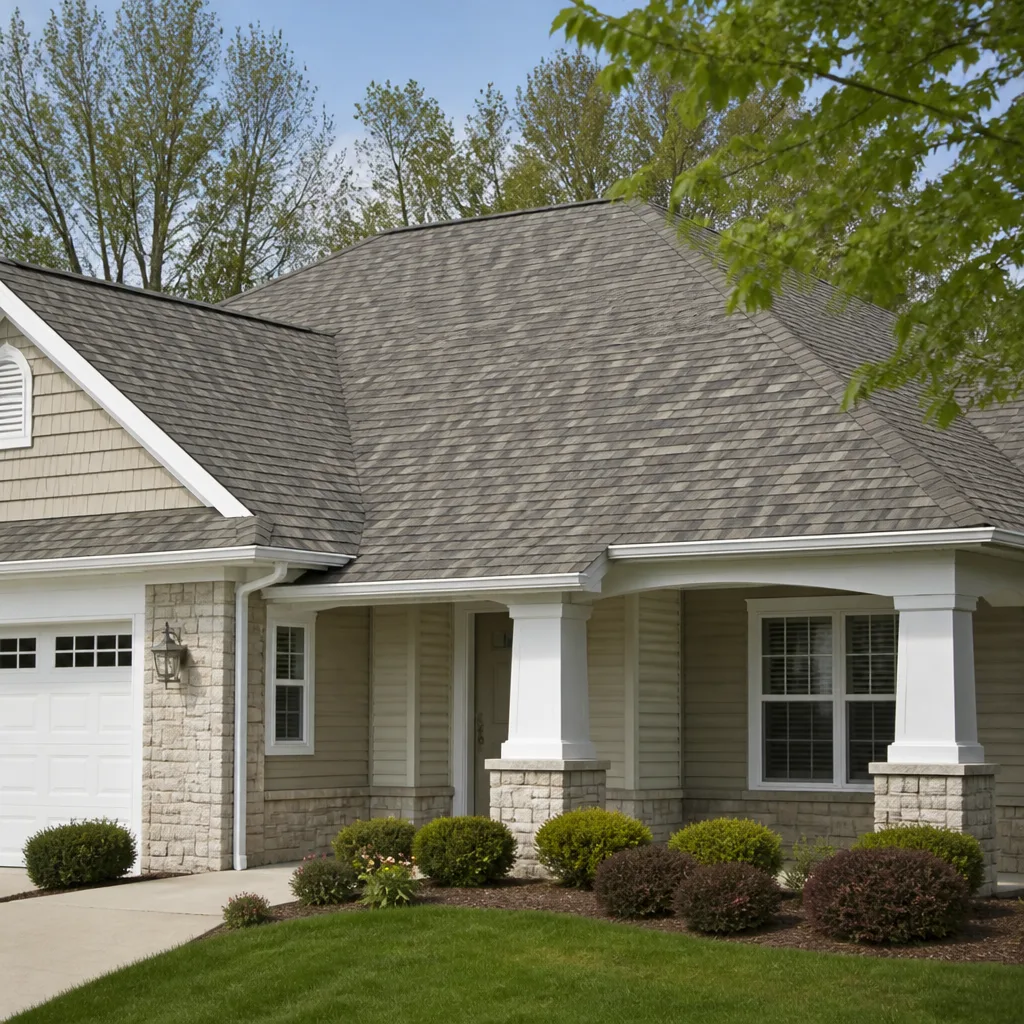 Owens Corning
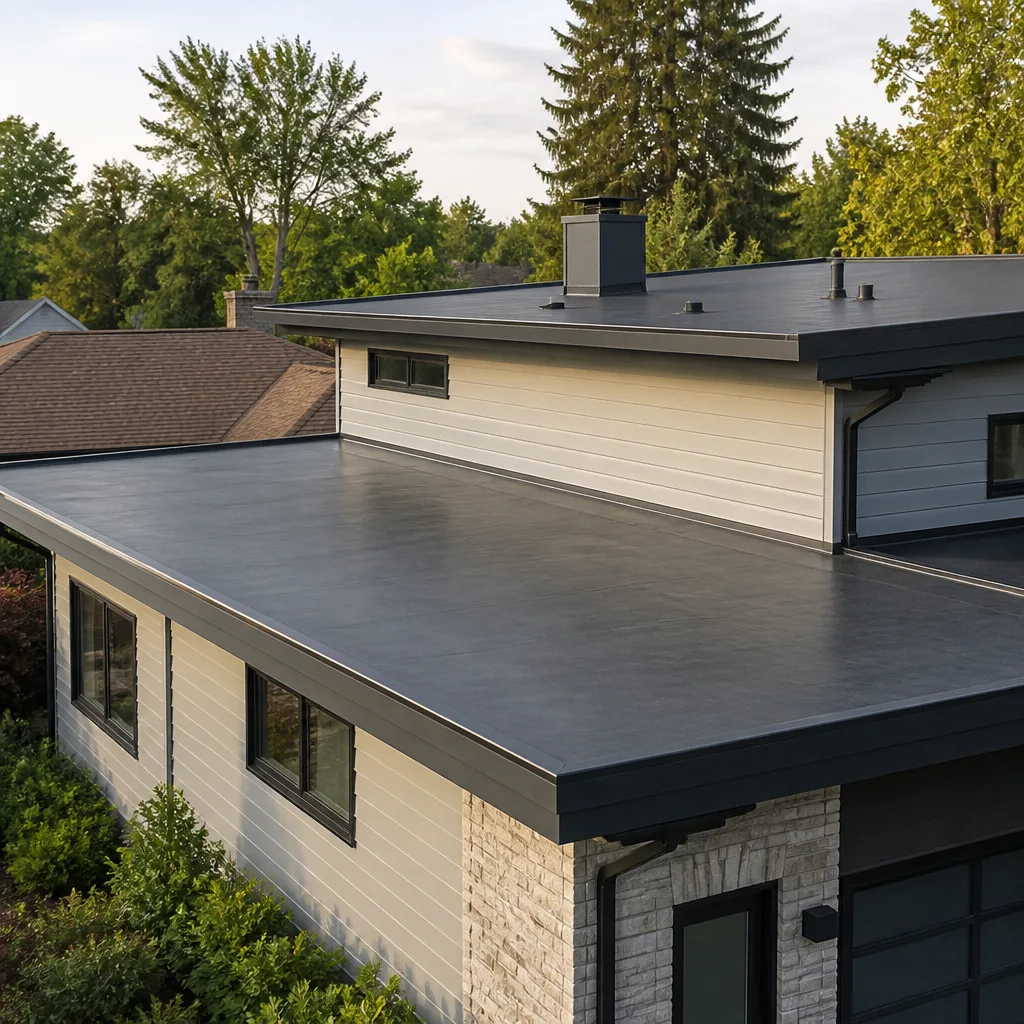 Flat & low-slope
Free roof inspection with deck photos before we talk money - GAF and Owens Corning certified installation
Roofing Company Maintenance Checklist for Fort Lauderdale Homeowners
A clean-looking roof in April can be six weeks from a leak. Fort Lauderdale’s dry season, which runs from roughly November through May, hides the slow damage that becomes obvious the moment the first heavy June rain arrives. Algae roots work into tile and shingle surfaces all winter while the sun bakes everything hard. Micro-cracking develops along seams and flashing points without a single drop of water to call attention to it. This guide gives you a maintenance checklist built specifically for the wet-dry cycle that shapes every roof in Fort Lauderdale, so you can hand it to any contractor and know exactly what you’re paying for. You’ll learn which checks matter before the rains start, which ones matter after hurricane season, how to verify the work was actually done, and how to document everything in a format your insurance company and a future buyer will respect.
Styles & brands we work with
Quick Answer
A proper Fort Lauderdale roof maintenance checklist splits into two visits each year: an April – May pre-rainy season inspection focused on flashing, sealants, and algae damage, and a November post-hurricane season inspection focused on wind-lifted materials, debris in scuppers, and hidden water intrusion. The most important items to verify on any maintenance visit are pipe boot sealant condition, valley and wall flashing adhesion, gutter and scupper clearance, ridge cap mortar on tile roofs, and visible algae staining that signals deeper structural moisture. Document every visit with dated photos and a written report, because that record is what insurance adjusters and home buyers actually want to see.
Table of Contents
- Why Fort Lauderdale Roofs Fail Differently
- Pre-Rainy Season Checklist: April to May
- Post-Hurricane Season Checklist: November
- How to Verify a Maintenance Visit Actually Included Flashing Inspection
- What Algae Streaking on Concrete Tile Signals (and When Cleaning Makes It Worse)
- Flat Roof Gutter and Scupper Checks After Trades-Wind Debris Seasons
- How to Document Maintenance for Insurance Claims and Buyer Disclosure
- Common Mistakes to Avoid
- When to Call a Professional
- Frequently Asked Questions
- The Bottom Line
Why Fort Lauderdale Roofs Fail Differently
Fort Lauderdale sits in a subtropical climate with two distinct seasons that punish roofs in opposite ways. The wet season, May through October, delivers afternoon thunderstorms, high humidity, and the constant threat of tropical weather. The dry season, November through April, brings lower humidity, intense sun, and steady ocean breezes. That cycle matters because it creates six specific failure points that a generic maintenance checklist won’t catch.
First, the dry season drives moisture out of roofing materials unevenly. Tile and shingle expand and contract as temperatures swing from warm days to cooler nights. Over several dry seasons, that movement creates hairline cracks along nail lines, under ridge caps, and at flashing transition points. Those cracks aren’t visible from the ground, and they don’t leak during the dry months because there’s no water to find them. When the first heavy June rain arrives, water follows those micro-cracks straight to the decking.
Second, Fort Lauderdale’s warm, humid air feeds algae growth year-round. The blue-green algae you see as dark streaks on roofs isn’t just a cosmetic issue here. Those streaks are colonies of gloeocapsa magma and similar organisms that extend root-like filaments into the surface of shingles and concrete tiles. Those roots hold moisture against the material. During the dry season, that trapped moisture expands and contracts at a different rate than the surrounding material, accelerating surface breakdown. By the time the wet season returns, the affected areas are measurably weaker than intact sections.
Third, flat roofs in Fort Lauderdale neighborhoods like Victoria Park, Rio Vista, and Coral Ridge rely on scuppers and internal drains that collect debris faster than pitched roofs. After weeks of trades-wind season, palm fronds, sea grapes, and plastic debris pile up against parapet walls and in gutter runs. A blocked scupper on a flat roof doesn’t just cause ponding water; it adds hundreds of pounds of weight in exactly the spots the roof structure wasn’t designed to hold it for weeks at a time.
Fourth, salt air from Fort Lauderdale’s coastline accelerates corrosion on metal flashing, fasteners, and pipe boots. What takes 20 years to corrode inland might take 12 years here. Maintenance schedules written for other climates simply don’t account for that pace.
Fifth, the intense UV exposure in South Florida breaks down sealants and adhesives faster than in more temperate regions. Pipe boot collars crack. Roof cement at curb flashings brittles and pulls away. Caulk around skylight frames loses adhesion. None of these failures happen suddenly; they develop gradually through repeated dry-wet cycles.
Sixth, Fort Lauderdale’s building codes require specific underlayment and attachment standards that older homes may not meet. Homes built before the 2001 Florida Building Code and the post-Wilma 2007 revisions often have roofs that were adequate for their era but are now one strong storm away from significant damage. A maintenance visit isn’t just about what’s broken today; it’s about identifying what’s not up to current code before it becomes an emergency.
This is the kind of context that matters when you’re hiring a roofing company in Fort Lauderdale to handle inspections. A crew that understands the local failure cycle will look for different things than one running a generic national checklist.
Pre-Rainy Season Checklist: April to May
The pre-rainy season visit is the most important maintenance call a Fort Lauderdale homeowner makes all year. This is the window, ideally April through mid-May, when you catch dry-season damage before the first heavy storms put water against it. Here’s the full checklist in order of priority.
- Flashing inspection at every penetration and transition. Pipe boots, vent collars, skylight frames, chimney flashings, wall flashings, and valley flashings all get checked for cracks, lifted edges, lost sealant, and corrosion. On tile roofs, the crew should lift the tiles around each penetration to inspect the underlayment underneath.
- Sealant condition check. Every bead of roof cement, caulk, and mastic product at flashing corners, counter-flashing seams, and pipe boot collars gets visually inspected and manually probed. In Fort Lauderdale, sealant failures account for a large share of roof leaks, and most are preventable with early replacement.
- Algae and biological growth assessment. The crew maps all dark streaking and moss-like growth. Each area gets photographed and measured. This record matters because you want to track whether growth is spreading and whether it’s affecting more than the surface.
- Ridge cap and hip tile check. On concrete and clay tile roofs, ridge cap mortar breaks down faster in South Florida’s UV than anywhere else in the continental U.S. Loose ridge caps are a common source of wind damage and water intrusion at the very top of the roof.
- Gutter, downspout, and scupper clearance. All drainage paths get cleared of accumulated debris. The crew physically checks that water can flow from the roof edge to the ground without obstruction.
- Dry rot and decking check. Any areas that showed staining or moisture in previous visits get a closer look, including from the attic side where accessible. Fort Lauderdale homes with cathedral ceilings or closed soffits may need an interior moisture reading in suspect areas.
- Shingle and tile surface inspection. Cracked, curled, missing, or slipped materials get identified and documented. On asphalt shingle roofs, the crew checks for granule loss at drip edges and in valleys, and for nail pops that indicate movement under the shingle.
- Drip edge and eave flashing verification. Drip edge is the metal strip along the roof’s edge that directs water away from the fascia board. In Fort Lauderdale’s heavy downpours, missing or improperly installed drip edge allows water behind gutters and into soffits.
- Underlayment condition spot-check. With tile roofs, the crew lifts tiles at the eaves and at two or three mid-field locations to check the underlayment; the water-shedding layer beneath the visible surface. Degraded, brittle, or absent underlayment means the roof is no longer waterproof even if the tiles look fine.
- Skylight and solar panel perimeter seals. If you have either, the perimeter sealant and flashing details around every unit get checked including the lag bolt attachment points where available.
This pre-rainy season visit at Tilehurst Roofing Fort Lauderdale home always ends with a written report and dated photos. If anything needs repair, the price is in writing before any work starts. That’s the only way to make an informed decision about June readiness.
Post-Hurricane Season Checklist: November
November is the reset point for Fort Lauderdale roofs. The following checks matter after the storm season has passed, and they’re different from the April checks because they focus on wind and water damage that’s already happened, not on preparing for rain to come.
- Wind-lift inspection. Look for shingles or tiles that lifted at the edges and didn’t reseat. Walk the roof surface and lightly press on suspect areas. A lifted shingle seal or a tile with broken lug fasteners will sound different and move independently. These are the first pieces to fly off in the next wind event.
- Flashing pull-away check. High winds work sheet-metal flashings loose at nail lines and counter-flashing points. Every flashing gets physically tugged at the edges. Any movement that wasn’t noted in the April report means new fasteners or replacement.
- Scupper and internal drain test. On flat roofs, the crew runs water into each scupper and drain to verify flow. Blockages from hurricane debris, especially palm fronds, are common and often invisible from the parapet edge.
- Ponding water check. Standing water that remains 48 hours after the last rain indicates low points where the decking has settled or the insulation has compressed. This is one of the most overlooked signs of structural deflection on Fort Lauderdale flat roofs.
- Fastener and nail pop inspection. On asphalt shingle roofs, wind and temperature movement push nails up through the shingle surface. Exposed nail heads are water-entry points. Each one needs resealing, and clusters of popping nails often signal the underlayment has been working loose.
- Tile crack and breakage survey. Post-storm cracking in concrete tiles is more than cosmetic. A hairline crack in a concrete tile will admit water to the underlayment, and in Fort Lauderdale’s summer rain volumes, that underlayment degrades quickly.
- Debris removal at all roof intersections. Not just gutters. Debris collects at wall intersections, behind chimneys, around skylights, and on flat-roof parapet corners. That debris holds moisture against roofing materials and accelerates deterioration into the dry season.
- Attic inspection for water staining. If the home has accessible attic space, the November visit should include a check from underneath. Dark staining on the underside of the decking, rusted nail points, or damp insulation indicate water got in during the storm season even if no visible leak appeared inside the living space.
Homeowners in neighborhoods closer to the water, like Lauderdale Beach, Harbor Beach, and Las Olas Isles, should pay special attention to the wind-lift and fastener checks. Those areas get higher sustained winds than inland Fort Lauderdale neighborhoods.
How to Verify a Maintenance Visit Actually Included Flashing Inspection
Here’s the uncomfortable truth: most roof maintenance visits are visual walkovers from the ground or a quick stroll across the roof surface. Flashing, the metal or sealant material at every seam, penetration, and transition point, is where the majority of South Florida roof leaks originate. It’s also the most commonly skipped inspection item because it takes time and physical access. You can’t verify flashing from 20 feet below with binoculars.
Here’s how to know whether a contractor actually inspected the flashing on your Fort Lauderdale roof.
- Ask for photos of specific flashing points. The report should include close-up photos of pipe boots, valley flashings, wall-to-roof intersections, and any chimney or skylight flashings. If the only photos are wide shots of the roof surface, the flashing didn’t get inspected.
- Ask what was physically touched. Flashing inspection is tactile. The technician should have run a finger along sealant beads to check for brittleness, lifted shingles at flashing edges, and pressed on counter-flashing to check for movement. Ask directly: “Did anyone lift material at the flashing points, or just look?”
- Look for attic-side notes. A legitimate flashing inspection includes checking the underside of the decking in the attic at leak-prone points, at least in accessible areas. Dark staining or rusted nail tips around the attic’s inner surface near pipe penetrations is evidence the flashing has been failing. If no attic notes appear in the report, ask why.
- Request a moisture-probe reading. At minimum, the crew should probe the decking and masonry around any suspect flashing point. If the answer is “we don’t carry moisture meters on maintenance visits,” that’s a red flag.
- Ask which flashings were resealed. Some flashings need resealing every maintenance visit in this climate. Pipe boots and skylight perimeter seals are the usual suspects. If the answer is “none were needed” every single year, you’re probably not getting the full inspection.
Tilehurst Roofing Fort Lauderdale includes flashing inspection as a non-negotiable part of every maintenance and roof repair in Fort Lauderdale. The report shows what was touched, what was probed, what was sealed, and what got passed. That’s the documentation standard to hold any contractor to.
What Algae Streaking on Concrete Tile Signals (and When Cleaning Makes It Worse)
Dark streaks on concrete tile roofs in Fort Lauderdale are so common that many homeowners write them off as normal. They are normal, in the sense that the warm, humid South Florida climate makes algae growth nearly unavoidable. But the streaking itself is a signal, and the signal matters more than the stain.
The algae that causes those dark streaks, gloeocapsa magma, and related blue-green algae species, anchors itself with a filamentous root structure. Those roots penetrate the porous surface of concrete tile. They hold moisture at the tile’s surface. During Fort Lauderdale’s dry season, that trapped moisture cycles through wet and dry states as morning dew settles and afternoon sun bakes it off. That cycling stresses the tile’s cement matrix. Over several dry seasons, the affected areas develop surface micro-checking: fine cracks that water can enter. The algae streak isn’t just a stain; it’s a map of where the tile’s surface is degrading faster than the surrounding areas.
Structurally, here’s what tells the difference between cosmetic and meaningful algae growth:
- Light, uniform streaking across most of the roof suggests surface-level growth that hasn’t significantly compromised the tile yet. Still worth monitoring.
- Dark, blotchy patches that follow specific water paths, like beneath overhanging branches or along shaded north-facing slopes, indicate those areas hold moisture longer. Those tiles are at higher risk of micro-checking.
- Streaking combined with visible surface pitting or pockmarking means the tile face has already begun to lose material. That’s structural erosion.
- Streaking present on the roof’s underlayment after a tile is lifted indicates the algae roots have grown through the tile’s full thickness or that moisture has reached the underlayment layer. That’s a genuine structural concern.
Now, about cleaning. Pressure washing a concrete tile roof in Fort Lauderdale is one of the fastest ways to destroy it. High-pressure water strips the tile’s surface layer, removes the natural protective patina, and drives water under the tiles into the underlayment. What looks like a clean roof afterward is actually a roof with its tiles’ outer cement layer removed and the water-shedding layer beneath now compromised. Soft washing with a low-pressure chemical treatment is the only appropriate method for tile roofs, and even then it should be done by a company that knows which concentration is safe for concrete tile.
If you’re seeing algae streaks that concern you, get the tiles evaluated before anyone puts a pressure washer on them. A visual and tactile inspection tells you whether the growth is surface-level or indicates deeper moisture problems. Often the right response is chemical treatment and monitoring, not blasting.
Flat Roof Gutter and Scupper Checks After Trades-Wind Debris Seasons
Flat roofs in Fort Lauderdale, on both older mid-century homes and contemporary new construction, work differently from pitched roofs. There’s no slope to shed water quickly. The water is designed to flow to scuppers, the rectangular openings through parapet walls that drain into downspouts, and internal drains. When those paths are blocked, water ponds. Ponding adds weight, accelerates membrane failure, and creates the conditions for leaks in exactly the spots the roof structure is weakest.
Fort Lauderdale’s trades-wind seasons, roughly February through April and again in the fall, fill flat roofs with debris. Palm fronds, sea grape leaves, dried vegetation, and whatever the wind carried over the parapet all end up against scupper openings and in internal drain strainers. Here’s the specific checklist for flat roofs after a heavy debris season.
- Clear every scupper opening by hand. Don’t just look at it from the roof center. Get to the parapet edge and remove debris physically. A scupper can look clear from 20 feet away and be half-blocked with matted vegetation at the opening.
- Check the scupper strainer or grate. Many Fort Lauderdale flat roofs have metal strainers over scupper openings to keep debris from entering downspouts. If the strainer is clogged, the roof drains poorly even though the opening itself looks fine.
- Run water through each drain path. A five-gallon bucket of water poured at the roof’s low point should flow to the scupper and disappear. If it ponds or moves slowly, there’s a blockage or a slope failure.
- Inspect the parapet wall base flashing. Debris that sits against a parapet wall for weeks creates a moisture trap. Check the base flashing and the membrane’s edge for separation, cracking, or bubbling along the entire parapet run.
- Look for the debris line. After the debris is removed, you can often see a tide line: a darker stain showing where wet debris sat against the roof membrane. Mark that line, photograph it, and check those areas more closely on the next visit.
- Check internal drain strainers from below if accessible. Some Fort Lauderdale flat roofs drain through internal pipes. If you can access the clean-out or the point where the pipe exits the building, confirm it’s flowing freely.
A flat roof with functioning scuppers and drains will survive Fort Lauderdale’s rainy season with minimal trouble. A flat roof with half-blocked drainage is actively destroying its own membrane with every afternoon storm.
How to Document Maintenance for Insurance Claims and Buyer Disclosure
Fort Lauderdale homeowners file more roof-related insurance claims than most of the country, and insurers scrutinize maintenance history closely. When you sell a home in Florida, the buyer’s inspector and the buyer’s insurance company will ask about the roof’s condition and history. The documentation you keep is the difference between a smooth process and a denied claim or a sale that falls apart.
Here’s the documentation format that serves you best in both scenarios.
- Dated written report from every maintenance visit. The report should list each checklist item with a finding: passed, repaired, monitored, replaced. A handwritten note that says “roof checked, looks good” has almost no value. A typed report with individual items and findings does.
- Photo set from every visit. Wide shots of each roof slope, close-ups of flashing points, any areas of concern, and any repairs completed. Digital photos are fine. Store them somewhere you can find them years later, not on a phone that will be replaced.
- Receipts for any repair work. Include the price, the date, the specific materials used, and the name of the contractor. Florida buyers and insurers want to see who did the work and when.
- Before-and-after photos of any repair. If flashing was resealed, show the before condition and the after condition. This proves the repair actually happened.
- Manufacturer warranty documents. If any roofing material was replaced, keep the warranty registration. GAF, CertainTeed, Owens Corning, and IKO each have different registration processes, but all of them require proof of who installed the material and when.
- Seasonal inspection notes. At minimum, two per year: the April – May pre-rainy season visit and the November post-hurricane season visit. Each one adds to the history that makes you credible to an insurer or a buyer.
When you hire a contractor for maintenance, confirm before the visit that the report will include all of the above. If the company can’t deliver a written report with photos, hire a different company. The roof replacement in Fort Lauderdale you might need in ten years will go much more smoothly with a complete maintenance file in hand, and you may even avoid that replacement altogether with steady documentation that supports proactive repair.
Common Mistakes to Avoid
- Skipping the pre-rainy season visit because the roof “looks fine.” The whole problem with dry-season damage is that it’s invisible until water hits it. By the time the leak shows, the repair is bigger.
- Doing the same checklist in April and November. These are different failure seasons. Pre-rain focuses on sealant, flashing, and algae damage from dry weather. Post-storm focuses on wind lift, fastener integrity, and drainage blockages.
- Accepting a ground-level inspection as a full maintenance visit. Flashing cannot be inspected from the ground, and neither can ridge caps, valley seams, or pipe boots. If nobody went on the roof, the visit was a walkover.
- Pressure washing a concrete tile roof in Fort Lauderdale. This strips the tile surface, drives water into the underlayment, and shortens the roof’s life. Soft washing only, and only with the right chemicals.
- Ignoring algae streaks until they spread across the whole roof. The streaks are a map of where tile degradation is happening. Track them, photograph them, and get the affected tiles evaluated before the streaking covers broad areas.
- Not keeping the maintenance reports and photos. A roof replacement or insurance claim in Fort Lauderdale will go better with a documented maintenance history. Start the file now, even if your roof is only a few years old.
- Waiting until June to schedule the April checklist. Once the rainy season starts, every roofing company in Fort Lauderdale is backed up. The smart homeowner gets the pre-rain visit done in April before the first storm hits.
When to Call a Professional
Some maintenance tasks are safe for a homeowner with a ladder and good sense: clearing gutter debris, trimming branches away from the roof edge, and visually noting algae growth patterns from the ground. Everything else belongs to a trained professional, and the reason is simple: Fort Lauderdale roofs are dangerous to walk. Concrete tile breaks under foot traffic if you don’t know where to step. Shingle roofs get hot enough to burn in the summer sun. Falls from roofs are among the most common serious injuries in home maintenance, and the risk is never worth saving a maintenance fee.
Call a professional when you see water stains inside the house, when algae streaks have spread significantly, when you’ve had wind events near or above tropical-storm force, when the roof is over 15 years old and hasn’t had a documented inspection in the past two years, or whenever you’re unsure whether something you noticed from the ground matters. Tilehurst Roofing Fort Lauderdale offers free estimates in Fort Lauderdale, call (754) 732-9325 to schedule a visit. Your roof should never be a guessing game.
Frequently Asked Questions
Most Fort Lauderdale roofing companies charge between $150 and $350 for a maintenance inspection visit depending on roof size, complexity, and whether it includes flat-roof areas; see our Roofing Cost Breakdown: The Fort Lauderdale Homeowner’s Reference for 2026 for detailed pricing guidance. Some companies waive the inspection fee if you proceed with repairs from the report. Always confirm the price before scheduling, and confirm what the visit includes: flashing inspection, attic check, photo documentation, and a written report should be on the list. Call (754) 732-9325 for an exact quote, estimates are free.
Twice a year is right for most Fort Lauderdale homes: once in April – May before the rainy season, and once in November after hurricane season. Older roofs, flat roofs, and roofs with a history of algae or flashing problems may need a third visit mid-summer. The wet-dry cycle in South Florida creates specific seasonal failure points, and the two-visit schedule is designed to catch each one before it becomes a leak.
A maintenance visit is a hands-on inspection plus minor preventive work like resealing flashing and clearing debris. A roof certification is a formal document, often required by insurers, stating the roof’s condition, estimated remaining life, and that it’s free of active leaks. Certifications typically require a more detailed inspection and may include repair requirements before the certification is issued. Most Fort Lauderdale home sales include a roof certification, and a maintenance history makes the certification process faster and cheaper.
Homeowners can handle ground-level tasks safely: clearing gutters from a ladder, trimming tree branches, and photographing algae and damage patterns. Walking on the roof is a different story. Concrete tile breaks under foot traffic, shingle gets dangerously hot, and the most common fall injuries in home maintenance happen from roof work. The inspection of flashing, sealants, and underlayment should come from a professional who knows where to step and what to look for.
Routine maintenance is not insurable: roof leaks are a covered loss in Florida only when caused by a sudden, accidental event like a storm or a falling tree. Algae growth, sealant failure, and wear-and-tear are considered homeowner-maintenance responsibilities. This is exactly why documentation matters so much: if you can show a history of regular maintenance and the damage happened despite it, your insurer is far more likely to pay a claim. Keeping dated reports and photos is the single best way to protect yourself in a claim dispute.
Concrete tile and quality architectural asphalt shingles are the most common roof materials in Fort Lauderdale, and each has distinct advantages. Concrete tile handles wind and UV well but is heavier and more expensive. Architectural shingles from manufacturers like GAF, CertainTeed, and Owens Corning offer strong wind ratings at a lower price point. The right material depends on your home’s structure, your budget, and how long you plan to stay in the house. Tilehurst Roofing Fort Lauderdale installs all major material types and can walk you through the tradeoffs for your specific home.
The Bottom Line
A Fort Lauderdale roof needs attention twice a year, every year, and the two visits need to look at different things. April is about finding dry-season damage before the rain starts. November is about finding storm-season damage before it sits through another cycle. Flashing inspection is non-negotiable, and you should verify it happened by requiring photos and a written report. Algae streaking deserves more respect than most homeowners give it, especially on concrete tile. And the documentation you keep from every visit becomes your insurance policy of record and your sales file when the time comes. Roof maintenance in Fort Lauderdale is never just a checkmark; it’s the difference between a 15-year roof and a 25-year roof. For more guides & resources, explore our blog.
Written by Greg Holloway, Owner at Tilehurst Roofing Fort Lauderdale, serving Fort Lauderdale since 2000.
See the difference
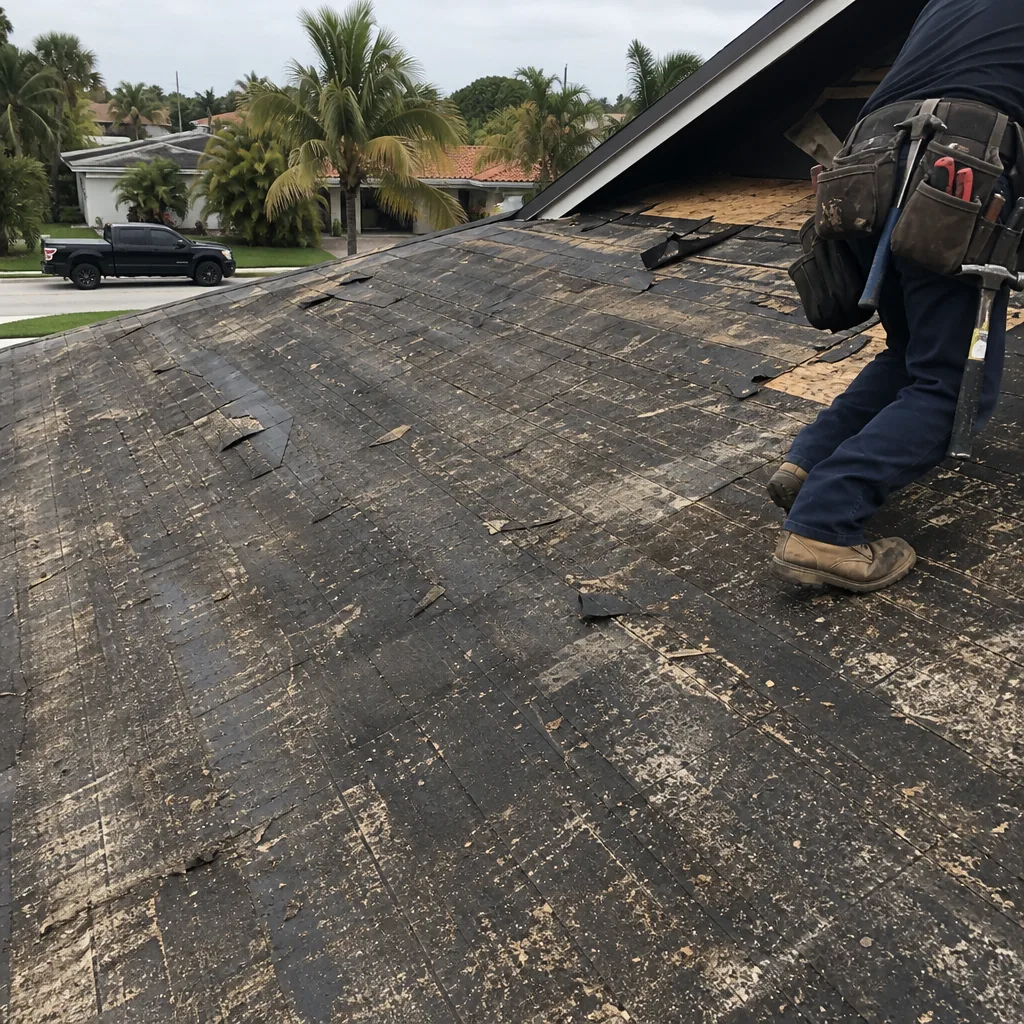 Before
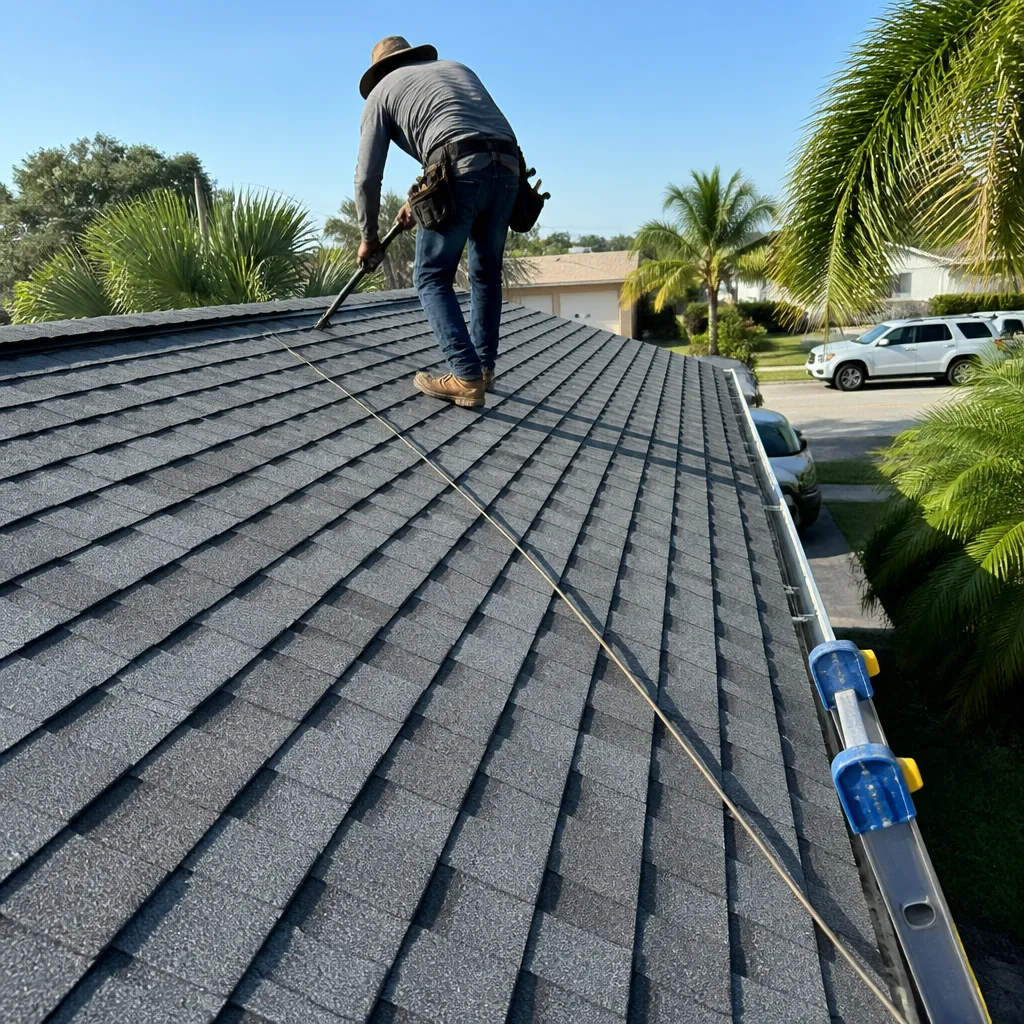
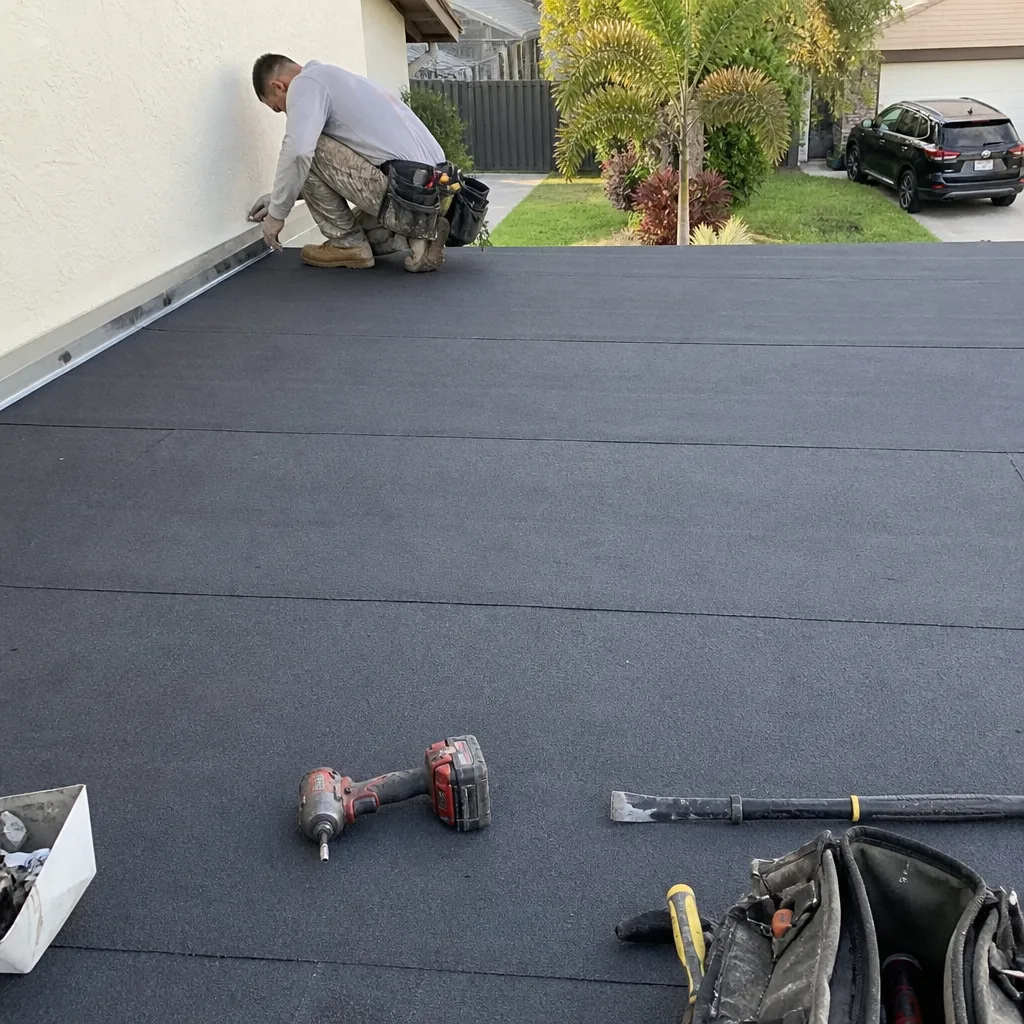 After
After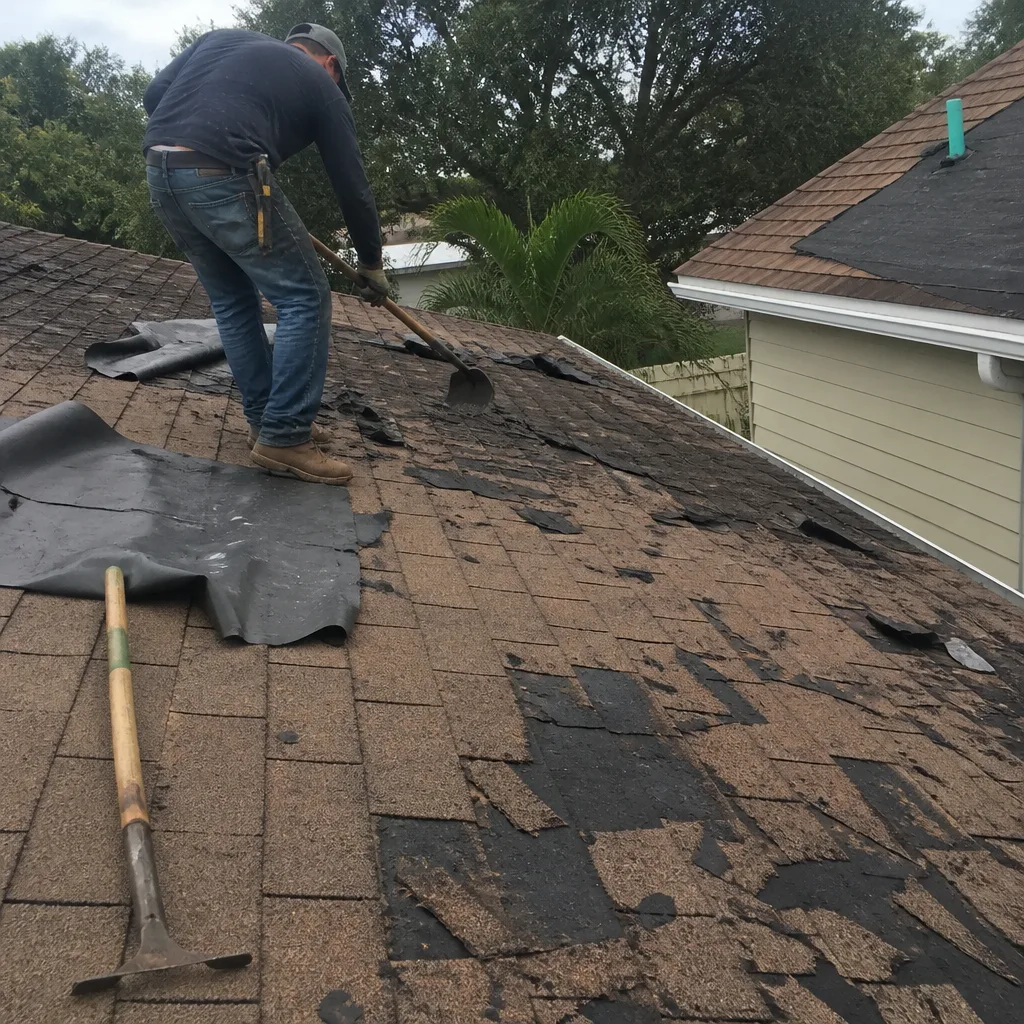 Before
 After
After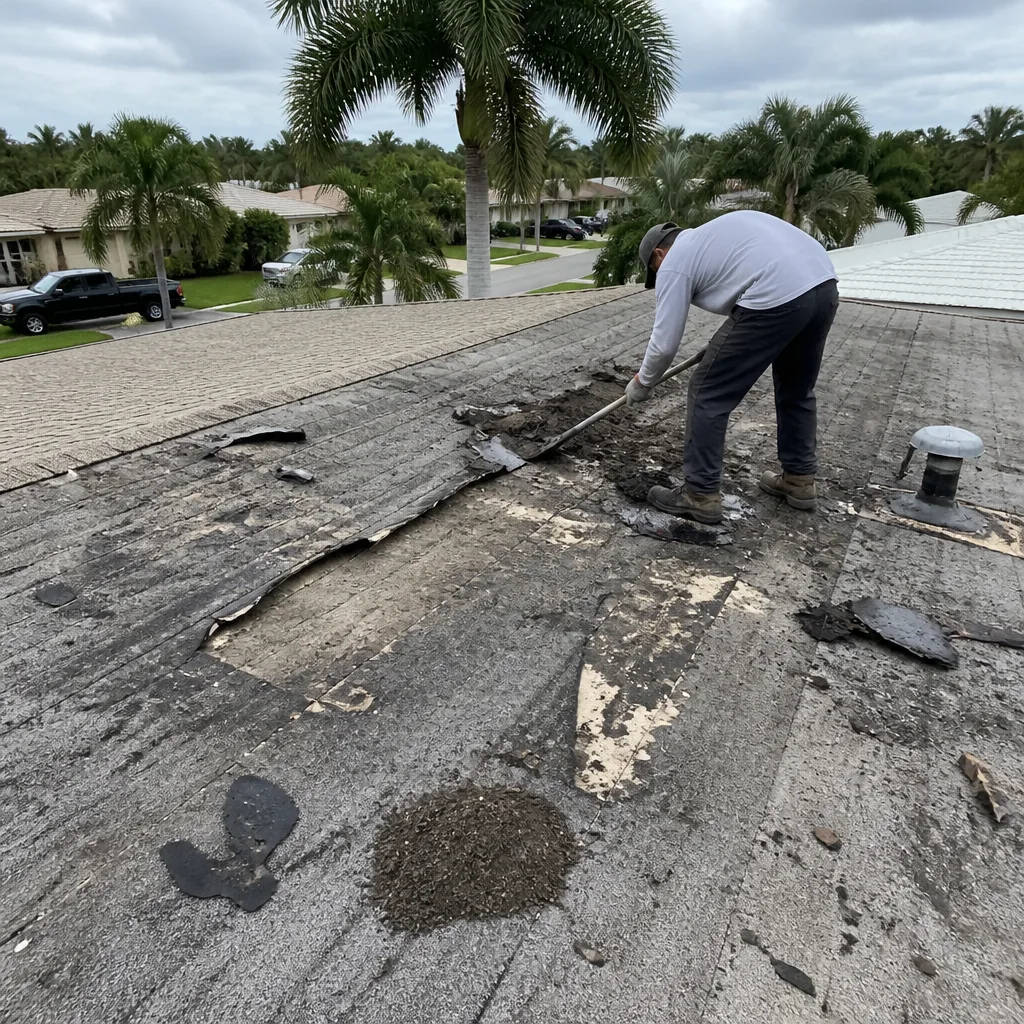 Before
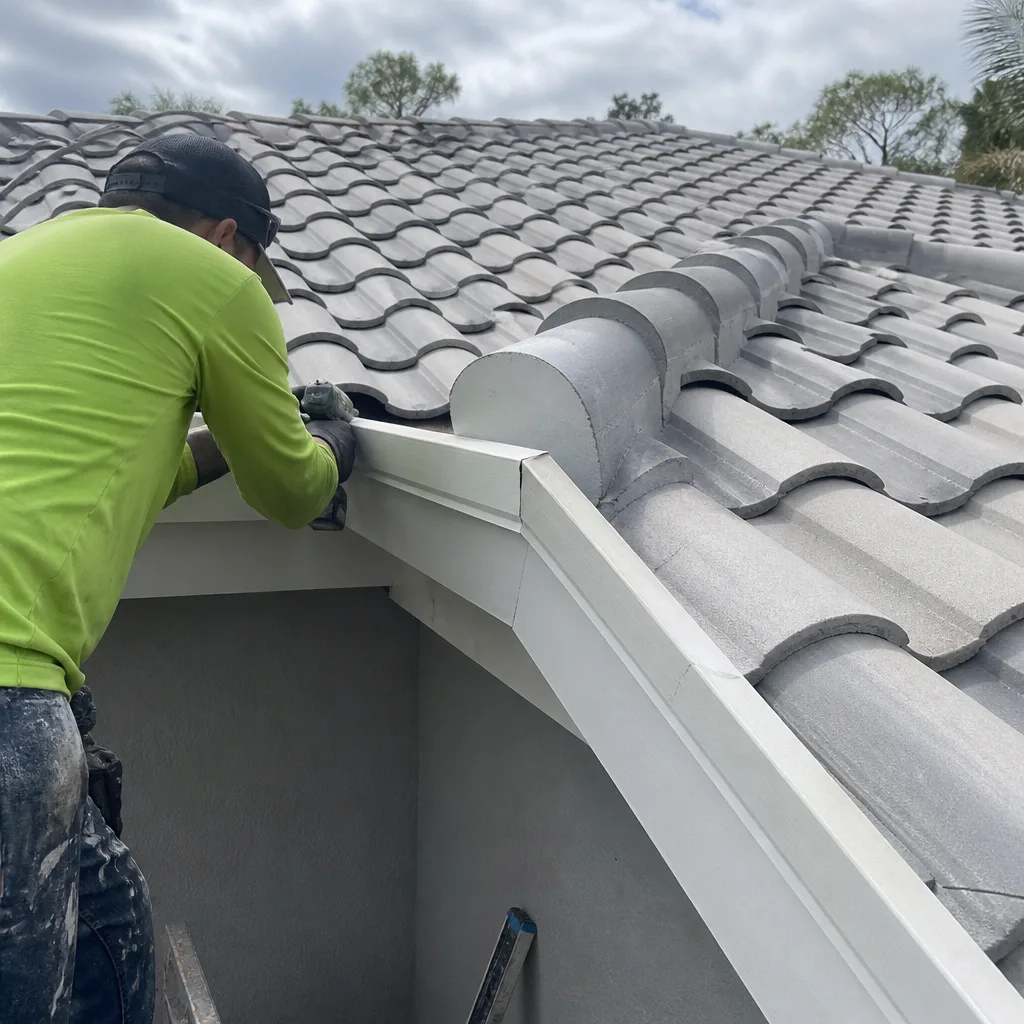 After
After