
Last updated October 17, 2026
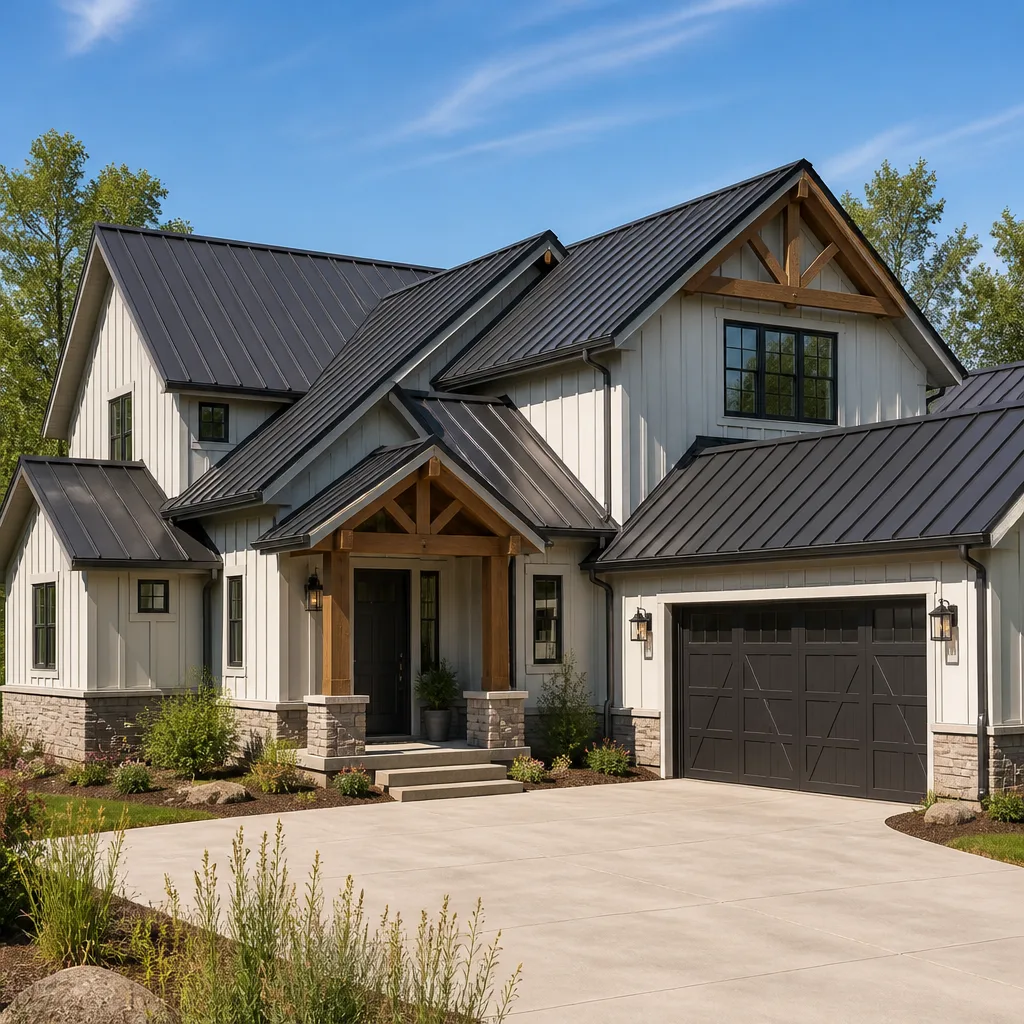 Metal roofing
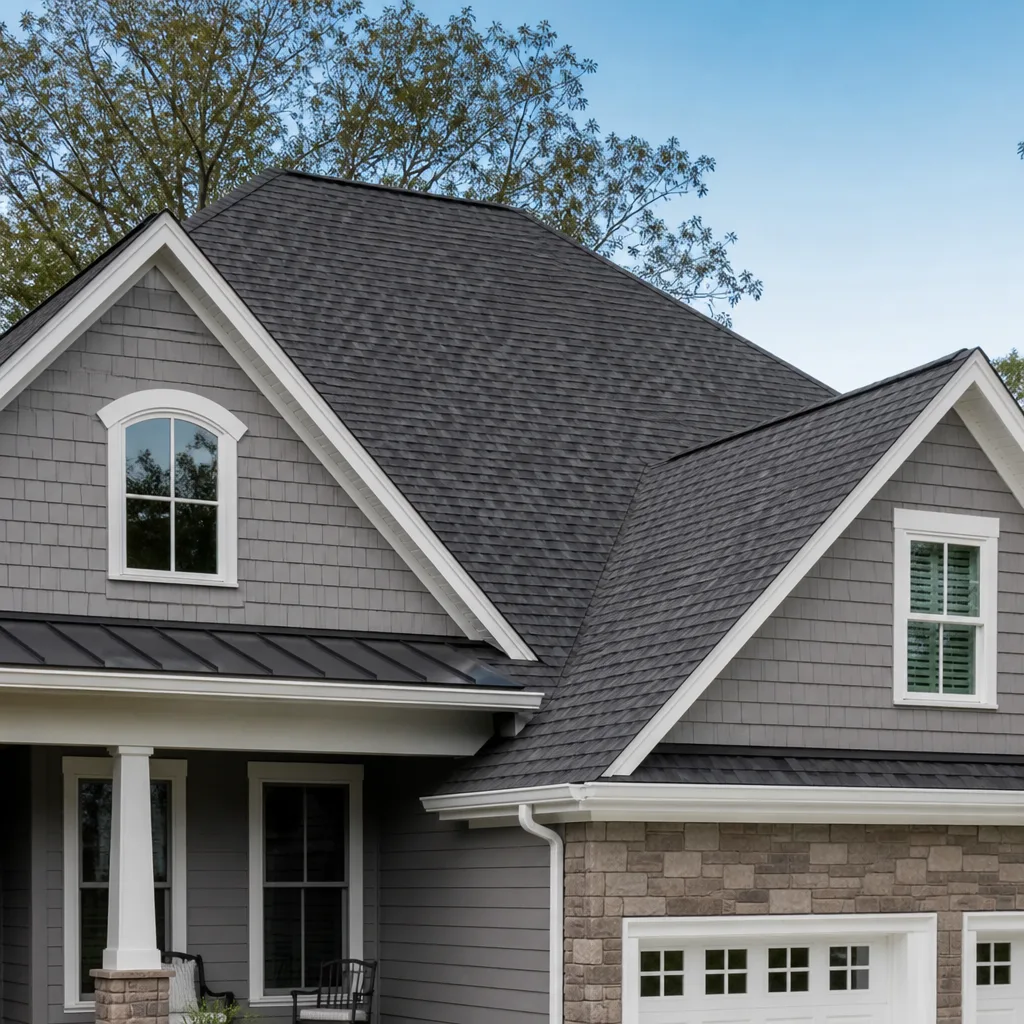 Architectural shingles
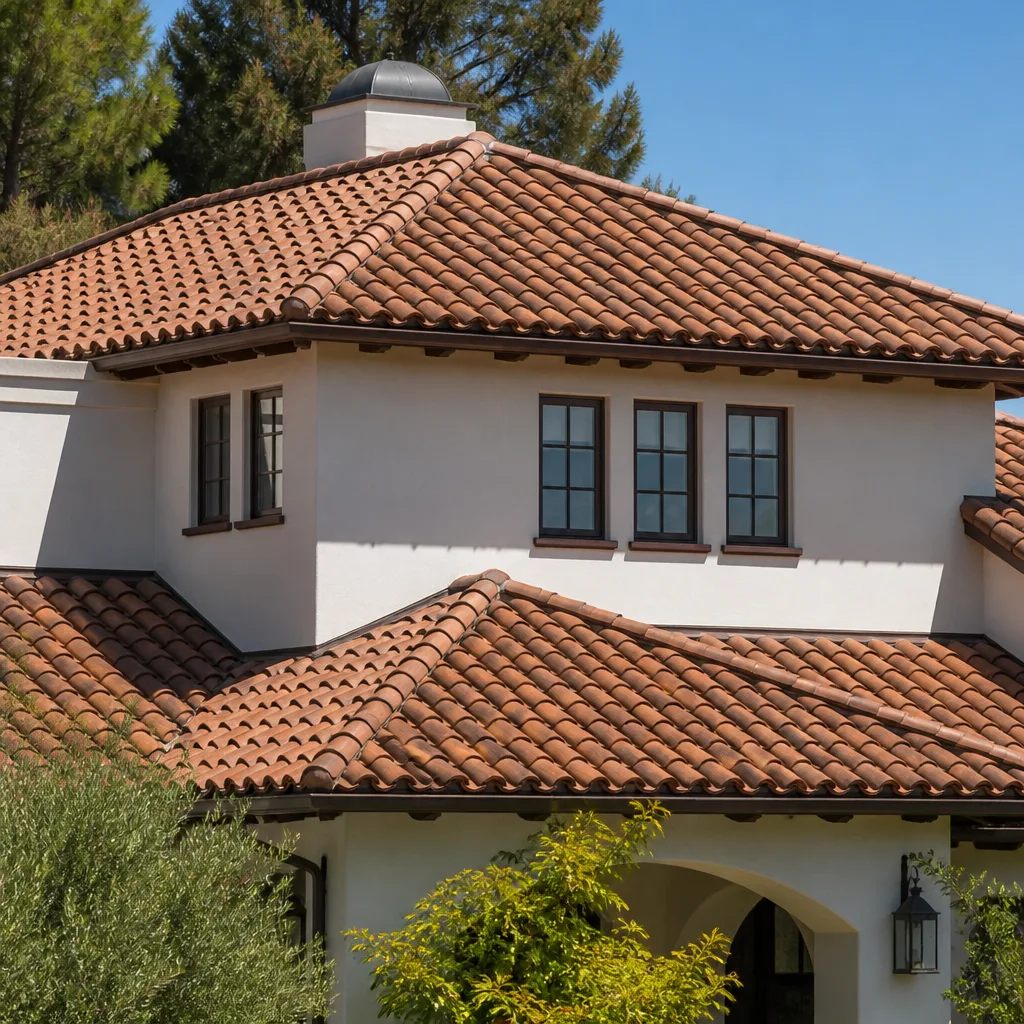 Tile roofing
 GAF
GAF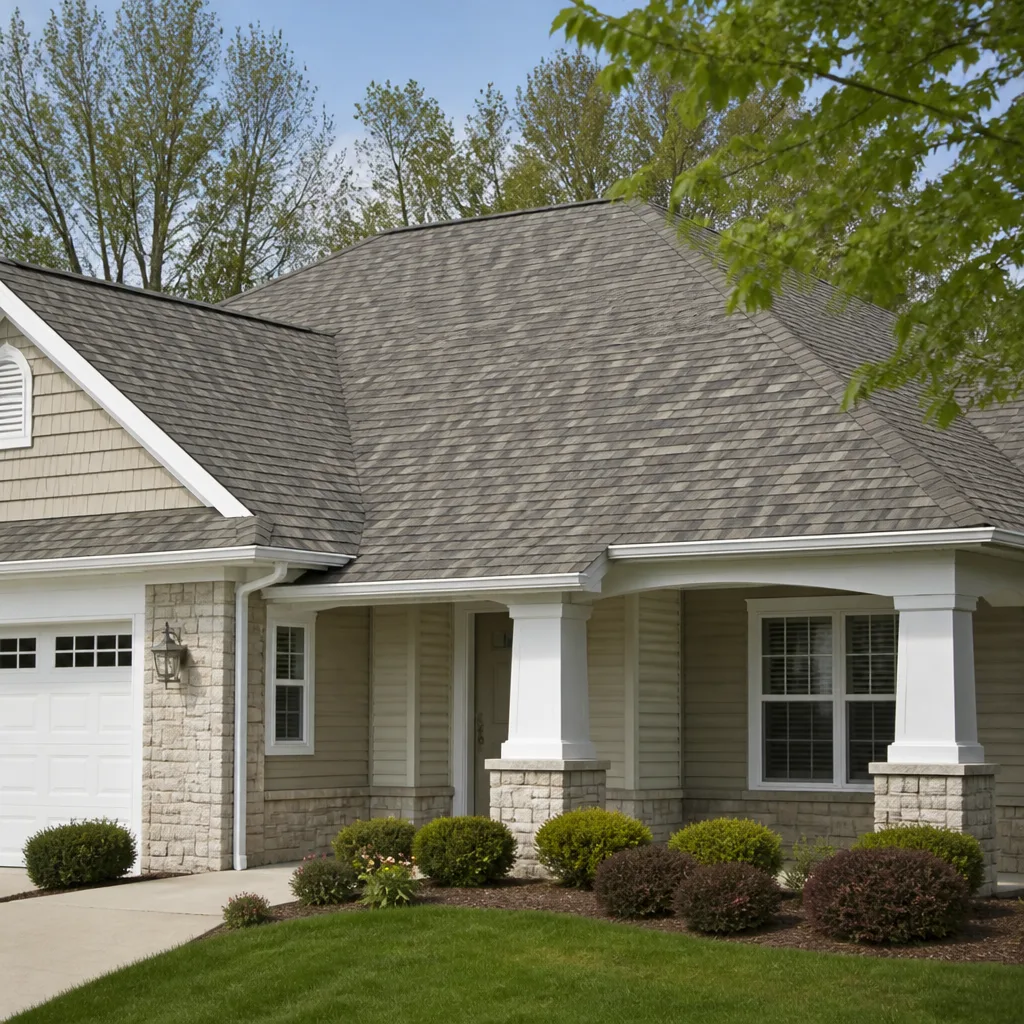 Owens Corning
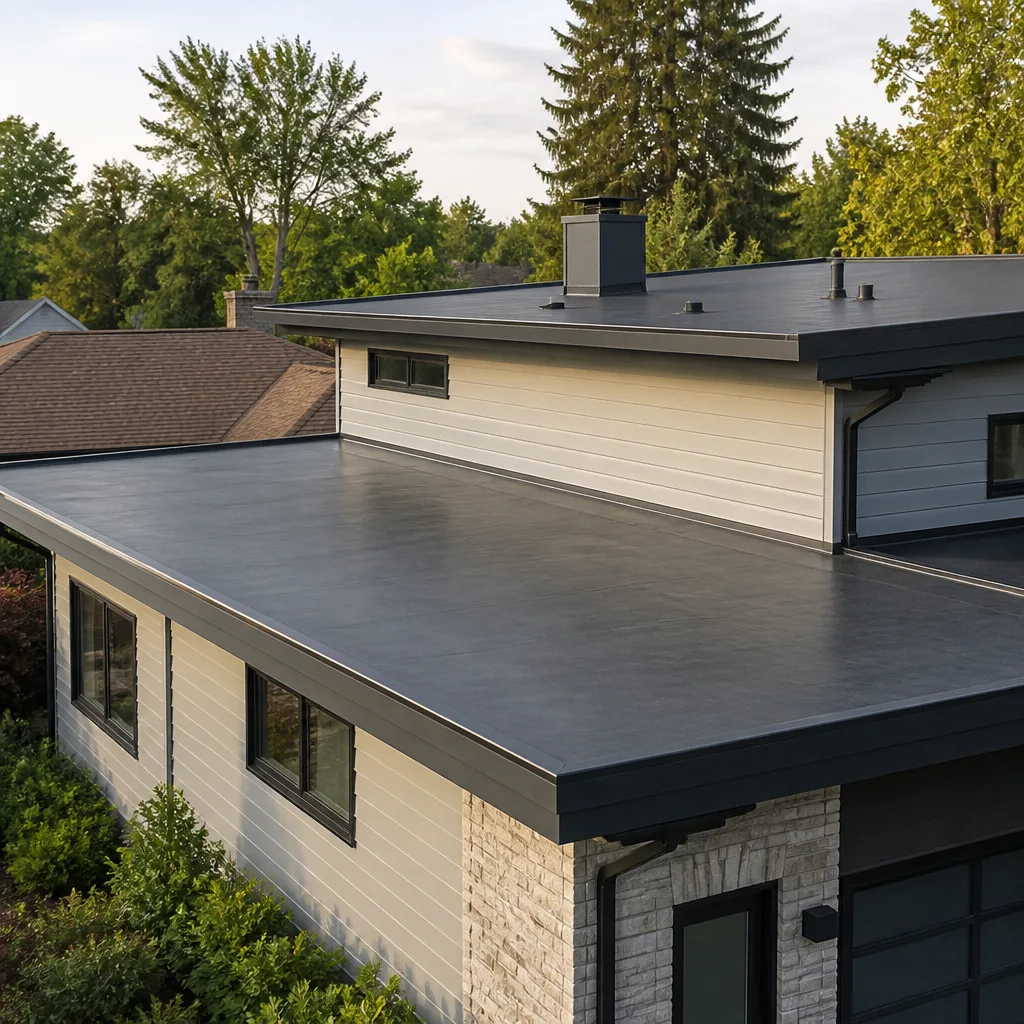 Flat & low-slope
Free roof inspection with deck photos before we talk money - GAF and Owens Corning certified installation
DIY vs Professional Roofing: The Fort Lauderdale Homeowner’s Decision Guide
Here’s the counterintuitive truth most Fort Lauderdale homeowners don’t learn until it’s too late: you can patch your own roof flawlessly, use the right materials, do everything by the book, and still trigger a homeowner’s insurance clause that lets your carrier deny a future claim. Not because the work was bad. Because it was unpermitted, undocumented, or done outside the narrow window Florida law actually allows. This guide walks through the real legal, insurance, and financial math of doing your own roof work in Fort Lauderdale, and it does so without talking down to anyone trying to save a few thousand dollars. For a full roofing cost breakdown for Fort Lauderdale homeowners, see our dedicated reference. By the end, you’ll know exactly which repairs are genuinely safe to attempt yourself, which ones you should never touch, and how to protect a claim on your biggest asset.
Styles & brands we work with
Quick Answer
For most Fort Lauderdale homeowners, hiring a professional roofing contractor is the financially safer choice because Florida statute limits which roofing tasks you can legally perform on your own primary residence, and insurance carriers scrutinize unpermitted work when you file a claim. DIY is genuinely reasonable for three narrow repairs: replacing a shingle or two, clearing gutters, and resealing a small flashing gap on a single-story roof. Anything involving structural decking, full underlayment replacement, a roof measurement over 100 square feet, or a roof section on a second story crosses into permit territory and becomes a reason your carrier can deny a claim.
Table of Contents
- What Florida Law Actually Says About DIY Roofing
- How DIY Roof Work Affects Your Insurance Policy
- The Three Repairs Where DIY Is Reasonable in Fort Lauderdale
- The Four Scenarios Where Professional Work Is Financially Mandatory
- Real Cost Breakdown: DIY vs Professional in Fort Lauderdale
- How to Verify a Professional’s Work After the Job Is Done
- Common Mistakes to Avoid
- When to Call a Professional
- Frequently Asked Questions
- The Bottom Line
What Florida Law Actually Says About DIY Roofing
Florida is stricter than most states on this, and the rule isn’t a rumor you should half-remember from a neighborhood Facebook group. Under Florida Statute 489.103(7), a homeowner can perform roofing work on their own primary residence without a contractor’s license, but only if the residence is a single-family or duplex they personally occupy. The exemption does not extend to a rental property you own, a vacation home, an in-law suite with a separate address, or any structure where you don’t actually live. If the property is titled to an LLC or a trust, the exemption generally evaporates because the legal owner is no longer a natural person.
Broward County adds another layer: the Florida Building Code, which Broward enforces, requires a permit for any roof work that involves structural alteration or affects more than 100 square feet of the roof surface. Replacing a single asphalt shingle is not structural. Replacing a 4-foot by 4-foot section of decking is. The threshold catches more homeowners than they expect. A modest patch around a vent pipe might stay under 100 square feet, but a “small” section of rotted sheathing on a Fort Lauderdale home exposed to decades of salt air and afternoon thunderstorms rarely stays small once you open it up. Most DIY projects that start with a shingle replacement end with a surprised homeowner staring at decking that needs a permit and a licensed contractor.
We’ve had Fort Lauderdale homeowners tell us they thought the permit was optional paperwork, not a legal requirement that follows the property. The permit is a record that the work was inspected against current wind-load standards, which matter enormously in a city that sits in a hurricane-prone wind zone. An unpermitted roof repair done five years before you sell becomes a disclosure item on your seller’s property disclosure. The buyer’s title company may flag it. The buyer’s insurance company may refuse coverage until it’s corrected. That’s an expensive problem created by a $40 savings.
How DIY Roof Work Affects Your Insurance Policy
Florida insurance carriers, including Citizens Property Insurance and private carriers writing policies in Broward County, have spent the last decade tightening maintenance-exclusion language. A standard HO-3 policy in Fort Lauderdale now commonly includes a clause stating the carrier may deny a claim if the loss was caused or worsened by a maintenance failure that the homeowner should have reasonably addressed. That’s broad language, and after a wind event, an adjuster looking at a patched section of roof will ask two questions: who did this, and is there a permit on file.
If the answer is “I did it myself” and there’s no permit, the carrier doesn’t need to prove the work was defective. They need only argue that the unpermitted alteration creates a coverage question under the policy’s concealment or misrepresentation clause. You didn’t have to lie on your application for this to become a problem. In many Fort Lauderdale claims we’ve seen the aftermath of, the carrier denied the roof portion of the claim on the basis that an unpermitted repair altered the risk profile of the property. The homeowner then had to hire a licensed contractor to correct the work, obtain a permit retroactively, and re-submit the claim. Some won. Some didn’t. All of them spent months in limbo.
There’s a second, less obvious insurance angle: material warranties. GAF, CertainTeed, and Owens Corning all publish installation standards that are conditions of warranty coverage. Those standards require installation by a licensed contractor and, in most cases, a permit on record. If you install a GAF shingle yourself and it fails, the warranty doesn’t help you. If a storm damages that shingle and your insurance carrier learns the section was homeowner-installed, the carrier may reduce the settlement to account for the warranty value you can’t claim. You’ve lost twice: the warranty and the full insurance payout.
The practical takeaway: if the repair is big enough that you would ever want an insurance claim or a warranty to cover it, it’s already too big for DIY. The three repairs in the next section are the narrow exceptions.
The Three Repairs Where DIY Is Reasonable in Fort Lauderdale
We’re not going to tell you that every roof task requires a professional. That isn’t true, and it isn’t how we’d advise a neighbor. Our Roofing Company Maintenance Checklist for Fort Lauderdale Homeowners covers the full range of what to watch for. In Fort Lauderdale’s specific climate and code environment, three repairs are genuinely reasonable for a careful homeowner to attempt. The conditions matter more than the task itself.
1. Replacing one or two missing asphalt shingles
This is the classic DIY entry point. A shingle lifted by a late-afternoon thunderstorm, a single tab torn by debris. The repair involves lifting tabs, removing four roofing nails, sliding in a new shingle, and re-nailing. If you can reach the damaged shingle from a ladder on a single-story home, you can do this. The conditions: the shingle must be within arm’s reach of a properly secured extension ladder, the decking underneath must be dry and solid, and you must be replacing like-for-like material. A single shingle is not structural. It doesn’t require a permit. It doesn’t void your whole insurance policy. In our experience, this is the repair most Fort Lauderdale homeowners can and should handle at least once, especially between May and October when afternoon storms pull shingles loose with regularity.
2. Clearing gutters and downspouts
Blocked gutters are a leading cause of roof edge damage in Fort Lauderdale, where live oaks and sea grapes drop leaves year-round. Clearing them is roof maintenance you can do safely from a ladder, and it’s money well spent in the form of your own Saturday morning. The conditions: use a standoff stabilizer on the ladder so you’re not leaning it against the gutter itself, wear gloves, and work with a partner holding the ladder base. Never walk on a roof to clear gutters. Roof surfaces in Fort Lauderdale develop a slick algae film within months of installation, and a wet shingle is as slick as polished concrete. If the gutters are two stories up, hire this out. The fall risk on a two-story South Florida home is not worth the savings.
3. Resealing a small flashing gap on a single-story roof
Flashing is the metal strip that seals the seams around chimneys, vent pipes, and roof valleys. Over time, the sealant between flashing and shingle can separate, especially in Fort Lauderdale’s heat-and-humidity cycles that expand and contract metal daily. A hairline gap of an inch or two can be resealed with a roofing-grade polyurethane sealant. The conditions: the gap must be small, the flashing itself must be intact (not rusted through or torn), the area must be dry, and you must be on a single-story roof edge, not the peak. If the flashing is corroded, warped, or pulling away from the roof, that’s a replacement, not a reseal, and it’s a professional job. A roof leak around flashing inside a Fort Lauderdale attic after a heavy rain is usually a sign the flashing has failed, not just the sealant, and sealant won’t fix it.
One safety note that applies to all three: this is a genuinely dangerous component of the work. A fall from even a single-story roof can be life-altering or fatal, and Florida leads the nation in ladder-related emergency room visits. We say this not to scare you off reasonable maintenance, but because a real professional will always flag the danger before the savings.
The Four Scenarios Where Professional Work Is Financially Mandatory
There’s a difference between work you can do and work you should do. In Fort Lauderdale, four scenarios push past preference and into financial necessity. Trying to DIY any of these often costs more than hiring a professional from the start.
1. Insurance documentation after a storm
If you plan to file a claim for roof damage after a windstorm or hurricane, you need documentation that will survive an adjuster’s scrutiny. That means photos, a written damage report, a permit on file where required, and an installation trail your carrier can verify. A licensed contractor produces all of it. A homeowner with a phone camera produces a dispute. Fort Lauderdale sits in a high-risk wind zone, and carriers have become rigorous about post-storm claims. The claim is the most valuable financial asset in your roofing decision, and it’s worth protecting with professional documentation.
2. Any work requiring a permit
We covered the 100-square-foot threshold above. Here’s the blunt version: if the job requires a permit, you cannot pull that permit yourself for structural work. Broward County issues homeowner permits for certain trades, but structural roof work isn’t one of them. This includes decking replacement, truss repair, any alteration beyond 100 square feet, and any complete roof section replacement. Unpermitted work becomes a lien problem at sale, an insurance problem at claim, and a code problem if a neighbor or inspector notices. The permit fee for a Fort Lauderdale roof repair often runs $150 – $500 depending on scope, and the inspection it funds is the only proof you have that the work meets wind-load standards.
3. Preserving manufacturer warranty coverage
GAF, CertainTeed, Owens Corning, and IKO all write installation standards into their warranties, and those standards require a licensed contractor. We stock materials from seven manufacturers at Tilehurst Roofing, including all four of those names, precisely because the right product for a Fort Lauderdale barrel tile roof might not be the right product for a flat-roofed mid-century in Imperial Point. If you install a warranty-covered product yourself, the warranty is void at the moment the first nail goes in. You’re not saving the installer’s markup; you’re just buying the material without the protection the material was priced to include. For a full reroof, the warranty difference alone is worth tens of thousands of dollars over the life of the roof.
4. Resale disclosure obligations
Florida’s seller disclosure rules, combined with Fort Lauderdale’s active home inspection market, mean DIY roof work becomes a negotiation point when you sell. Buyers in this market routinely ask for permits on any roof work done in the last 15 years. If you don’t have them, the buyer may ask for a repair credit, their lender may flag the home, or their insurance company may decline to bind coverage until a licensed contractor certifies the roof. We’ve seen Fort Lauderdale sellers lose $10,000 – $25,000 at closing over unpermitted roof work, which is far more than the professional repair would have cost. The disclosure obligation doesn’t go away because the work was done years ago; it follows the property.
Real Cost Breakdown: DIY vs Professional in Fort Lauderdale
Let’s put real dollars on this, because “it depends” is a lazy answer and Fort Lauderdale homeowners deserve a range before they pick up the phone.
Asphalt shingle repair (1 – 2 shingles)
- DIY materials: $15 – $40 for a bundle or matching shingles, plus $10 for sealant and nails.
- Professional repair: $250 – $450, including the trip, materials, and the written guarantee on the repair.
- Fort Lauderdale note: most pros in Broward County carry asphalt shingle matching stock. Color match is more reliable with a pro who’s been working the same neighborhoods for years.
Small flashing repair (sealant or replacement)
- DIY materials: $12 – $50 depending on whether it’s sealant or a replacement flashing piece.
- Professional repair: $300 – $600, depending on accessibility and whether the flashing must be fabricated.
- The hidden cost: if a DIY sealant job fails inside 90 days, the water intrusion in a Fort Lauderdale attic during rainy season can cost $2,000 – $8,000 in drywall, insulation, and mold remediation.
Full roof replacement (1,800 sq ft single-story)
- DIY materials only: $7,000 – $12,000 for shingles, underlayment, drip edge, ridge cap, fasteners, and disposal, depending on manufacturer and product line.
- Professional replacement in Fort Lauderdale: $14,000 – $26,000 including labor, permits, inspections, warranty registration, and haul-off.
- The math homeowners miss: a full replacement is not a materials-plus-weekend job. It’s a tear-off, decking inspection, underlayment replacement, and wind-mitigation paperwork your insurance company will ask for. The permit and inspection alone are worth the professional markup, and the wind-mitigation certificate a licensed contractor files can reduce your insurance premium.
We tell Fort Lauderdale homeowners this plainly: on a full replacement, you should not be comparing DIY materials to professional labor as if they’re the same project. They aren’t. You’re comparing an unprotected roof to a documented, permitted, warrantied, wind-rated roof, and those are different assets.
How to Verify a Professional’s Work After the Job Is Done
Hiring a professional doesn’t mean trusting blindly, and Fort Lauderdale has enough roofing companies that you should verify work even after you’ve paid. For more guides & resources on vetting contractors, browse our blog. This is the section most guides skip. Here’s the seven-point check we recommend, and it works for any contractor, including us.
- Pull the permit yourself. Ask for the permit number before the crew starts, then verify it on Broward County’s online permit portal. If the contractor won’t give you the number, that’s the end of the conversation.
- Check the license. Florida requires roofing contractors to hold a state license from the Department of Business and Professional Regulation. The license number should appear on the estimate. Verify it’s active and has no recent disciplinary actions.
- Verify insurance certificates. Ask for a certificate of insurance with your name listed as the certificate holder. Confirm general liability and workers’ compensation coverage are active for the duration of the job.
- Inspect the flashing and drip edge in person. After the job, ask to see photos of the flashing, drip edge (the metal strip that keeps water from running back under the shingles), and underlayment before the shingles went on. A professional takes these photos as standard practice.
- Read the written guarantee before the crew leaves. Our repair crews leave a written guarantee on every repair before they pack up. You should never wait for a guarantee to be mailed later.
- Check for a wind-mitigation report. On a full replacement in Fort Lauderdale, a proper contractor files a wind-mitigation inspection that documents roof-to-wall connections, secondary water resistance, and the roof shape. Your insurance company uses this to set your premium. If you don’t have one, ask why.
- Look at the edges. Walk the perimeter after the job and look for loose shingles, exposed fasteners, or wavy lines. A straight edge line is a proxy for careful work. It takes two minutes and catches most sloppy installations.
This verification list is the habit of a homeowner who’s been burned before, and in Fort Lauderdale, where roof work is a recurring fact of life, it’s the difference between a repair that holds for 20 years and one that fails in the first heavy rainy season.
Common Mistakes to Avoid
- Assuming the homeowner exemption covers rental properties. Florida’s DIY exemption is strictly for your own primary residence. A roof repair on a Fort Lauderdale duplex you rent out requires a licensed contractor, period.
- Using silicone caulk instead of roofing-grade sealant. Household silicone breaks down within months under Fort Lauderdale UV exposure. Use a polyurethane roofing sealant rated for Florida sun.
- Walking on a tile roof without knowing where to step. Barrel tile, common across Fort Lauderdale neighborhoods like Rio Vista and Victoria Park, cracks easily under foot traffic. You can turn a small repair into a full tile replacement walking to the wrong spot.
- Ignoring the drip edge during a DIY repair. The drip edge is the metal strip along the roof perimeter that directs water into the gutter. If your repair disturbs it, you’ve created a slow leak that won’t show up for months.
- Skipping a wind-mitigation inspection after a reroof. In Fort Lauderdale, this inspection is the whole point of a new roof for your insurance premium. A homeowner who skips it leaves real premium savings on the table.
- Putting off a leak during dry season. Fort Lauderdale’s dry winter months create a false sense of safety. A leak that’s quiet in February becomes a mold problem in June. Address roof issues in any month, not just when it’s raining.
- Hiring an out-of-town crew with no Broward County pull. Permitting in Broward moves differently than in Miami-Dade or Palm Beach. A roofing company that doesn’t regularly work the Fort Lauderdale permitting office will cost you time you can’t recover.
When to Call a Professional
Call a professional if the repair requires a permit, involves structural decking, sits on a two-story area, involves tile or flat-roof membrane, or needs to be documented for insurance. Also call if the repair is anywhere near a roof edge, where accidents happen most often. Also call if you’ve already tried a DIY fix and it failed inside a year; that’s a signal the underlying problem is bigger than the visible one. Tilehurst Roofing Fort Lauderdale offers free estimates in Fort Lauderdale, and the written price is in your hands before any work starts. Call (754) 732-9325 to talk through what’s on your roof and whether it’s a reasonable DIY repair or a professional job.
Frequently Asked Questions
A single asphalt shingle replacement costs $15 – $40 in materials at a Fort Lauderdale building supply store, while a small flashing reseal runs $12 – $50. But the real cost comparison includes what you’re giving up: no permit, no inspection record, no workmanship warranty, and a potential insurance coverage question. Professional asphalt shingle repairs in Fort Lauderdale typically run $250 – $450, and that price includes a written guarantee. Call (754) 732-9325 for an exact quote on your repair; estimates are free.
Florida Statute 489.103(7) allows a homeowner to perform roofing work on their own primary single-family or duplex residence without a contractor’s license, but Broward County code still requires a permit for structural alterations or work over 100 square feet. A full reroof is well past that threshold, and the permit can’t be pulled by a homeowner for structural roof work in practical terms.
DIY roof work doesn’t automatically void a policy, but unpermitted or undocumented work gives the carrier a coverage-question basis after a claim. Fort Lauderdale adjusters specifically look for unpermitted patches and homeowner-installed sections when assessing wind or storm damage claims, and a maintenance-exclusion clause can reduce or deny the payout. If the repair is big enough to claim, it’s big enough to be professionally done.
Most single-trade roof repairs in Fort Lauderdale take between two and six hours of on-site work once the crew is scheduled and permitted. Full replacements typically run one to three days depending on roof complexity, square footage, and weather. The time drivers are the permit approval timeline in Broward County and material availability, which we handle in advance with our written price before any work starts.
Residential roof repair permits in Broward County typically run $150 – $500 depending on the scope and valuation of the work, and full reroof permits often exceed that. The permit fee is a fraction of what an unpermitted roof costs at sale or claim time.
Yes, and in fact you should insist on it. A wind-mitigation inspection documents roof-to-wall connections, roof deck attachment, roof shape, and secondary water resistance, and it’s the document your insurance carrier uses to set your premium after a new roof. A Fort Lauderdale homeowner who replaces their roof without this inspection is leaving real, recurring premium savings on the table.
The Bottom Line
Fort Lauderdale turns the DIY roofing question from a preference into a calculation. Florida law lets you do small work on your own primary residence, and you should feel confident handling a shingle or two, clearing gutters, and resealing a minor flashing gap. The rest of the roof, especially anything structural, permitted, two-story, or insurance-adjacent, belongs with a licensed professional who can document the work the way Broward County and your carrier expect. This guide isn’t a pitch to outsell a Saturday project; it’s a plain case for protecting the largest asset most Fort Lauderdale homeowners will ever own. Tilehurst Roofing Fort Lauderdale home resources cover Roofing Company in Fort Lauderdale services, Roof Repair in Fort Lauderdale guidance, and Roof Replacement in Fort Lauderdale options in greater detail.
Call (754) 732-9325 for a free estimate. A written price is in your hands before any work starts, and every repair comes with a written guarantee, because a repair that fails inside the guarantee period should cost you nothing to correct.
Written by Greg Holloway, Owner at Tilehurst Roofing Fort Lauderdale, serving Fort Lauderdale since 2000.
See the difference
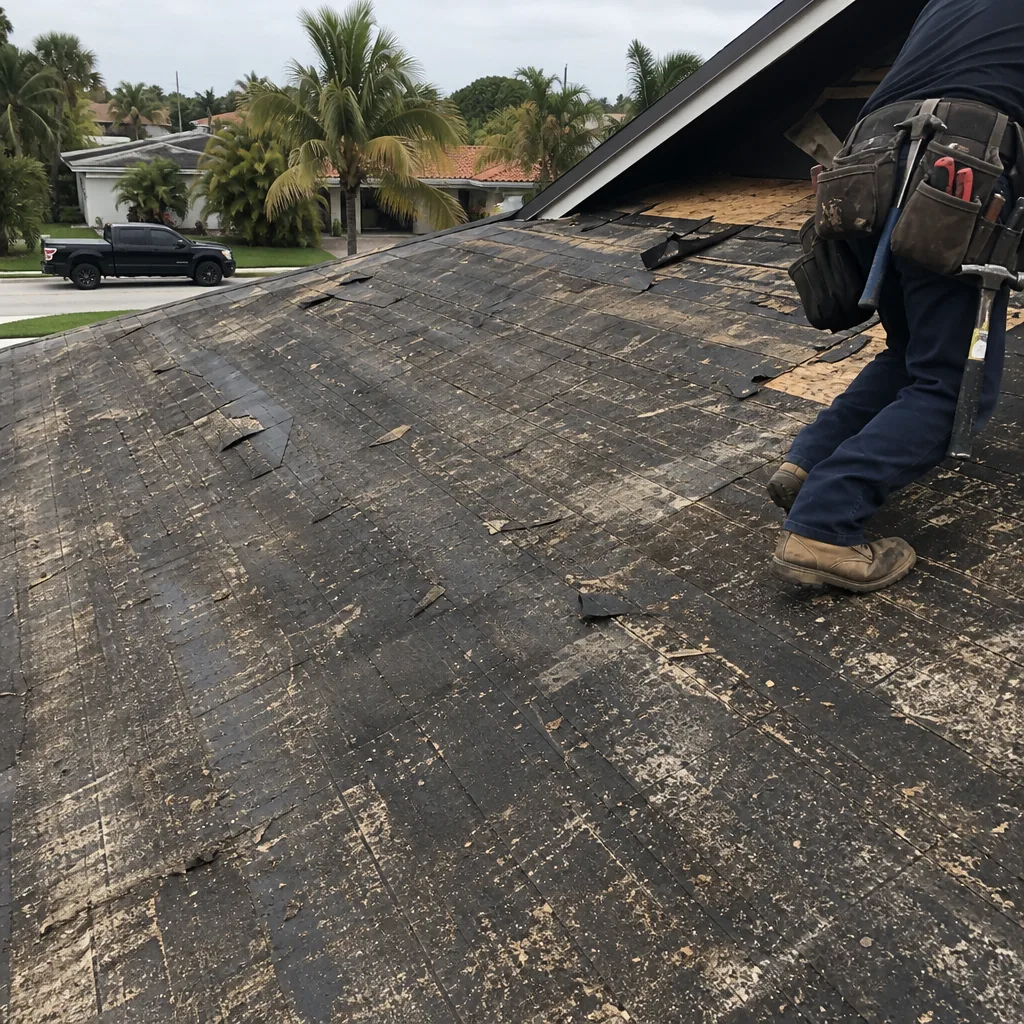 Before
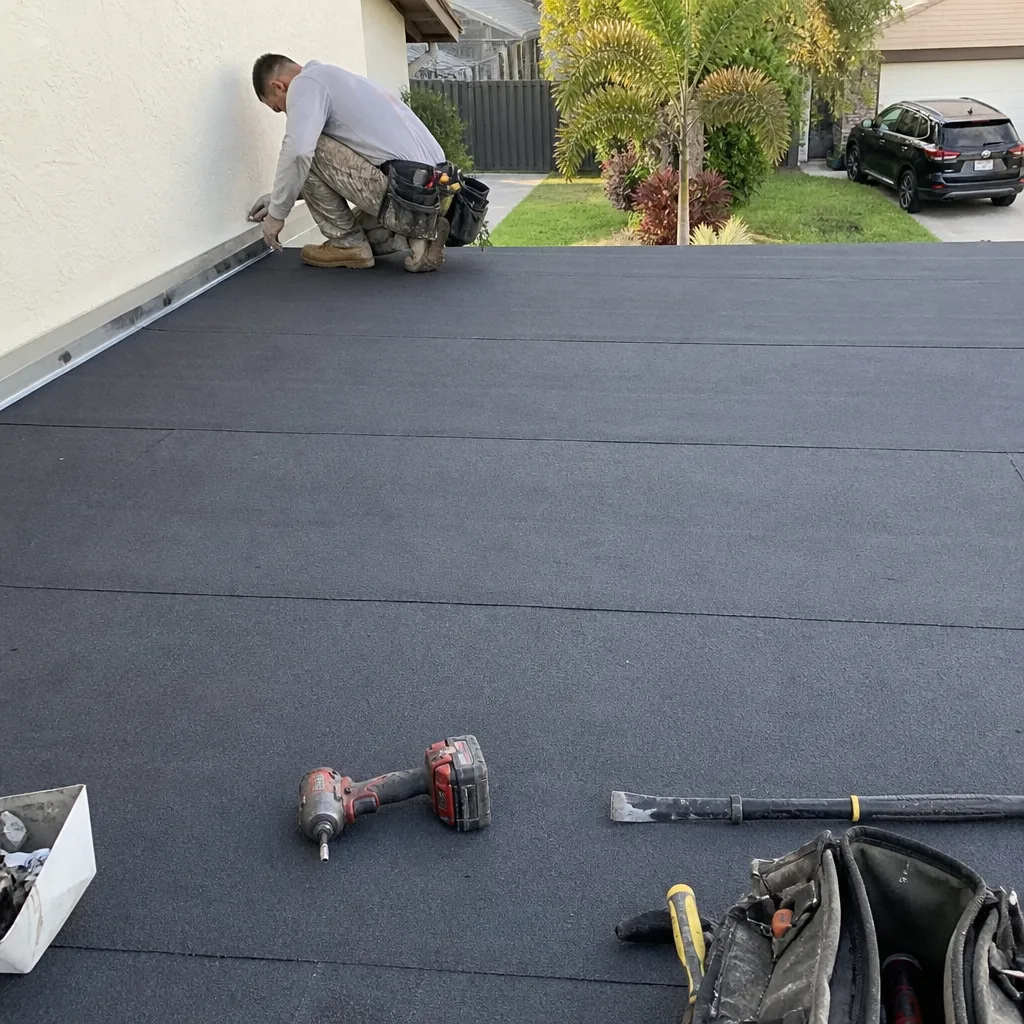 After
After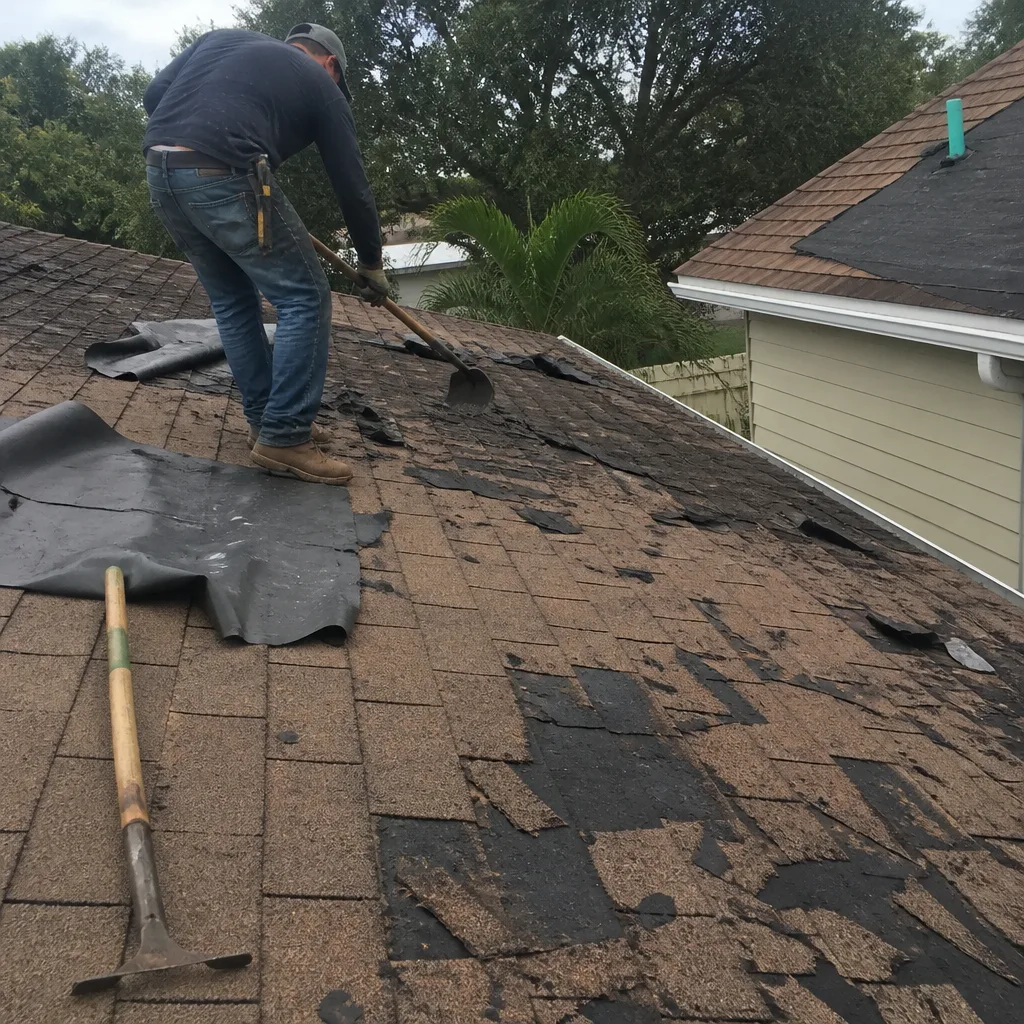 Before
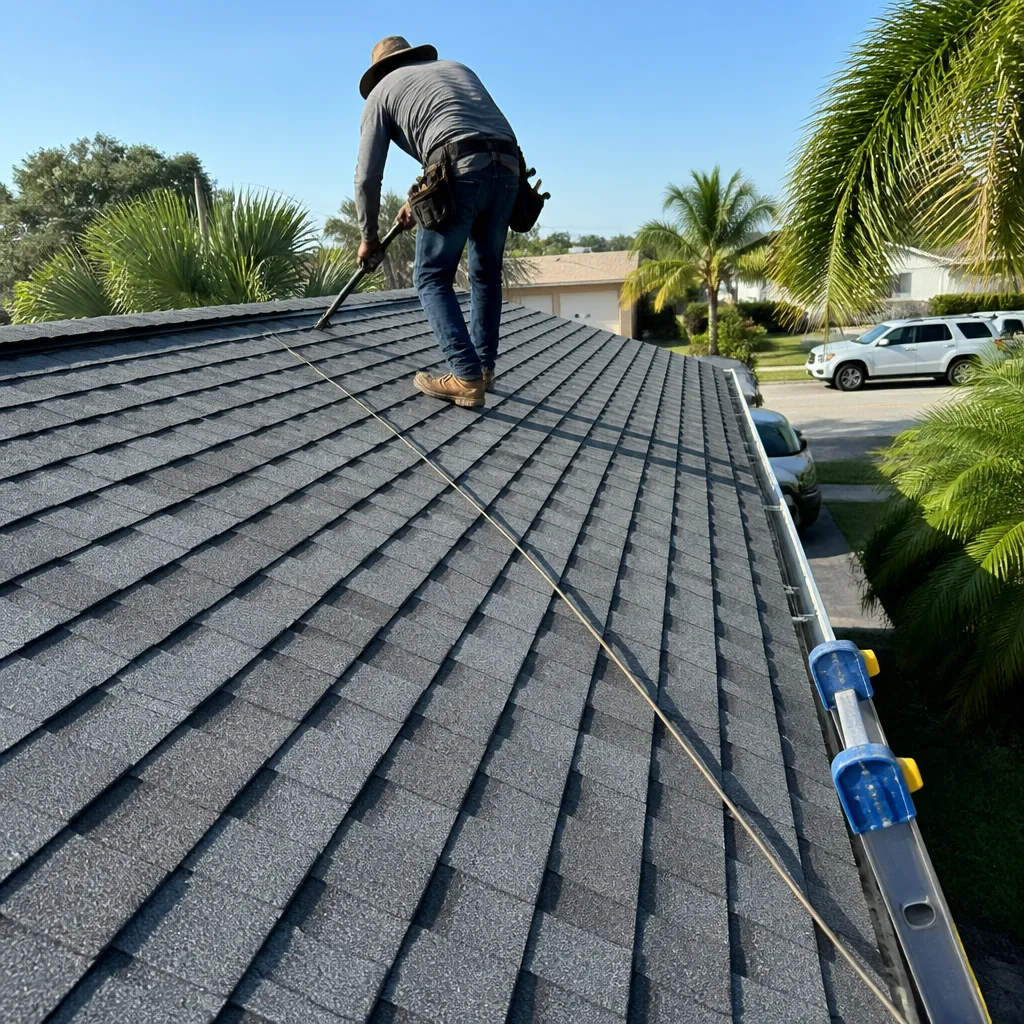 After
After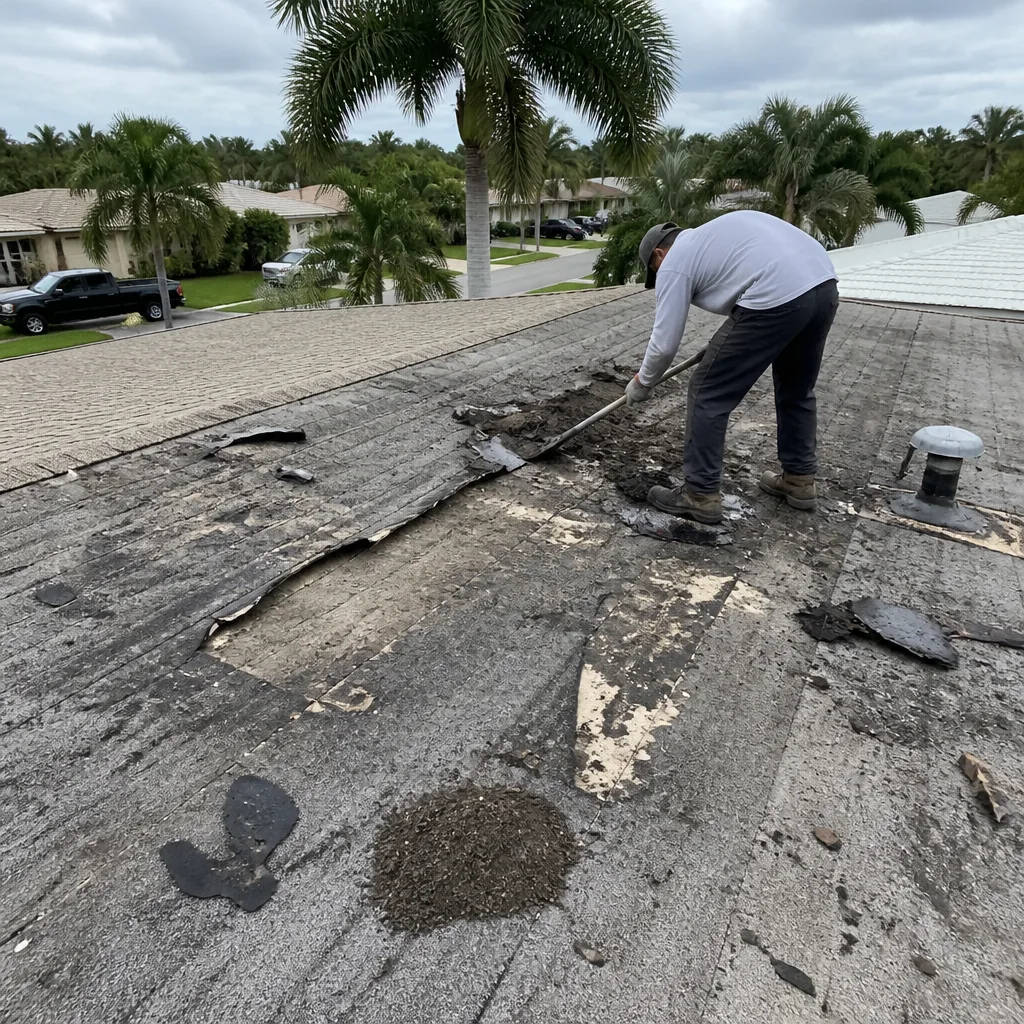 Before
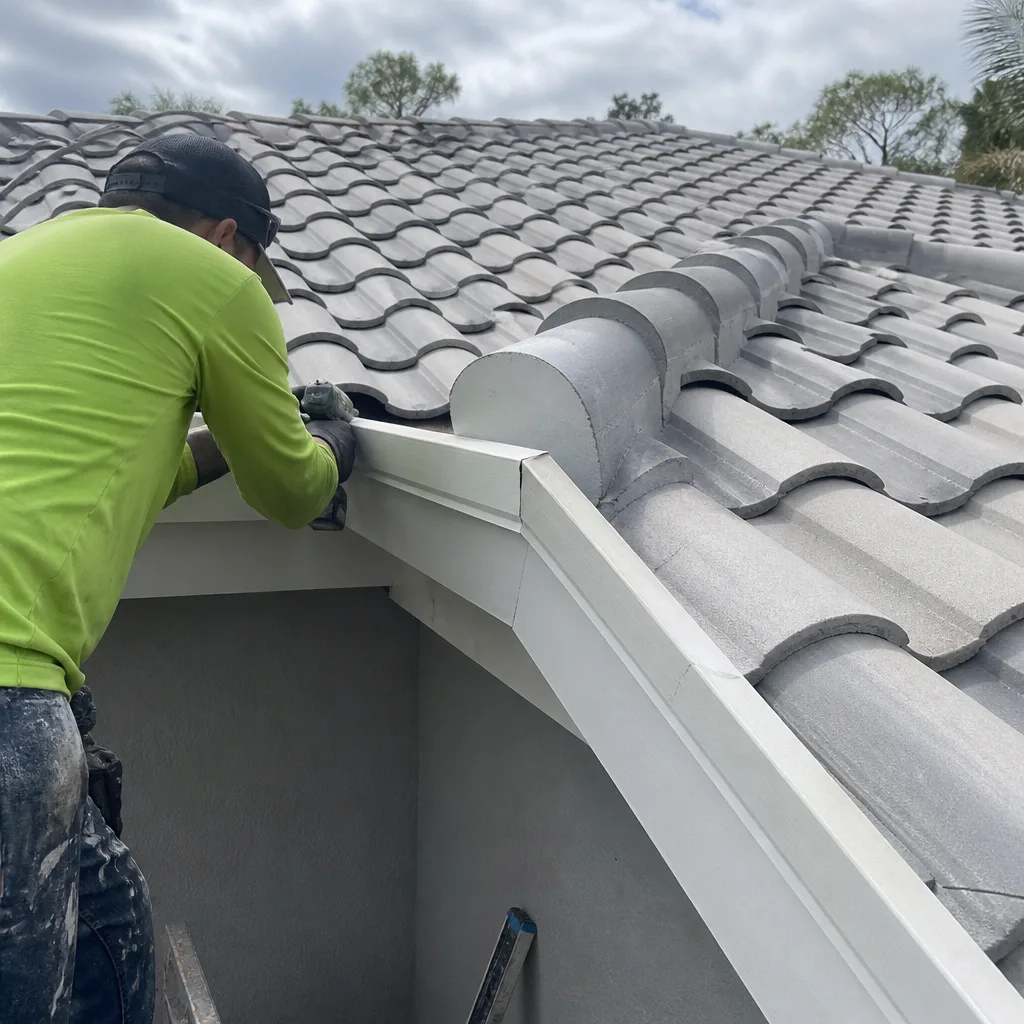 After
After